
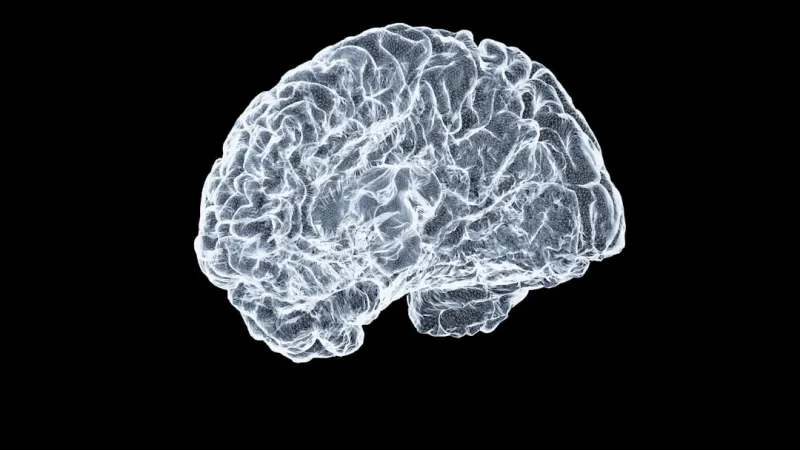
Why Brain Health Deserves a Holistic Overhaul
For years I chased quick fixes—nootropics, gimmicky apps, and flashy brain‑training games—only to find my mental fog persisting like a stubborn morning mist. The turning point arrived when I realized that the brain, like any organ, thrives on a network of habits that extend far beyond isolated supplements. Optimal cognition emerges when nutrition, movement, sleep, and emotional balance converge, forming a resilient ecosystem that protects against age‑related decline. In this post I’ll unpack the interconnected pillars that have reshaped my own mental clarity, offering a roadmap anyone can follow.
Nourishing Neurons with Real Food
The first pillar of brain vitality is the fuel we pour into our bodies, and it’s far more nuanced than “eat less, eat clean.” Whole foods rich in omega‑3 fatty acids, antioxidants, and phytonutrients act like premium gasoline for neuronal membranes, enhancing signal speed and reducing oxidative stress. I’ve adopted a simple rotation of fatty fish, leafy greens, berries, and nuts, which delivers a steady stream of DHA, lutein, and polyphenols—key players in memory retention. If you’re curious about a structured plan, the Holistic Nutrition Reset offers a step‑by‑step guide to rebuilding your plate for sustainable brain energy.
Sleep: The Underrated Brain Reset Button
Sleep isn’t merely a passive downtime; it’s an active, restorative process where the brain clears metabolic waste, consolidates memories, and recalibrates emotional tone. Chronic deprivation skews the delicate balance of neurotransmitters, leading to irritability, impaired focus, and long‑term cognitive erosion. My own struggle with nocturnal anxiety taught me that bedtime rituals—dim lighting, breathing exercises, and a cool bedroom environment—are non‑negotiable for neural repair. When you honor these rituals, you’ll notice sharper recall and a calmer mental landscape, proof that the brain’s greatest ally often lies beneath the pillow.
Mindful Movement: Merging Sweat With Serenity
Physical activity and mental acuity share a bidirectional relationship; each workout not only pumps oxygen to muscles but also floods the brain with neurotrophic factors that spark new connections. Yet the most effective routines are those that marry cardio with mindfulness, turning movement into a meditative practice. I gravitated toward the practice highlighted in Mindful Movement, which blends slow‑paced yoga flows with interval bursts, fostering both aerobic benefits and present‑moment awareness. This dual approach reduces stress hormones, stabilizes mood, and sharpens attention—proof that a balanced body truly powers a balanced mind.
Stress Management and Cognitive Resilience
Chronic stress is the silent saboteur of brain health, continuously flooding the hippocampus with cortisol that erodes memory pathways. To counteract this, I incorporated daily micro‑meditations, gratitude journaling, and intentional breathing breaks, each acting as a reset button for the nervous system. These practices, though brief, trigger the parasympathetic response, lowering heart rate and allowing the prefrontal cortex to regain executive function. For a deeper dive into cultivating mental stamina, explore Nurturing Your Mind, a resource that outlines practical steps to fortify cognitive reserves against everyday pressures.
The Social Brain: Connections That Strengthen Memory
Humans are wired for connection, and social interaction stimulates neural circuits that are otherwise dormant during solitary activities. Engaging conversations, collaborative projects, and even lighthearted banter spark the release of oxytocin and dopamine, chemicals that enhance synaptic plasticity and protect against dementia. I made it a habit to join community groups, attend workshops, and schedule regular coffee dates, turning relationship building into a brain‑boosting ritual. In addition to emotional fulfillment, these connections provide cognitive challenges—new perspectives, problem‑solving, and memory recall—that keep the mind agile.
Supplement Savvy: Choosing Wisely
While a nutrient‑dense diet should be the foundation, certain supplements can fill gaps that food alone may miss. Evidence‑based options such as high‑quality fish oil, vitamin D, and magnesium have shown promise in supporting neuronal health and mood regulation. However, it’s crucial to avoid the “stack‑everything” mentality; excess amounts can cause imbalances, and not all products are created equal. I recommend consulting a healthcare professional, opting for third‑party tested brands, and monitoring how each addition influences your focus and energy levels before committing to a long‑term regimen.
Aging Gracefully: Strategies for a Vibrant Brain Later in Life
Age does not have to be synonymous with cognitive decline; the brain possesses a remarkable capacity for adaptation when nurtured properly. Integrating lifelong learning, regular physical activity, and a diet rich in anti‑inflammatory foods can preserve gray matter and promote neurogenesis even in later decades. My own experience aligns with the insights from Holistic Strategies for Vibrant Healthy Aging, which emphasizes the synergy of mind‑body practices, purposeful hobbies, and periodic health assessments. By treating the brain as a dynamic organ rather than a static entity, you empower yourself to retain clarity, creativity, and confidence well into senior years.
Putting It All Together: Your Personal Brain‑Health Blueprint
Building a robust brain is less about a single miracle habit and more about weaving a tapestry of supportive actions that reinforce one another daily. Start by auditing your plate, scheduling consistent movement, and establishing a soothing bedtime routine; then layer in stress‑reduction techniques, meaningful social engagement, and, if needed, targeted supplements. Track progress in a simple journal—note energy levels, focus duration, and mood shifts—to fine‑tune the approach over time. Remember, the journey to peak cognition is iterative, and each mindful choice you make adds a brick to the foundation of a sharper, more resilient mind.

Related Posts

Rewiring Your Brain with Playful Crafting
Explore how simple crafts like knitting, model building, and pottery engage multiple brain regions, ... Read More
Rebooting Your Brain: Strategies for Cognitive Vitality in a Hyperconnected Era
Learn a four‑pillar system—digital hygiene, neuro‑nourishment, structured cognitive play, and ... Read More

Paula Wright’s Holistic Blueprint for a Sharper, Healthier Brain
Paula Wright shares her holistic roadmap to sharper thinking, blending blood pressure control, liver... Read More
Top Posts

When Autoimmune Meets Art: Crafting Resilience Through Creativity
I share my journey of turning autoimmune flare-ups into canvas moments, using art, narrative, and a supportive tribe to rewrite pain into power and cultivate la...Read More

Living With Sleep Apnea: My Journey From Diagnosis to Daily Empowerment
A candid, first‑person guide on navigating sleep apnea, from diagnosis to everyday solutions, empowering readers to reclaim restful nights....Read More

Tiny Habit Stacking: A Sustainable Path to Weight Loss
Learn to transform weight loss into a series of tiny, sustainable wins by reshaping habits, environment, and mindset for lasting results....Read More

Reclaiming Balance for Autoimmune Health
A practical, data‑driven guide that blends gut‑reset nutrition, micro‑stress hygiene, environmental detox, and liver support to help autoimmune sufferers ...Read More
0 Comments
Post Comment
You will need to Login or Register to comment on this post!