
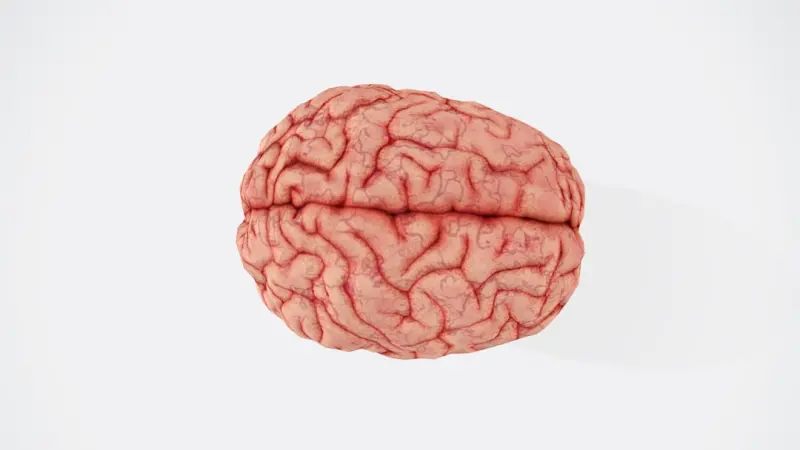
Rebooting Your Brain: Strategies for Cognitive Vitality in a Hyperconnected Era
Ever feel like your mind is a browser with a hundred tabs open, each blinking for attention? In today’s world, the relentless stream of notifications, emails, and endless scrolling can turn even the sharpest brain into a sluggish processor. I’ve spent the past decade navigating boardrooms, webinars, and back‑to‑back deadlines, and I’ve learned that protecting our most valuable organ requires more than occasional meditation or a handful of vitamins. It demands a systematic, evidence‑based approach that treats the brain like any high‑performance asset: regular maintenance, strategic upgrades, and a clear plan for downtime.
In this post, I’ll share the four pillars of a brain‑reboot regimen that have helped me and countless high‑performers reclaim mental clarity, sustain focus, and build long‑term cognitive resilience. These tactics go beyond the usual “eat more fish” or “exercise regularly” advice. They’re rooted in the latest neuroscience on neuroplasticity, the gut‑brain axis, and the impact of digital overload on executive function. By the end, you’ll have a practical toolkit you can start using today—no expensive gadgets required.
1. Digital Hygiene: Curating Your Cognitive Input
The brain is a muscle that thrives on focused, intentional work. When we feed it a constant barrage of fragmented information, we trigger what researchers call “cognitive overload,” a state where the prefrontal cortex can’t allocate resources efficiently. The result? Decreased working memory, slower decision‑making, and a lingering sense of mental fatigue.
Start by establishing digital boundaries that protect your “deep work” windows:
- Batch notifications. Turn off push alerts for non‑essential apps and schedule two‑minute checks every hour instead of reacting instantly.
- Designate device‑free zones. Your bedroom, dining table, and even the bathroom can become sanctuaries where the brain can rest from visual and auditory stimuli.
- Implement the “30‑minute rule”. After a prolonged screen session (30 minutes or more), step away for a brief walk or stretch. This micro‑break helps reset the default mode network, which is crucial for creativity and memory consolidation.
These practices may seem simple, but they create a predictable rhythm that the brain can latch onto, reducing the constant “switch‑cost” of jumping between tasks.
2. Neuro‑Nourishment: Feeding the Brain‑Gut Axis
While we often hear about the benefits of omega‑3s and antioxidants, the Microbiome Mastery article highlighted how the gut’s microbial community directly influences neurotransmitter production, inflammation, and even mood regulation. A balanced gut can be a silent champion for brain health.
Here are three targeted strategies to nurture this connection:
- Fermented foods daily. Incorporate kefir, sauerkraut, or kimchi to introduce beneficial bacteria that produce short‑chain fatty acids, which cross the blood‑brain barrier and support neuronal health.
- Polyphenol‑rich snacks. Berries, dark chocolate, and green tea contain flavonoids that enhance synaptic plasticity and protect against oxidative stress.
- Limit processed sugars. High‑glycemic spikes can cause inflammation in the gut lining, leading to “leaky gut” and subsequent neuroinflammation—a known risk factor for cognitive decline.
Couple these dietary tweaks with a high‑fiber regimen (legumes, nuts, whole grains) to keep your microbiome thriving, and you’ll notice sharper focus and steadier moods within weeks.
3. Structured Cognitive Play: Harnessing Neuroplasticity Through Novelty
Neuroplasticity—the brain’s ability to reorganize and form new connections—doesn’t happen in a vacuum. It thrives on challenges that push us just beyond our comfort zone. Think of it as “cognitive cross‑training.” While many of our readers already practice physical fitness, few apply the same intentional variety to mental workouts.
Consider integrating these “brain‑gym” activities into your weekly schedule:
- Skill‑swap sessions. Pair up with a colleague and teach each other a non‑work‑related skill (e.g., basic coding, a musical instrument, or a foreign language). The act of learning new motor patterns and language structures sparks hippocampal growth.
- Strategic puzzles. Engage with games that demand pattern recognition, such as sudoku, chess, or even certain video games that require spatial navigation. The key is to rotate the type of puzzle every few weeks to avoid plateauing.
- Creative constraints. Set a timer and write a short story using only ten unique words, or sketch a product idea using only three shapes. Constraints force the brain to think laterally and forge new neural pathways.
Research shows that just 15‑20 minutes of novel activity, three times a week, can increase BDNF (brain‑derived neurotrophic factor), a protein that supports neuron survival and growth. The result? Enhanced memory retention and a more resilient executive function.
4. Intentional Rest: Quality Sleep and Structured Day‑Offs
Rest isn’t merely the absence of activity; it’s an active process where the brain consolidates memories, clears metabolic waste via the glymphatic system, and recalibrates emotional regulation centers. While the The Power of Structured Day‑Offs for Mental Clarity piece covered the benefits of scheduled breaks, let’s dive deeper into two core components of restorative rest.
Sleep hygiene hacks for the hyperconnected professional:
- Keep the bedroom cool (around 65°F) and dark; melatonin production is highly temperature‑sensitive.
- Adopt a “screen curfew” at least one hour before bed. If you must use devices, enable blue‑light filters and use audio‑only formats.
- Practice a brief “brain dump” routine: write down lingering thoughts, to‑do items, and worries to offload them from working memory.
Structured day‑offs: Instead of the typical “catch‑up on emails” weekend, schedule a dedicated day where the primary goal is cognitive recovery. Activities could include light nature walks, non‑screen hobbies, or simply unstructured leisure. The goal is to let the default mode network operate without interference, fostering insight and long‑term memory integration.
Putting It All Together: A Sample 7‑Day Brain‑Reboot Blueprint
Below is a practical, low‑commitment schedule you can adapt to your personal and professional demands. Feel free to modify durations and activities based on what feels sustainable.
| Day | Morning | Afternoon | Evening |
|---|---|---|---|
| Monday | 30‑minute deep‑work block (no notifications) | Skill‑swap lunch (learn a new language phrase) | Screen‑free dinner, journal “brain dump” |
| Tuesday | Light cardio + 5‑minute mindfulness | Creative constraint: sketch product with three shapes | Fermented snack, blue‑light filter on devices |
| Wednesday | Micro‑learning: 10‑minute podcast on neurobiology | Structured day‑off planning (choose nature walk) | Read fiction, no screens after 9 pm |
| Thursday | Deep‑work block (batch emails at 11 am) | Puzzle session: chess or sudoku | Berry smoothie, warm shower, cool bedroom |
| Friday | Review weekly goals, prioritize top 3 | Team “brain‑break” (5‑minute stretch + gratitude) | Social dinner with friends, no phones |
| Saturday | Structured day‑off: nature hike, no devices | Cook fermented side dish, enjoy slow eating | Early bedtime, gratitude list |
| Sunday | Light reading (non‑work), coffee | Plan upcoming week’s digital boundaries | Screen‑free wind‑down, meditation |
Consistency is key. Even if you can’t follow the exact schedule, the underlying principle—alternating focused effort with intentional recovery—will gradually rewire your brain for higher efficiency and resilience.
Measuring Your Progress Without Obsession
Unlike fitness, cognitive performance isn’t easily quantified on a scale. However, you can track qualitative markers that indicate improvement:
- Focus latency. How long does it take you to enter a flow state after starting a task?
- Memory recall. Are you remembering names, numbers, and meeting details more reliably?
- Emotional regulation. Do you notice fewer mood swings or irritability after high‑stress periods?
- Creative output. Are you generating more ideas or solutions in brainstorming sessions?
Log these observations in a simple spreadsheet or journal. Over a month, trends will emerge, letting you fine‑tune the reboot plan.
Final Thoughts: Embrace the Brain‑First Mindset
Our brains are not passive receivers of the digital world; they are adaptable engines that respond to how we choose to train, feed, and rest them. By integrating digital hygiene, gut‑focused nutrition, structured cognitive play, and intentional rest, you’ll create a robust foundation for sustained mental performance—whether you’re leading a team, launching a product, or simply navigating the endless stream of information.
Remember, the goal isn’t to eliminate technology or become a hermit. It’s to become the conscious architect of your mental environment, ensuring that every byte of input serves a purpose and every period of downtime fuels regeneration. Start small, stay consistent, and watch your brain transform from a jittery processor into a sleek, high‑capacity engine ready for the challenges of tomorrow.

Related Posts
Unlock Brain Power with Intentional Daydreams and Movement Pauses
Learn practical techniques to integrate purposeful daydreaming and short movement pauses into your w... Read More

Paula Wright’s Holistic Blueprint for a Sharper, Healthier Brain
Paula Wright shares her holistic roadmap to sharper thinking, blending blood pressure control, liver... Read More

Neuro‑Play: Turning Everyday Curiosity into Brain Power
Learn how to embed micro‑brain workouts—like the “Question of the Hour” and sensory reset wa... Read More
Top Posts

Detoxifying the Digital Age: Reclaim Your Body from Everyday Electromagnetic Toxins
A fresh look at detox that goes beyond juices and fasts, focusing on reducing electromagnetic exposure from devices, grounding practices, light management, and ...Read More

Functional Fitness: A Modern Man’s Blueprint for Longevity
Learn how functional fitness transforms everyday strength, mobility, and mental resilience for men, offering practical steps and lifestyle tweaks that support l...Read More

Off‑Loading Your Mind: External Memory Tools for Sharper Thinking
Learn practical digital and analog strategies to off‑load low‑value information, boost working memory, reduce stress, and unlock creative potential....Read More

Brain Boosting Through Intentional Daydreaming
A deep dive into intentional daydreaming reveals its neurochemical benefits, practical techniques, and how to weave it into a busy life for stronger, more resil...Read More
0 Comments
Post Comment
You will need to Login or Register to comment on this post!