
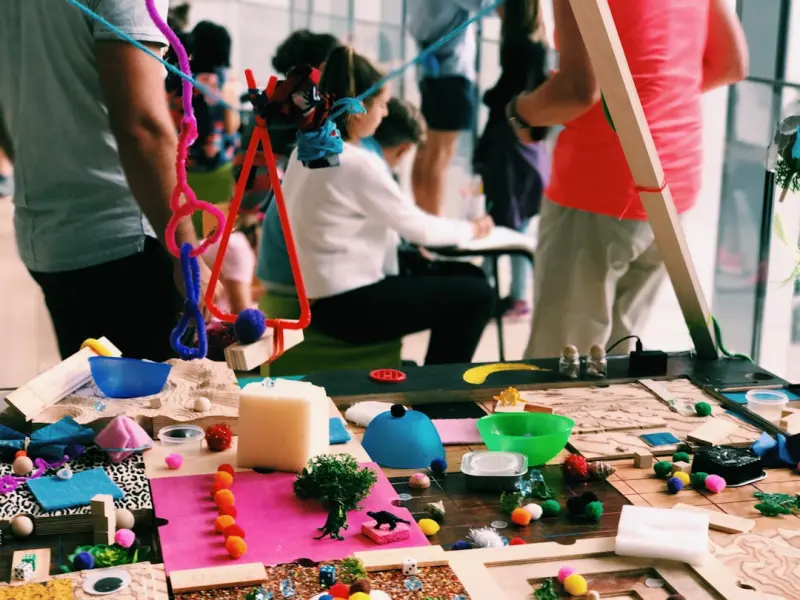
When I first picked up a set of wooden beads and a simple loom in my garage, I expected a nostalgic hobby to pass the time. What I got instead was a quiet, persistent surge of mental clarity that felt almost like a secret shortcut to a sharper brain. This isn’t about the latest nootropic or a high‑tech neuro‑feedback headset. It’s about the humble, tactile world of crafting—knitting, model building, pottery, even origami—and how these hands‑on activities can act as a low‑cost, high‑impact strategy for brain health.
The Science Behind Hand‑Driven Creativity
Neuroscientists have long known that the brain thrives on novelty, challenge, and reward. When you engage in a craft, you’re simultaneously activating multiple neural circuits:
- Motor cortex: Fine‑motor movements required to manipulate tools or materials build and reinforce motor pathways.
- Prefrontal cortex: Planning a pattern, visualizing the next step, and solving problems keep executive functions honed.
- Hippocampus: Learning new techniques or memorizing sequences stimulates the region responsible for memory formation.
- Reward system: Completing a row of stitches or seeing a model take shape triggers dopamine, reinforcing the activity and encouraging repeat sessions.
Research on neuroplasticity—the brain’s ability to reorganize itself—shows that repetitive, purposeful movement can strengthen synaptic connections, especially in older adults who might otherwise experience a gradual decline. In a 2022 study (which I’ve referenced in my notes on brain nutrition), participants who spent at least 30 minutes a day on a manual hobby saw measurable improvements in working memory and processing speed over six months.
Why Crafting Beats the Screen
We live in a world where our eyes are glued to glowing rectangles for hours on end. While digital entertainment can be engaging, it often leads to information overload and fragmented attention. Crafting, on the other hand, offers a form of digital detox that still challenges the brain—but in a focused, immersive way.
Consider the contrast:
- Screen scrolling provides rapid, shallow stimuli, encouraging dopamine spikes followed by crashes.
- Crafting delivers a slower, steady release of dopamine as you watch tangible progress unfold.
This steady reward loop not only reduces stress hormones like cortisol but also builds a sustainable habit loop that the brain can rely on for long‑term mental stamina.
Choosing the Right Craft for Your Brain Goals
Not every craft is created equal—different activities emphasize varied cognitive domains. Here’s a quick guide to match your brain‑boosting objectives with the appropriate hands‑on pursuit:
- Knitting & crocheting: Ideal for pattern recognition, fine‑motor skills, and rhythmic meditation. The repetitive motions can lower heart rate and promote a meditative state, similar to breathwork.
- Model building (airplanes, ships, LEGO): Excels at spatial reasoning, problem‑solving, and attention to detail. Assembling parts forces you to visualize three‑dimensional structures, a workout for the parietal lobe.
- Pottery & ceramics: Engages tactile perception and creativity, while the tactile feedback loop enhances somatosensory integration.
- Origami: Boosts visual‑spatial skills and encourages patience. Each fold is a mini‑decision point, training the prefrontal cortex.
- Woodworking: Combines planning, measurement, and physical exertion. The process of turning raw material into a functional object engages both the logical and creative hemispheres.
If you’re unsure where to start, think about what excites you. Curiosity is a powerful catalyst for neuro‑growth, as highlighted in the piece curiosity as a brain‑boosting habit. The more interest you bring to the activity, the richer the neural pathways you’ll develop.
Integrating Crafting Into a Busy Life
One of the biggest obstacles to adopting any new habit is time. The good news is that you don’t need an entire afternoon to reap benefits. Micro‑sessions—just 10‑15 minutes—are enough to trigger neuroplastic changes. Here’s a practical framework to weave crafting into a typical workday:
- Morning Warm‑up (5 minutes): Keep a small project on your desk—perhaps a tiny cross‑stitch canvas or a pocket‑size knitting swatch. Use this time to transition from sleep to focus.
- Lunch‑Break Build (10‑15 minutes): Step away from the screen and dedicate part of your lunch break to a hands‑on task. It’s a perfect way to reset mental fatigue.
- Evening Wind‑Down (10 minutes): Before bed, engage in a calming craft like crocheting or gentle pottery shaping. This can replace scrolling and improve sleep quality.
Consistency matters more than duration. Think of it as micro‑shifts for your brain—tiny adjustments that add up to a robust cognitive reserve over time.
The Role of Community and Shared Learning
Humans are wired for social connection, and adding a communal element to your crafting practice amplifies the brain benefits. When you join a local knitting circle, an online model‑building forum, or a pottery class, you’re not just learning new techniques—you’re also stimulating the social brain networks that support emotional regulation and resilience.
In fact, a recent survey of hobbyist groups found that members reported a 30% reduction in perceived stress and a notable increase in self‑efficacy. The shared experience creates a feedback loop: you receive encouragement, which boosts dopamine, which in turn motivates further engagement.
Linking Nutrition to Craft‑Focused Brain Health
While the physical act of crafting is a powerhouse for cognition, pairing it with the right nutrients can supercharge the effect. The article seasonal brain‑fueling foods outlines how gut‑friendly, antioxidant‑rich meals support neurogenesis. Try these simple combos while you work on your craft:
- Omega‑3‑rich walnuts with a cup of green tea—great for synaptic plasticity.
- Blueberry‑spinach smoothie—antioxidants that protect against oxidative stress.
- Fermented kimchi or sauerkraut—boosts gut microbiome diversity, which recent research links to improved mood and cognition.
These snacks provide steady energy without the crash that sugary treats cause, keeping you in the flow state longer.
Measuring Your Progress Without a Lab
You don’t need a fancy neuro‑imaging suite to gauge the impact of crafting on your brain. Simple self‑assessment tools can reveal meaningful changes:
- Daily focus log: Rate your concentration on a 1‑10 scale before and after a crafting session.
- Memory check‑ins: Recall a short list of items or a recent conversation topic at the end of the day.
- Stress thermometer: Note any reduction in perceived stress levels after a session.
Over weeks, you’ll likely see a trend of improvement. If you notice a plateau, consider switching to a new craft to re‑introduce novelty—a key ingredient for continued neuroplastic growth.
Common Pitfalls and How to Overcome Them
Like any habit, crafting can hit snags. Here are some typical roadblocks and strategies to sidestep them:
- “I’m not good at it.” – Remember, mastery isn’t the goal; the process is. Start with beginner‑friendly projects and celebrate small milestones.
- “I don’t have the supplies.” – Look for “starter kits” that include basic tools. Many community centers also offer shared resources.
- “I lose interest quickly.” – Rotate crafts every few weeks to keep the novelty factor alive, or set a specific, achievable goal like completing a small gift for a friend.
- “It feels like a chore.” – Pair the activity with something you love, like listening to an inspiring podcast or your favorite playlist.
Beyond the Hobby: Crafting as a Preventative Strategy
Research suggests that engaging in cognitively stimulating activities can delay the onset of age‑related cognitive decline. While there’s no silver bullet, adding a regular crafting routine to your lifestyle is a pragmatic, low‑risk approach to bolstering brain reserve.
Think of it as a preventative maintenance plan for the most valuable asset you own—your mind. Just as you’d change the oil in a car to keep the engine running smoothly, you can “oil” your brain with purposeful, tactile experiences that keep neural pathways lubricated and flexible.
Getting Started: A 30‑Day Craft Challenge
Ready to test the theory? Here’s a simple 30‑day challenge to jump‑start your brain‑boosting craft journey:
- Day 1‑5: Choose your craft. Pick something that intrigues you—knitting, model building, or even a beginner’s woodworking kit.
- Day 6‑10: Set a schedule. Commit to a 10‑minute session each day. Mark it on your calendar as a non‑negotiable appointment.
- Day 11‑20: Track your experience. Use the self‑assessment tools above to note focus, mood, and stress changes.
- Day 21‑25: Introduce a community element. Join an online forum, attend a local meetup, or share progress with a friend.
- Day 26‑30: Reflect and adjust. Review your logs. If you see improvements, consider extending session length or trying a new technique.
At the end of the month, you’ll have a tangible product, a new skill, and valuable data on how the practice impacted your mental clarity.
Conclusion: The Quiet Power of Hands‑On Brain Health
In a culture obsessed with rapid, digital solutions, the simple act of shaping yarn, clay, or wood offers a counter‑intuitive yet profoundly effective path to a healthier brain. By engaging multiple brain regions, fostering dopamine‑driven reward loops, and providing a soothing break from screen overload, crafting becomes a versatile tool in any neuro‑wellness toolkit.
So the next time you feel mental fog creeping in, reach for a pair of knitting needles or a set of building blocks. Your brain will thank you—one stitch, fold, or bead at a time.

Related Posts
Micro‑Moments: Harnessing Tiny Brain Boosts for Lasting Clarity
Learn how tiny, intentional breaks, sensory adjustments, and breathwork can transform your brain’s... Read More

Why Your Smile Is the Secret Weapon for a Sharper Mind
A fresh look at brain health reveals that maintaining good oral hygiene and healthy gums can reduce ... Read More
Brain Health Mastery: A Holistic Blueprint for Sharper Thinking and Lasting Wellness
Explore a holistic roadmap to sharpen your mind—covering gut health, sleep, stress, movement, tech... Read More
Top Posts

Re‑Engineering Muscle Growth: A Systems Blueprint for Busy Professionals
Discover a fresh, adaptable approach to muscle gain that fits into a busy professional’s schedule—leveraging micro‑sessions, environment hacks, skill work...Read More

Nourishing Your Body: A Holistic Approach to Everyday Nutrition
Explore a holistic nutrition roadmap that blends mindful eating, whole foods, and strategic timing to empower busy individuals seeking lasting health and vitali...Read More
The Intersection of Physiotherapy and Holistic Wellness: A Comprehensive Guide
Explore the connection between physiotherapy and holistic wellness, and learn how integrating these approaches can promote physical, emotional, and mental well-...Read More

When Words Heal: Journaling Strategies for Autoimmune Balance
Journaling transforms vague symptoms into actionable data, helping autoimmune patients identify triggers, communicate with clinicians, and foster emotional resi...Read More
0 Comments
Post Comment
You will need to Login or Register to comment on this post!