
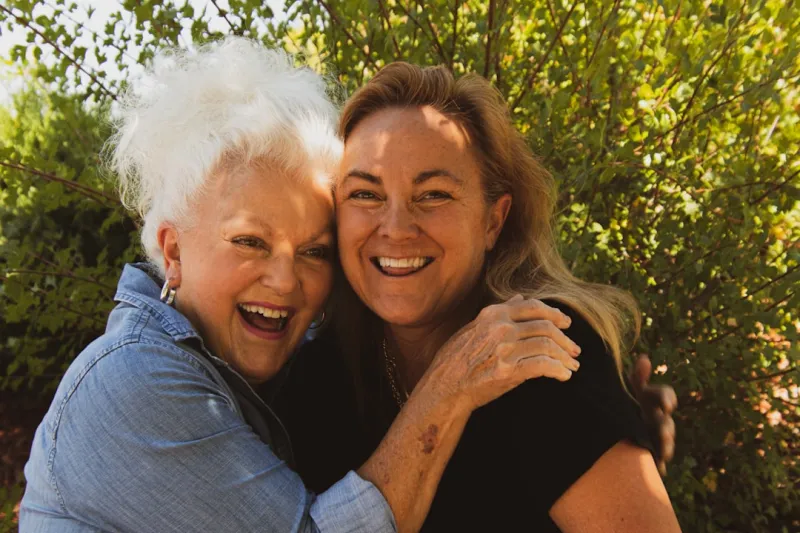
Redefining Aging with a Holistic Mindset
When I first began to notice the subtle shifts in my body and mind, I realized that aging is not a decline but a continuous invitation to deepen my relationship with myself, and this revelation reshaped every health decision I make today. I stopped viewing wrinkles, gray hairs, or slower recovery times as flaws, and instead embraced them as signposts that guide me toward a more compassionate, holistic aging practice that honors both the physical and the emotional currents of life. By integrating daily gratitude, mindful breathing, and a willingness to ask for help, I have created a personal framework that transforms each decade into a season of growth rather than a period of loss.
One of the most powerful shifts came when I discovered that the narrative around “getting older” often ignores the wealth of scientific evidence showing that lifestyle choices can dramatically influence the rate at which we experience age‑related changes, and I made a promise to myself to become the author of my own longevity story. The moment I started treating my body as a collaborative partner—rather than a machine to be fixed—I found that my energy levels rose, my mood steadied, and my confidence in navigating life’s inevitable transitions grew stronger. This mindset is the cornerstone of what I now call vibrant longevity, a concept I explore in depth in the guide Embracing Vibrant Longevity, which helped me align my daily habits with the rhythm of my body.
The Power of Nutrition for Longevity
Food, for me, has become a daily conversation with my cells; every bite is an opportunity to either fuel vitality or invite fatigue, and learning to listen to that conversation has been nothing short of transformative. I moved away from restrictive diets and embraced a flexible, whole‑food approach that respects my unique metabolic fingerprint, focusing on color, texture, and seasonal variety to keep my meals exciting and nutritionally dense. This shift was reinforced when I dove into the principles laid out in the Holistic Nutrition Reset, which taught me how to balance macronutrients, hydrate intelligently, and incorporate phytonutrients that support cellular repair and inflammation reduction.
Since adopting this mindset, I have noticed a profound clarity in my thinking, steadier blood sugar levels, and a natural resistance to the cravings that once sabotaged my health goals, all of which contribute to a more resilient aging process. I also discovered that certain micronutrients—like magnesium, omega‑3 fatty acids, and antioxidants such as lutein—play pivotal roles in protecting brain health, supporting joint flexibility, and maintaining skin elasticity as we age. By treating my plate as a prescription for longevity, I am not only nourishing my present self but also investing in a future where I can continue to explore new passions with vigor.
Movement, Strength, and Gentle Fitness
Physical activity used to be something I chased only when I felt guilty about being sedentary, but as I entered my forties, I realized that movement is the most compassionate gift I can give my aging body, and I re‑engineered my exercise philosophy around joy, sustainability, and functional strength. I now prioritize a blend of low‑impact cardio, mobility drills, and resistance training that respects joint health while still challenging muscle fibers, because preserving lean muscle mass is essential for maintaining metabolism, balance, and independence in later years. In practice, this means I start mornings with a five‑minute spinal warm‑up, follow with a 20‑minute walk in nature to boost circulation, and finish with three sets of body‑weight squats and rows that leave me feeling empowered rather than exhausted.
Research consistently shows that regular strength work can offset the natural loss of muscle that occurs with age, and I have felt that benefit firsthand as my posture improved, my stairs became easier, and my overall stamina increased, allowing me to engage fully in family activities and community projects. I also discovered that incorporating mindful movement practices—like yoga or tai chi—helps me tune into subtle body signals, reduce stress hormones, and improve flexibility, which together create a synergistic effect that supports a graceful aging journey. The key, I have learned, is consistency over intensity, listening to my body’s feedback, and celebrating small victories that accumulate into lasting health dividends.
Restorative Sleep and Mental Resilience
Sleep was once a negotiable luxury in my hectic schedule, but when I began to experience foggy mornings, irritability, and weakened immune responses, I recognized that restorative rest is the foundation upon which every other healthy habit stands, especially as we age. I revamped my nighttime routine by dimming lights an hour before bed, swapping screens for a calming journal practice, and creating a cool, dark sleep environment that encourages the natural release of melatonin, the hormone that regulates our circadian rhythm. These changes not only shortened the time it takes me to fall asleep but also deepened the quality of my REM cycles, which are critical for memory consolidation and emotional processing.
Beyond the physical benefits, I found that a well‑rested mind is more resilient to the stresses that can accelerate aging, and I began to explore techniques like progressive muscle relaxation and breathwork to calm the nervous system before sleep. When insomnia threatened my progress, I turned to the insights shared in Conquering Insomnia, which reinforced the importance of a consistent sleep schedule and the avoidance of stimulants late in the day. By honoring my body’s need for nightly regeneration, I have experienced sharper cognition, a steadier mood, and an overall sense of vitality that fuels my other healthy aging practices.
Brain Health: Keeping the Mind Sharp
As I age, I have become increasingly aware that the brain, like any other organ, thrives on targeted nutrition, regular mental challenges, and a supportive social environment, and neglecting these pillars can lead to cognitive decline that feels both preventable and unnecessary. I incorporated activities that stimulate neuroplasticity—such as learning a new language, playing strategic games, and engaging in creative hobbies—into my weekly routine, because each novel experience builds new neural pathways and reinforces existing ones. This habit was further validated when I explored the strategies outlined in Peak Brain Health, which emphasized the role of omega‑3s, antioxidants, and regular aerobic exercise in preserving memory and processing speed.
In addition to mental exercise, I prioritize social connections, knowing that meaningful relationships act as a buffer against stress and have been linked to reduced risk of dementia; weekly coffee chats, community volunteering, and family gatherings keep my emotional circuits engaged and my sense of purpose alive. By weaving together nutrition, physical activity, cognitive challenges, and social interaction, I have crafted a comprehensive brain‑care plan that not only supports sharper thinking but also enhances my overall sense of well‑being, proving that a holistic approach can truly keep the mind youthful.
Stress Management and Emotional Balance
Stress, once an invisible antagonist in my life, revealed itself as a silent accelerator of age‑related wear and tear, prompting me to develop a toolbox of coping strategies that nurture emotional equilibrium and protect my physiological health. I began each day with a brief meditation that centers my breath, followed by a gratitude practice that reframes challenges as opportunities for growth, and I make it a point to step outside for a few moments of fresh air whenever tension builds, because nature’s rhythms have a calming effect on the nervous system. These intentional pauses have lowered my cortisol levels, reduced inflammatory markers, and helped me maintain a steadier heart rate, all of which contribute to a slower biological aging process.
When life throws bigger curveballs—like a health scare or family crisis—I turn to the holistic principles I share in my writing about mental wellness, reminding myself that emotions are temporary visitors rather than permanent residents, and that acknowledging them without judgment creates space for healing. I also lean on supportive communities, both in‑person and online, where shared experiences foster a sense of belonging and reduce the isolation that can exacerbate stress. By consistently practicing stress reduction techniques, I have noticed improved sleep, clearer thinking, and a more vibrant outlook that fuels every other aspect of my healthy aging journey.
Integrating Holistic Practices into Everyday Life
The true test of any healthy aging strategy lies in its sustainability, and I have learned that embedding holistic practices into the fabric of daily life—rather than treating them as occasional projects—creates lasting change that feels natural rather than forced. I set micro‑goals, such as adding one extra vegetable to dinner, taking a short walk after lunch, or reading a single page of a new book before bed, because small, achievable steps build momentum and reinforce positive habits without overwhelming my schedule. Over time, these micro‑adjustments accumulate into a lifestyle where nutrition, movement, rest, and mental care are seamlessly interwoven.
Technology also plays a supportive role; I use simple tracking apps to monitor sleep patterns, hydration, and mood fluctuations, which provides valuable feedback that helps me fine‑tune my approach. When I stumble, I refer back to the comprehensive guide Embracing Vibrant Longevity for reassurance and practical tips, ensuring that setbacks become learning opportunities rather than reasons to abandon progress. By treating each day as a series of intentional choices, I have cultivated a resilient, adaptable routine that honors my body’s evolving needs and keeps me thriving at every stage of life.
Looking Ahead: A Lifelong Commitment to Vibrancy
As I reflect on the tapestry of habits, insights, and personal stories that have shaped my approach to healthy aging, I am reminded that longevity is less about reaching a distant destination and more about savoring the journey with curiosity, compassion, and confidence. I continue to explore new modalities—such as intermittent fasting, cold exposure, and community gardening—that align with my holistic philosophy, because growth never truly stops, and each experiment offers fresh data on what supports my optimal self. My hope is that readers feel empowered to craft their own personalized roadmap, drawing inspiration from evidence‑based practices and the lived experience I share.
Ultimately, the secret to vibrant aging lies in the marriage of science and soul: applying proven health strategies while honoring the emotional narratives that give life meaning. By committing to consistent nutrition, gentle movement, restorative sleep, mental stimulation, and stress resilience, we set the stage for a future where age is celebrated as a badge of wisdom rather than a limitation. I invite you to join me on this ongoing adventure, to experiment, to listen deeply to your body, and to write your own story of thriving at every age.

Related Posts
Nurturing the Aging Self: Sensory Gardens, Storytelling, and Rhythmic Connections
Explore three evidence‑based practices—sensory gardening, narrative circles, and rhythmic social... Read More

Thriving After 60: A Holistic Roadmap to Vibrant Aging
A comprehensive guide to thriving after 60, blending mindset, nutrition, movement, sleep, brain heal... Read More
Chrono‑Nutrition: Aligning Meals with Your Body Clock for Healthy Aging
Chrono‑nutrition syncs meal timing with your internal clock, enhancing metabolism, reducing inflam... Read More
Top Posts
Nurturing Your Liver Through the Gut‑Liver Axis: A Personal Journey
Learn a personal, gut‑focused approach to liver health, featuring fermented foods, herbs, toxin reduction, and simple movement for lasting wellness....Read More

When Sensors Meet Symptoms: Harnessing Wearables to Tame Autoimmune Flare‑Ups
Wearable sensors now capture the subtle physiological changes that precede autoimmune flare‑ups, offering a proactive way to manage symptoms, personalize nutr...Read More
The Gut-Brain Connection: A Holistic Approach to Gut Health
The gut and brain are intricately linked, and research has shown that the health of our gut microbiome has a profound impact on our overall well-being. A holist...Read More

Turning Autoimmune Challenges into Creative Strengths
Explore a fresh, science‑backed approach to managing autoimmune disease by weaving creative activities into daily life, boosting well‑being and offering rea...Read More
0 Comments
Post Comment
You will need to Login or Register to comment on this post!