

Why Nutrition Is More Than Just Calories
When I first started blogging about food, I thought the conversation would stay simple—count carbs, watch protein, and stay under a daily calorie ceiling. Over time, however, I’ve discovered that true vitality comes from the intricate dance between nutrients, hormones, and the stories our bodies tell us about stress, sleep, and even the seasons. Understanding nutrition as a holistic system empowers us to move beyond restrictive numbers and toward a sustainable, joyful relationship with what we put on our plates.
Whole Foods Over Processed: The Foundation of Real Energy
In a world saturated with convenience, the most radical act you can perform is to prioritize whole, minimally processed foods that still carry the integrity of their natural nutrients. I remember the first time I swapped a packaged breakfast bar for a bowl of steel‑cut oats topped with fresh berries, chia seeds, and a splash of almond milk; the steadier energy curve was unmistakable. If you’re curious about how to make that shift seamlessly, check out Holistic Nutrition: Transforming Everyday Eating into Vibrant Health for a step‑by‑step guide that helped me rebuild my pantry.
Micronutrient Timing for All‑Day Vitality
Beyond macronutrients, the timing of vitamins and minerals can dramatically affect how awake and focused we feel from sunrise to sunset. For instance, pairing vitamin C with iron‑rich foods boosts absorption, while a magnesium‑rich snack before bed can calm the nervous system and improve sleep quality. To see how these tiny powerhouses translate into sustained vigor, explore Unlocking Everyday Energy: A Holistic Blueprint for Vibrant Health, which walks you through a daily schedule that aligns nutrients with your circadian rhythm.
The Gut Microbiome: Your Inner Ecosystem
Our gut hosts trillions of microbes that act like a second brain, influencing digestion, immunity, and even mood. Introducing fermented foods—such as kimchi, sauerkraut, or kefir—can diversify this ecosystem, leading to reduced inflammation and clearer mental focus. I’ve found that a simple habit of adding a spoonful of plain, unsweetened yogurt to my morning smoothie not only improves texture but also seeds my gut with beneficial lactobacilli, setting the tone for a balanced day.
Sustainable Eating for Planet and Body
When we talk about nutrition, it’s impossible to ignore the environmental imprint of our food choices; the health of the planet mirrors the health of our bodies. Choosing plant‑forward meals, sourcing seasonal produce, and supporting regenerative agriculture reduces greenhouse gas emissions while delivering nutrient‑dense plates. By rotating legumes, nuts, and whole grains, you not only diversify your protein sources but also give the soil a chance to recover, creating a virtuous cycle of nourishment for both you and the earth.
Intuitive Eating: Healing the Mind‑Food Relationship
Many of us grew up with rigid diet rules that turned meals into a battlefield, a pattern I broke free from after confronting my own disordered eating tendencies. Listening to hunger cues, honoring cravings, and rejecting the “good‑vs‑bad” food dichotomy restored my sense of agency and joy around food. If you’re navigating a similar path, the story in Finding Freedom From Food: A Holistic Journey Through Eating Disorders resonated deeply with me and offers practical tools for reclaiming a balanced relationship with nourishment.
Personalized Nutrition: Science Meets Self‑Awareness
Advances in DNA testing and metabolic profiling promise tailored nutrient recommendations, but the technology is only as good as the insight you apply to it. I experimented with a popular genetic test that suggested higher omega‑3 intake; after integrating wild‑caught salmon and flaxseed into my meals, I noticed clearer skin and steadier focus. Yet, I remain cautious—personalized data should complement, not replace, the timeless wisdom of whole foods and attentive eating.
Practical Tips for Everyday Implementation
Turning theory into habit often hinges on small, manageable actions that fit into a busy lifestyle. Here are three strategies that have transformed my kitchen routine:
- Batch‑cook grains and legumes on Sunday, storing them in portion‑sized containers for quick assembly.
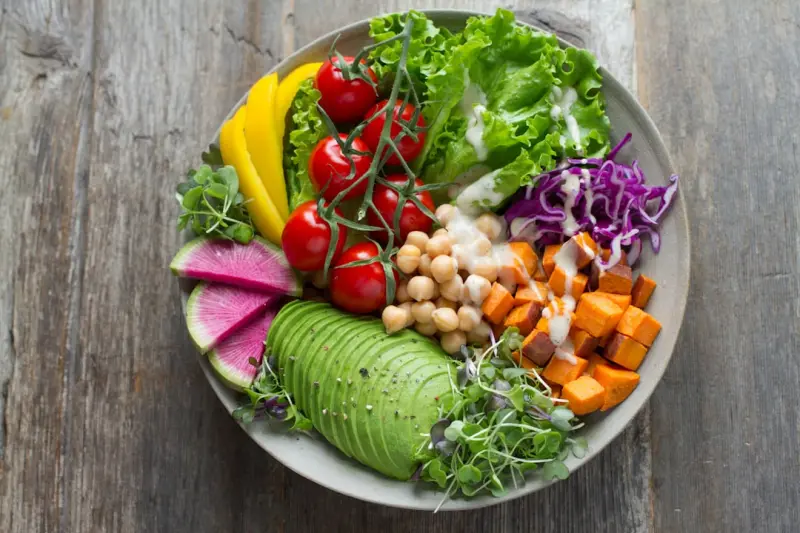
- Keep a “rainbow bowl” of pre‑washed vegetables in the fridge to add color and nutrients to any dish.
- Set a nightly reminder to plan tomorrow’s meals, allowing you to shop mindfully and avoid impulse purchases.
These steps, though simple, create a framework where healthy choices become the default rather than the exception.
Closing Thoughts: Your Nutrition Journey Starts Now
Nutrition is an ever‑evolving conversation between you, your body, and the world around you; embracing its complexity can feel daunting, but it also opens doors to profound vitality and self‑discovery. I encourage you to experiment with one new whole‑food ingredient each week, track how your energy shifts, and share your findings with a supportive community. Remember, the most sustainable change is one that feels nurturing, not punitive—so let curiosity guide your plate, and watch your health blossom from the inside out.

Becky Putman is an Ottawa-based freelance writer and marketing professional with a passion for storytelling, animals, and community involvement. She enjoys creating engaging content that informs, inspires, and connects with readers.
Related Posts
Fueling Focus: How the Foods on Your Plate Shape Your Cognitive Rhythm
Explore a science‑backed approach to daily nutrition that aligns flavor, micronutrients, and brain... Read More

Holistic Nutrition for Modern Life: Brandy Miller’s Fresh Perspective
Brandy Miller shares a fresh, holistic take on nutrition—linking gut health, stress, and seasonal ... Read More

Fermented Foods: The Unsung Heroes of Modern Nutrition
Fermented foods like kimchi, kombucha, and miso offer hidden nutrients, probiotics, and enzymes that... Read More
Top Posts

Guarding the Gut Barrier: A Practical Blueprint for Whole‑Body Resilience
A leaky gut can sabotage performance, skin health, and blood‑sugar stability. This article explains the gut barrier’s role, red‑flag symptoms, and a 30‑...Read More

Why Your Liver Deserves a Wellness Upgrade Now
A personal, practical guide to liver wellness that shifts focus from avoidance to nourishment, blends gut health insights, digital‑detox tips, and smart use o...Read More

Navigating Autoimmune Health: A Personal Blueprint for Everyday Resilience
Explore a unique, lived‑experience guide that blends environmental epigenetics, gut‑soil connection, and simple daily rituals to empower those living with a...Read More

The Hidden Dangers of Sleep Apnea: A Holistic Approach to Diagnosis and Treatment
Sleep apnea is a serious sleep disorder that affects millions of people worldwide. Learn about the causes, symptoms, and treatment options, and discover how a h...Read More
0 Comments
Post Comment
You will need to Login or Register to comment on this post!