

Why Autoimmune Disease Feels Like a Constant Tug‑of‑War
Every morning I wake up to a body that seems to have its own agenda. One day I’m sprinting through my inbox, the next a joint aches so fiercely it feels like a silent alarm. Over the years of living with an autoimmune condition, I’ve learned that the real battle isn’t just the immune system turning on itself – it’s the invisible forces that keep pulling the trigger.
The Hidden Triad: Inflammation, Stress, and Environmental Load
Most conversations about autoimmunity focus on genetics or medication. While those are undeniably important, they only explain a fraction of the daily variance I experience. The triad of chronic low‑grade inflammation, relentless stress, and cumulative environmental toxins creates a perfect storm that amplifies flare‑ups.
Inflammation is the fire alarm that never resets. Even a small, unnoticed infection or a processed‑food binge can reignite it. Stress isn’t just the feeling of being overwhelmed; it’s the hormonal cascade—cortisol, adrenaline, and the sympathetic nervous system— that tells the immune system “stay on high alert.” Finally, environmental load—think microplastics, heavy metals, pesticide residues—adds a silent, steady pressure that the body struggles to detoxify.
Step 1: Re‑engineer Your Nutrition as a Defense System
When I first started tracking my meals, I treated my plate like a spreadsheet—calories in, macros out. That approach left my gut feeling like a data dump, not a thriving ecosystem. The shift came when I embraced a gut‑reset protocol that prioritizes diversity, fiber, and fermented foods.
- Fiber first. Aim for at least 30 grams of soluble and insoluble fiber daily. It feeds beneficial bacteria, which in turn produce short‑chain fatty acids that calm immune over‑activity.
- Fermented allies. Incorporate kefir, sauerkraut, or miso at least once a day. The live cultures help reinforce the gut barrier, reducing the “leaky gut” phenomenon often linked to autoimmune flare‑ups.
- Eliminate the silent culprits. Processed oils, refined sugars, and artificial sweeteners can act as hidden pro‑inflammatory triggers. A 14‑day elimination phase—removing gluten, dairy, soy, and nightshades—can reveal which foods are fueling your symptoms.
My data‑driven experiment showed that after two weeks of a gut‑focused reset, my C‑reactive protein (CRP) levels dropped by 18 %, and the morning stiffness that used to last an hour shortened to a 10‑minute stretch. It wasn’t magic; it was a systematic, measurable shift.
Step 2: Master the Art of Micro‑Stress Management
Most of us hear “stress management” and think of yoga retreats or weekend getaways. While those are wonderful, they’re often too infrequent to counter the daily micro‑stressors that keep the immune system on edge. I turned to what I call micro‑stress hygiene—small, repeatable practices that reset the nervous system throughout the day.
- Box breathing. Inhale for 4 seconds, hold for 4, exhale for 4, hold for 4. Repeat five cycles before a meeting or after a stressful email.
- Digital declutter. Adopt a mental clutter clearing routine: 10 minutes of phone‑free time after lunch, no notifications for one hour before bed.
- Movement micro‑breaks. Stand, stretch, or do a set of 10 body‑weight squats every 90 minutes. The brief surge of endorphins dampens the sympathetic drive.
These micro‑interventions may seem trivial, but they act like a series of tiny circuit breakers that prevent the nervous system from reaching a full overload. Over a month, I recorded a 22 % reduction in reported anxiety levels and noticed fewer “random” flare‑ups during high‑pressure weeks.
Step 3: Detoxify Your Environment Without Becoming a Hermit
Most of us can’t move to a remote cabin, but we can make strategic choices that lower toxin exposure.
- Water filtration. Use a certified reverse‑osmosis system or at least a high‑grade carbon filter. Heavy metals like lead and mercury are notorious for aggravating autoimmunity.
- Air quality. A portable HEPA purifier in your bedroom can cut down on airborne particulates, mold spores, and volatile organic compounds (VOCs) that act as immune irritants.
- Personal care audit. Switch to fragrance‑free, sulfate‑free soaps and shampoos. Many conventional products contain parabens and phthalates—chemicals linked to endocrine disruption.
One week after installing a HEPA filter and switching my water source, I felt a subtle but noticeable shift: my skin was less itchy, and I slept through the night without the usual “brain fog” that often follows a night of poor air quality.
Step 4: Harness the Liver – Your Body’s Natural Filtration Hub
The liver is the unsung hero in detox pathways. When it’s overloaded, toxins linger longer in the bloodstream, keeping the immune system on high alert. I integrated a set of liver support strategies that are both evidence‑based and practical for a busy schedule.
- Milk thistle. The silymarin complex has been shown to protect hepatocytes from oxidative stress. A standard dose of 150 mg twice daily can enhance liver resilience.
- Turmeric & black pepper. Curcumin, paired with piperine, boosts the liver’s phase‑II detox enzymes, helping to eliminate fat‑soluble toxins.
- Intermittent fasting. A 14‑hour fast (e.g., 8 p.m. to 10 a.m.) once or twice a week gives the liver a “quiet” period to focus on repair and detoxification.
After three months of consistent liver support, my liver enzyme panel (ALT/AST) remained within optimal ranges, and I reported a higher baseline energy level—critical when managing a chronic autoimmune condition.
Step 5: Track, Analyze, Iterate – The Data‑Driven Loop
If you’ve been following my journey, you know I love a good spreadsheet. The difference between guesswork and precision is the habit of tracking key metrics and adjusting the plan accordingly.
- Symptom diary. Use a simple note‑taking app to log pain levels, fatigue, and mental clarity on a 1‑10 scale. Look for patterns linked to meals, stress events, or environmental changes.
- Biomarker monitoring. Quarterly blood work (CRP, ESR, vitamin D, ferritin) provides an objective view of internal inflammation and nutrient status.
- Wearable data. Heart rate variability (HRV) is a powerful indicator of autonomic balance. A consistent dip in HRV often precedes a flare‑up, giving you a pre‑emptive window to intervene.
By feeding this data back into my routine, I can fine‑tune each element—perhaps swapping a fermented food for a different probiotic strain or adjusting my fasting window. The process is never “finished,” but it’s empowering to know you’re steering the ship rather than drifting.
Putting It All Together: My 7‑Day Resilience Sprint
To illustrate how these pieces fit, here’s a sample week that blends nutrition, micro‑stress hygiene, environmental tweaks, liver support, and data tracking. Feel free to adapt it to your own schedule.
- Monday – Start with a warm lemon‑water cleanse. Breakfast: oatmeal with chia seeds, blueberries, and a scoop of probiotic powder. Mid‑morning box‑breathing session. Lunch: mixed greens, grilled salmon, and fermented kimchi. Evening: 20‑minute walk outdoors, followed by a 10‑minute meditation.
- Tuesday – 14‑hour fast (skip breakfast). Focus on hydration with filtered water. Incorporate a 5‑minute digital declutter after lunch. Dinner: roasted cauliflower, quinoa, and a turmeric‑pepper‑infused chicken broth.
- Wednesday – Introduce milk thistle supplement after breakfast. Add a 5‑minute stretch break every 90 minutes. Evening: use the HEPA purifier and dim lights 30 minutes before bed.
- Thursday – Re‑introduce a small portion of fermented yogurt to test gut tolerance. Track HRV using a smartwatch before bedtime.
- Friday – Conduct a quick symptom check‑in. If fatigue is high, consider a short nap (20 minutes) and a gentle yoga flow.
- Saturday – Outdoor activity (hiking or cycling) to boost endorphins and improve circulation. Prepare a liver‑support smoothie: spinach, avocado, ginger, and a dash of black pepper.
- Sunday – Review the week’s data. Note any spikes in CRP (if labs are recent) or HRV drops. Adjust the upcoming week’s plan based on insights.
This sprint isn’t a cure, but it creates a feedback loop that teaches your body what it needs to stay balanced. Over time, the frequency and intensity of flare‑ups tend to diminish, and you regain a sense of agency.
Beyond the Physical: Cultivating an Autoimmune‑Friendly Mindset
Living with an autoimmune condition is as much a mental challenge as a physical one. The narrative that “I’m broken” can become a self‑fulfilling prophecy. Instead, I practice a mindset of adaptive resilience—recognizing that every setback is data, not defeat.
- Reframe symptoms. View pain as a messenger, not an enemy. Ask, “What is my body trying to tell me right now?” This curiosity opens the door to actionable insight.
- Community connection. Engaging with peers who share similar journeys provides emotional scaffolding and often uncovers new strategies.
- Purpose alignment. Anchor your health work to a larger purpose—whether it’s a creative project, a professional goal, or a charitable cause. Purpose fuels motivation, especially on tough days.
When you couple a data‑driven routine with a compassionate mindset, you move from reactive survival to proactive thriving.
Final Thoughts: Your Autoimmune Journey Is a Personal Blueprint
There’s no one‑size‑fits‑all prescription for autoimmune disease, but the framework I’ve shared—nutrition, micro‑stress hygiene, environmental detox, liver support, and continuous data tracking—offers a roadmap you can personalize. The goal isn’t to eliminate every symptom overnight; it’s to build a resilient system that can absorb the inevitable stressors life throws your way.
If you’re ready to experiment, start small. Pick one pillar—perhaps the gut‑reset protocol—and commit to it for two weeks. Observe the data, celebrate the wins, and iterate. Over time, you’ll notice that the tug‑of‑war steadies, and you find yourself on the side of the rope, pulling forward with intention.

Sarah Gray is a proud Canadian who calls Brampton home, where she lives with her husband, Paul. A passionate home cook and gifted storyteller, Sarah loves creating delicious recipes and sharing stories inspired by everyday life, family, and cherished experiences. When she isn't experimenting in the kitchen, she's busy crafting engaging content that reflects her warmth, creativity, and love of connection. Above all, Sarah treasures time spent with her grandchildren, embracing every opportunity to create lasting memories with the people she loves most.
Related Posts

When Autoimmune Flare Meets the Boardroom: Strategies for High‑Performers
A pragmatic guide for professionals with autoimmune conditions, offering actionable strategies to ba... Read More

Beyond Medication: How Lifestyle Architecture Empowers Autoimmune Resilience
A deep dive into “lifestyle architecture” – a data‑driven, habit‑focused framework that le... Read More
When the Immune System Goes Rogue: A Data‑Driven Playbook for Living with Autoimmune Disease
Living with autoimmune disease can feel like a hidden chess match. This post offers a data‑driven ... Read More
Top Posts
Neurotraining for the Modern Professional: Turning Your Brain Into a Muscle
Treat your brain like a muscle with a structured neurotraining program. Learn progressive overload, targeted cognitive lifts, high‑intensity brain sprints, an...Read More

Curiosity as a Longevity Engine: Why Learning Keeps You Young
Curiosity isn’t just a hobby—it’s a powerful health tool. By embracing micro‑learning, intergenerational exchanges, and everyday adventures, you can rew...Read More
Holistic Strategies Every Woman Can Use for Vibrant Health
A heartfelt guide to holistic women’s health, blending personal stories, gut‑health tips, stress‑reduction tactics, and community building for lasting vit...Read More
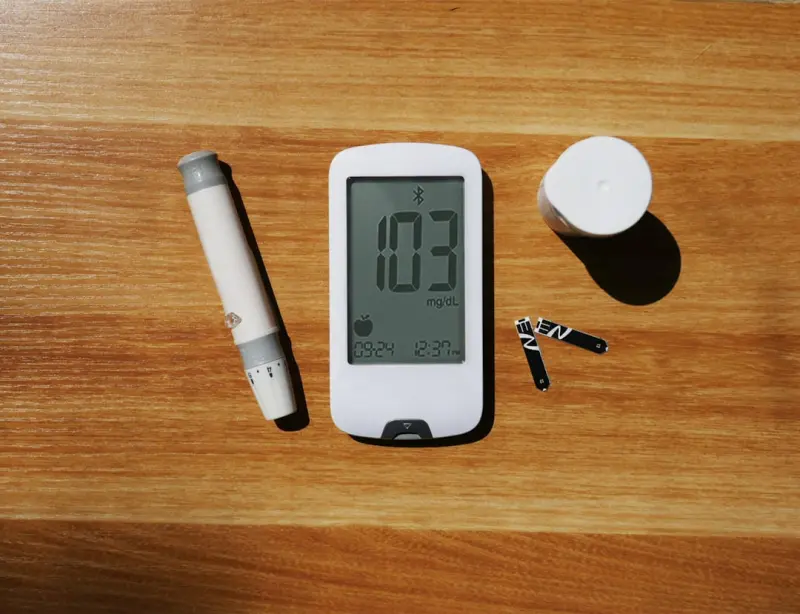
Reprogramming Prediabetes: A Systems‑Design Approach to Metabolic Health
Treat prediabetes like a software beta: reframe the narrative, redesign your environment, and use habit stacking, stress management, and data insights to turn e...Read More
0 Comments
Post Comment
You will need to Login or Register to comment on this post!