

Why Brain Health Is the New Wellness Frontier
When I first started writing about holistic health, I treated the brain like a silent passenger—important, yet often overlooked in favor of more visible goals like weight loss or glowing skin. Over the past few years, however, the conversation has shifted dramatically. People are waking up to the reality that cognition, memory, and emotional balance are the foundations upon which every other health goal rests. In my own journey, I’ve seen how a simple tweak to my morning routine—like swapping a sugary coffee for a green‑tea‑infused smoothie—can sharpen focus within minutes. This isn’t a fleeting trend; it’s a cultural pivot toward protecting the organ that makes every other achievement possible. Neuro‑protective habits are no longer a niche topic for scientists; they’re becoming mainstream advice you’ll find on podcasts, fitness apps, and even grocery store aisles. By the time you finish reading this post, you’ll have a toolbox of evidence‑backed strategies that feel as intuitive as breathing, yet powerful enough to boost memory, mood, and mental stamina for years to come.
Feeding Your Cortex: Nutrition Matters
The foods you choose are the fuel that powers every thought, feeling, and movement. I once thought a handful of almonds was enough to “keep the brain healthy,” but research—and my own trial‑and‑error—tells a richer story. Omega‑3 fatty acids, antioxidants, and micronutrients like magnesium act like premium gasoline, allowing neurons to fire efficiently and resist oxidative stress. One of my favorite deep dives into this subject is the guide The Holistic Nutrition Reset, which walks you through how to balance macronutrients, incorporate brain‑boosting herbs, and avoid hidden sugars that sabotage cognition. Imagine swapping a processed snack for a bowl of berries topped with chia seeds; that simple exchange can elevate BDNF (brain‑derived neurotrophic factor) levels, supporting neuroplasticity. I’ve also discovered that timing matters—eating a protein‑rich meal after a workout fuels both muscle repair and synaptic growth. By aligning your plate with these principles, you give your brain the sustained, clean energy it craves, and the mental fog that once clouded my afternoons begins to lift.
The Sleep‑Brain Connection: Restorative Nights
If you’ve ever woken up feeling as though you’ve been hit by a mental truck, you know that sleep is the brain’s nightly reset button. For years I dismissed “just a few more minutes of scrolling” as harmless, only to notice my short‑term memory slipping and my mood swinging like a pendulum. The truth is that deep, uninterrupted sleep orchestrates a cascade of restorative processes: glymphatic clearance sweeps away metabolic waste, while REM cycles consolidate memories and strengthen emotional regulation. My personal breakthrough came after I followed the steps outlined in Conquering Insomnia. By establishing a wind‑down ritual—dimming lights, sipping herbal tea, and practicing a five‑minute breath meditation—I reclaimed the eight‑hour window my brain desperately needed. The result? Sharper focus, fewer brain “fizzles,” and a resilience to stress that feels almost superhuman. If you’re still skeptical, try a 14‑day experiment: no screens after 9 p.m., a cool bedroom, and a consistent wake‑time. You’ll likely notice a measurable lift in cognitive clarity that no supplement can match.
Movement as Neuro‑Catalyst
Exercise isn’t just for the heart or the hips; it’s a direct stimulant for brain health. When I lace up my sneakers for a brisk walk, I’m not just burning calories—I’m triggering the release of BDNF, a protein that acts like fertilizer for new neural pathways. Even modest activities, such as yoga or tai chi, have been shown to increase cortical thickness in regions responsible for attention and executive function. I’ve found that integrating short bursts of movement throughout the day—like a quick set of squats before a meeting—keeps my mind agile and combats the “brain slump” that often follows prolonged sitting. The key is consistency over intensity; a daily habit of 20‑30 minutes of moderate cardio can be more beneficial than a single marathon session. Pair this with strength training, and you’ll support the hippocampus, the memory hub, while also stabilizing mood through endorphin release. Think of movement as a daily brain massage, loosening tight neural knots and paving the way for clearer thought.
Stress Management: From Fight‑or‑Flight to Flow
Chronic stress is the silent assassin of cognition, eroding memory and shrinking the prefrontal cortex over time. I used to pride myself on a “hustle” mindset, but the constant cortisol spikes left me foggy and irritable. The shift came when I embraced mindfulness techniques that transform stress from a threat into a signal for recalibration. Simple practices—like a three‑minute body scan before lunch or a gratitude journal before bed—activate the parasympathetic nervous system, lowering cortisol and fostering neurogenesis. I also incorporated “micro‑meditations” during work breaks, using a timer to pause, inhale for four counts, hold, then exhale slowly. These moments of intentional breathing reset the nervous system, allowing the brain to process information more efficiently. The result is a mental state that feels both calm and alert, a sweet spot where creativity thrives without the jittery side effects of caffeine or anxiety. Remember, the brain thrives on balance; a little stress can be a motivator, but sustained tension is a neurotoxin you can dilute with mindful habits.
Social Connection: The Brain’s Secret Garden
Human interaction isn’t just emotionally rewarding—it’s a potent neuroprotective factor. Engaging in meaningful conversation stimulates the release of oxytocin, which supports synaptic plasticity and buffers against age‑related cognitive decline. In my own life, I’ve noticed that weekly coffee chats with friends act like a mental gym, challenging me to recall stories, process new ideas, and adapt my language on the fly. Research even suggests that strong social networks can delay the onset of dementia by up to five years. To harness this power, I schedule regular “brain‑boosting” gatherings: a book club, a cooking class, or a virtual game night. Even brief, positive interactions—like a quick text exchange with a loved one—can trigger dopamine spikes that reinforce learning pathways. If you’re feeling isolated, consider volunteering or joining a community group; the act of giving not only uplifts others but also creates a feedback loop of neural stimulation that keeps your mind vibrant.
Digital Overload: Reclaiming Focus in a Wired World
We live in an era where information streams at us nonstop, and the brain’s default mode network—responsible for reflection and deep thinking—gets constantly interrupted. I used to scroll endlessly through news feeds, believing I was staying informed, only to discover that my ability to concentrate on a single task had deteriorated. The antidote is intentional digital hygiene: setting specific times for email, using app blockers during work, and creating “phone‑free” zones in the house. I also practice the “single‑task” principle, dedicating each block of time to one activity and resisting the urge to multitask. This not only boosts productivity but also strengthens the brain’s executive function, making it easier to filter distractions in the future. Moreover, engaging in analog activities—like reading a physical book or sketching—gives the brain a break from screen‑induced blue light, preserving melatonin production and supporting sleep quality. By curating your digital environment, you protect your cognitive bandwidth and allow deeper, more creative thinking to flourish.
Integrating a Holistic Blueprint for Peak Brain Health
All the pieces—nutrition, sleep, movement, stress reduction, social ties, and digital balance—fit together like a puzzle that, when complete, reveals a thriving brain. My favorite resource that ties these threads into a cohesive plan is Unlocking the Secrets to Peak Brain Health. It outlines a step‑by‑step roadmap, from daily habits to long‑term strategies, that respects each individual’s lifestyle and preferences. The key is to start small: swap one sugary snack for a handful of walnuts, add a 10‑minute walk after dinner, or set a bedtime alarm. Over weeks, these micro‑changes compound, creating a robust neuro‑protective framework. Remember, brain health is not a destination but an ongoing journey—a daily commitment to nourish, rest, move, and connect. By adopting this holistic approach, you’re not just preventing decline; you’re actively enhancing cognition, mood, and overall quality of life. Let’s embark on this adventure together, and watch our minds bloom with clarity, resilience, and boundless curiosity.

Tammy French is a Montessori Teaching Assistant and freelance writer passionate about education, creativity, and inspiring lifelong learning through engaging content.
Related Posts
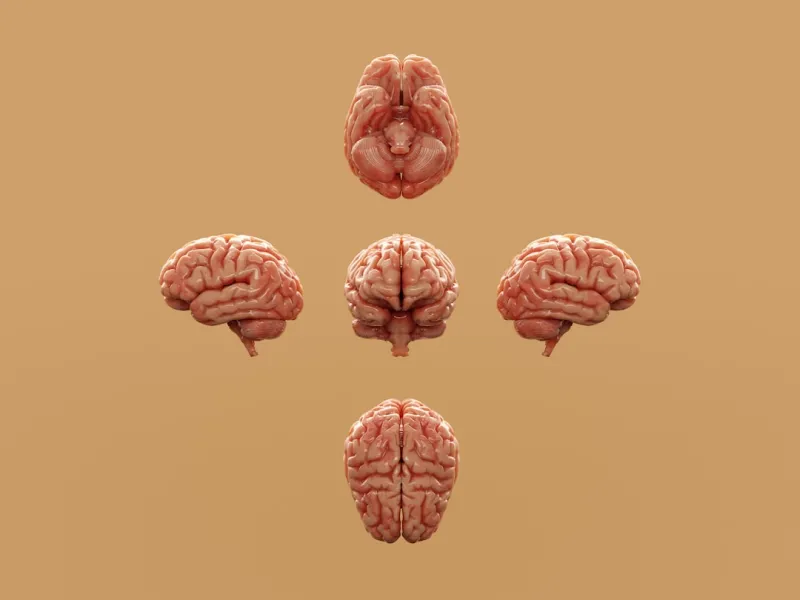
Holistic Strategies to Boost Brain Health and Cognitive Vitality
Explore a holistic blueprint for brain health, covering nutrition, sleep, movement, stress managemen... Read More

Paula Wright’s Holistic Blueprint for a Sharper, Healthier Brain
Paula Wright shares her holistic roadmap to sharper thinking, blending blood pressure control, liver... Read More

Micro‑Moments: Harnessing Tiny Brain Boosts for Lasting Clarity
Learn how tiny, intentional breaks, sensory adjustments, and breathwork can transform your brain’s... Read More
Top Posts

Level Up Your Glucose: Turning Blood Sugar Management into a Game
Learn how to transform blood sugar tracking into an engaging game with clear goals, instant feedback, and rewards, turning a daily chore into a motivating adven...Read More

Unlocking Liver Health: Nutrition, Rhythm, and Resilience
A comprehensive guide reveals how aligning meals with your liver’s circadian rhythm, training adaptive stress responses, nurturing the gut‑liver axis, and f...Read More

Holistic Pregnancy: Nurturing Body, Mind, and Baby Naturally
Explore a holistic pregnancy journey that integrates gut health, gentle physiotherapy, sleep strategies, and community support for a balanced, empowering experi...Read More

Reframing Menopause: A Data‑Driven Playbook for Women in Transition
A fresh, evidence‑backed playbook shows women how to use wearables, quick movement bursts, nutrition, and health‑insurance perks to turn menopause into an e...Read More
0 Comments
Post Comment
You will need to Login or Register to comment on this post!