

Why Brain Health Is the New Wellness Frontier
In the whirlwind of modern life, I’ve learned that nurturing the brain is no longer a luxury but a survival skill, especially when deadlines, digital overload, and constant connectivity conspire to fog our mental clarity. Neuroplasticity reminds us that the brain adapts to the habits we feed it, so every cup of coffee, midnight scroll, and rushed meal is an opportunity—or a threat—to sculpt our cognitive landscape. My own journey has shown that aligning mindset, movement, and micronutrients creates a resilient neural network that not only processes information faster but also guards against the silent erosion of age‑related decline.
The Power of Blood Pressure Management for Cognitive Longevity
When I first noticed my mind drifting during meetings, a routine check revealed elevated blood pressure, a stealthy antagonist that can damage tiny cerebral vessels and impair memory retrieval. By diving into Manage Blood Pressure Like a Pro: Craig Brett’s Holistic Playbook, I discovered a blend of low‑sodium culinary tricks, breath‑focused meditation, and gentle interval training that steadied my numbers and sharpened my focus. The takeaway? Consistently keeping systolic pressure below 120 mmHg is a protective shield, allowing oxygen‑rich blood to flood the hippocampus and preserve the very fabric of thought.
Liver Health: The Unsung Ally of Brain Function
Most people think liver health belongs only to detox trends, yet the organ is a biochemical powerhouse that filters toxins, balances hormones, and manufactures essential lipids for myelin—the protective sheath around neurons. Exploring The Liver’s Secret Power: A Holistic Blueprint for Whole‑Self Wellness opened my eyes to the symbiotic relationship between hepatic efficiency and cognitive stamina; when the liver clears ammonia and inflammatory by‑products, the brain operates in a low‑noise environment, free from fog. Simple practices like sipping dandelion root tea, scheduling weekly leafy greens meals, and limiting processed sugars have turned my liver into a silent partner in mental clarity.
Nutrition Strategies That Feed Both Brain and Body
My kitchen has become a laboratory where I test the brain‑boosting potential of omega‑3‑rich salmon, antioxidant‑laden blueberries, and turmeric‑spiced lentils, each ingredient chosen for its ability to reduce oxidative stress and support synaptic plasticity. I’ve adopted the “Rainbow Plate” rule: every meal must contain at least three colors, guaranteeing a spectrum of phytonutrients that cross the blood‑brain barrier to nourish neurons. Moreover, I time my protein intake around workouts to supply amino acids that act as neurotransmitter precursors, ensuring that my brain stays alert during both the gym and the boardroom.
Movement as a Neuroprotective Ritual
Beyond the aesthetic benefits, I view exercise as a prescription for cognitive health; aerobic sessions increase cerebral blood flow, while resistance training elevates BDNF (brain‑derived neurotrophic factor), a molecule that fuels new neural connections. I schedule 30‑minute brisk walks at sunrise, pairing them with mindful observation of nature, which simultaneously trains my visual‑spatial processing and reduces cortisol spikes. The consistency of moving daily has translated into sharper problem‑solving skills, quicker recall, and an overall sense of mental buoyancy that no stimulant can replicate.
Sleep Hygiene: The Nighttime Reset Button
Sleep used to be an afterthought for me until I experienced a week of relentless fatigue that left my brain in a haze resembling a fogged mirror. Implementing a strict wind‑down routine—dim lights at 9 p.m., a short journaling session, and a magnesium‑rich bedtime snack—has transformed my sleep architecture, allowing me to cycle through restorative REM and deep‑sleep phases essential for memory consolidation. The result? My mind now processes complex information with the ease of a well‑oiled machine, and I wake each morning feeling mentally refreshed rather than merely rested.
Stress Management Through Holistic Practices
Chronic stress is the silent thief that steals focus, erodes gray matter, and accelerates neurodegeneration, so I’ve woven mindfulness, breathwork, and creative expression into my daily schedule to keep the stress response in check. A 10‑minute morning meditation, followed by a quick sketch in my journal, acts as a neural reset, lowering cortisol and activating the parasympathetic nervous system. When stress levels dip, the prefrontal cortex regains its executive power, enabling me to make clearer decisions and stay present in high‑pressure moments.
Integrating a Holistic Blueprint for Ongoing Brain Vitality
My overarching strategy, inspired by Brain Health Mastery: A Holistic Blueprint for Sharper Thinking and Lasting Wellness, is a seamless loop of assessment, adjustment, and celebration: I track blood pressure, liver enzymes, sleep quality, and mood metrics, then fine‑tune nutrition, movement, and stress‑relief tactics accordingly. This data‑driven yet compassionate approach ensures that every facet of my lifestyle contributes to a resilient, vibrant brain, turning what once felt like a juggling act into a harmonious symphony of well‑being.

Related Posts
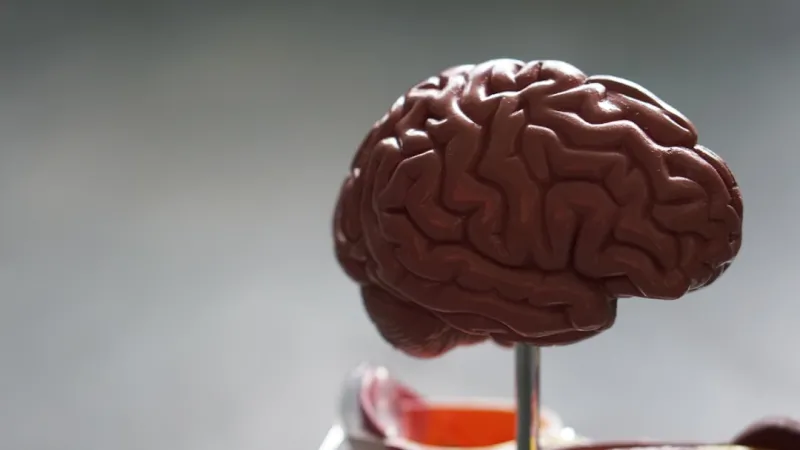
Unlocking Brain Health: Holistic Strategies for a Sharper Mind
Explore practical, holistic strategies that nurture sleep, gut health, exercise, stress relief, and ... Read More
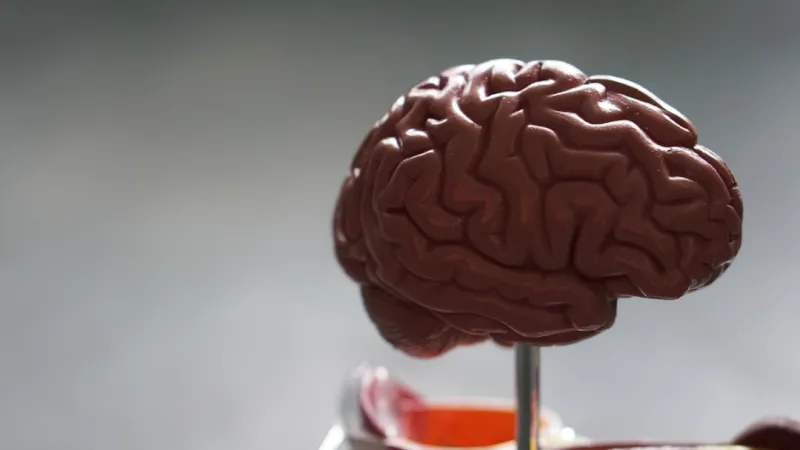
Navigating Brain Health: A Journey Through the Complexities of Mental Wellbeing
Maintaining good brain health is a lifelong journey that requires a comprehensive approach. Learn ho... Read More
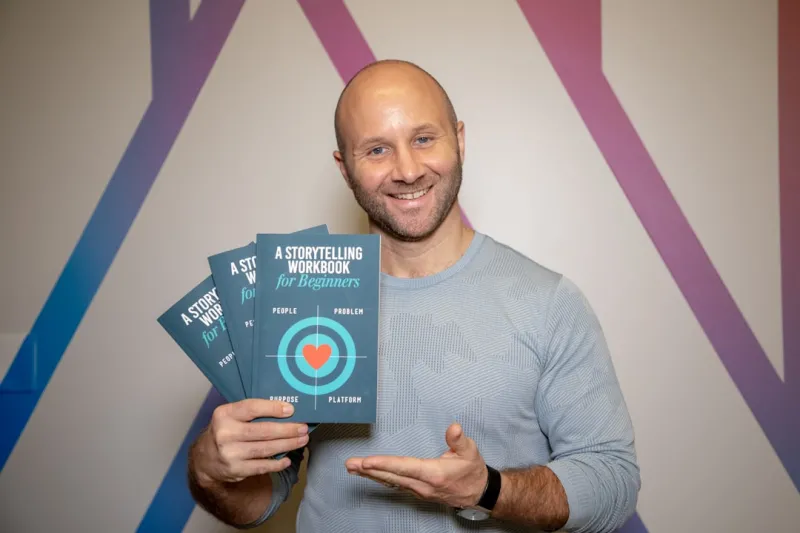
Brain Health Mastery: A Holistic Blueprint for Sharper Thinking and Lasting Wellness
Explore a holistic roadmap to sharpen your mind—covering gut health, sleep, stress, movement, tech... Read More
Top Posts
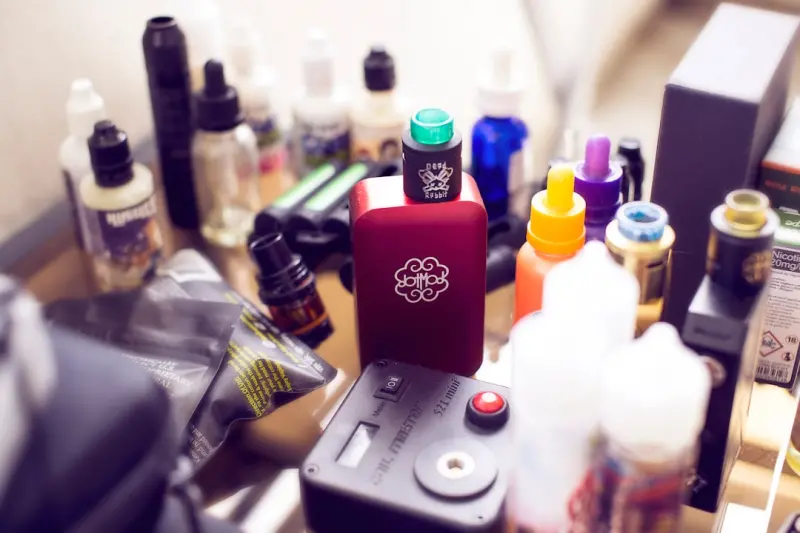
The Creative Rituals Behind Modern Vaping
Explore vaping beyond nicotine: a personal journey into creativity, social connection, and eco‑friendly practices that transform each puff into a mindful ritu...Read More

Period Power: Harness Your Cycle for Health & Performance
Discover how syncing your diet, workouts, and mental practices with each phase of your menstrual cycle can transform hormonal fluctuations into a strategic adva...Read More

Unmasking the Flavor Frontier: How Modern E‑Liquids Shape Your Respiratory Micro‑World
A deep dive into the complex chemistry of flavored e‑liquids reveals how they affect the respiratory microbiome, offering breathwork techniques, flavor‑cycl...Read More

Seasonal Gardening: A Fresh Path to Healthy Aging
Seasonal gardening offers a unique blend of low‑impact exercise, cognitive stimulation, vitamin D exposure, gut‑friendly nutrition, and community connecti...Read More
0 Comments
Post Comment
You will need to Login or Register to comment on this post!