
My Nightly Battle: How I Learned to Listen to My Own Breathing
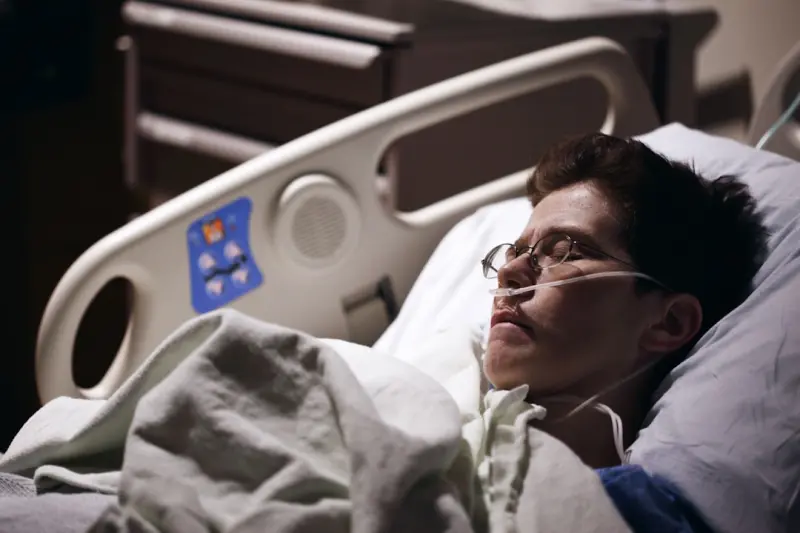
When I first woke up feeling like I had run a marathon in my sleep, I chalked it up to stress from work deadlines and the endless grocery lists that seemed to multiply overnight. It wasn’t until my partner gently nudged me about the strange “snore‑like” pauses that I started questioning the quiet moments between breaths. The revelation hit me during a routine check‑up when my doctor asked, “Do you ever feel gasping for air at night?” I laughed, assuming it was a joke, but the seriousness in his eyes told a different story. That conversation sparked a months‑long investigation into a condition I had only heard whispered about at the doctor’s office – sleep apnea – and it forced me to confront the fact that my body had been sending SOS signals while I was supposed to be recharging.
Debunking the Myths: Sleep Apnea Isn’t Just About Snoring
One of the biggest misconceptions I encountered was that sleep apnea is simply a noisy night’s problem, something you can ignore if you’re not the one making the racket. In reality, the disorder is a silent thief that steals oxygen, disrupts REM cycles, and can silently erode cardiovascular health. I used to think “snore‑free” meant “apnea‑free,” only to discover that many people experience “silent apnea,” where the airway collapses without an audible snort. Another myth that lingered in my mind was that only heavy‑set, middle‑aged men suffer from it; yet, studies show that women, especially post‑menopausal, and even slender athletes can be equally vulnerable. Understanding these nuances helped me shed the shame and approach the condition with the scientific curiosity it deserves, rather than the stigma that often accompanies sleep disorders.
The Ripple Effect: How a Stopped Breath Changed My Daytime Life
Living with untreated sleep apnea turned my mornings into a foggy battlefield. I found myself reaching for coffee not out of habit, but as a desperate lifeline to stay afloat through meetings that felt like marathon marathons. My concentration waned, memory lapses became frequent, and irritability crept into interactions with loved ones. I even started noticing a subtle weight gain, a paradoxical side‑effect of a condition that thrives on excess tissue around the airway. The emotional toll was equally profound; I felt disconnected from my own body, as if I were watching my life from a distance while my brain struggled to process incomplete rest. These cascading symptoms highlighted that sleep apnea isn’t a nighttime nuisance—it’s a full‑body cascade that demands attention before it spirals into chronic health issues.
From the Lab to the Bedroom: Navigating the Diagnostic Maze
My first step toward clarity was scheduling an overnight polysomnography at a nearby sleep center. The night felt like a blend of a hotel stay and a clinical experiment; wires attached to my chest, a mask that felt like a tiny parachute, and a technician monitoring my vitals from a glass‑enclosed station. The results were startling: a moderate obstructive sleep apnea with an apnea‑hypopnea index (AHI) of 22. While the numbers were intimidating, the report also offered a roadmap—options ranging from continuous positive airway pressure (CPAP) to lifestyle adjustments. I left the lab with a prescription, a machine, and a notebook full of questions. The process taught me that diagnostics are not just about data; they are about empowerment, giving you a concrete starting point to reclaim your sleep and, ultimately, your health.
Beyond CPAP: Exploring Alternative Therapies That Fit My Lifestyle
Although CPAP remains the gold standard, I quickly realized that a one‑size‑fits‑all approach doesn’t always align with personal comfort or daily routines. I explored a mandibular advancement device, a custom‑fitted oral appliance that gently pushes the lower jaw forward, keeping the airway open without the hum of a machine. The device required a few weeks of adjustment, but it offered a quieter, more portable solution for nights away from home. I also experimented with positional therapy—using a specialized pillow that encourages side‑sleeping, which reduces airway collapse for many sufferers. Incorporating breathing exercises like the Buteyko method helped me become more aware of my nasal airflow, gradually reducing reliance on supplemental oxygen. These alternatives didn’t replace CPAP entirely, but they provided a flexible toolkit that respected my lifestyle and travel schedule.
Designing a Sleep‑Apnea‑Friendly Sanctuary: Small Tweaks, Big Impact
Creating a bedroom environment that supports unobstructed breathing is surprisingly straightforward once you know what to look for. I started by swapping my old pillow for a cervical‑support pillow that maintains neck alignment, preventing the tongue from sliding backward during sleep. Adding a humidifier kept the nasal passages moist, reducing the likelihood of congestion that can exacerbate apnea episodes. I also invested in an air purifier with a HEPA filter; cleaner air meant fewer irritants that trigger inflammation in the airway. Finally, I dimmed the lights an hour before bed and turned off screens, allowing my body’s melatonin production to rise naturally—a subtle cue that signals the brain to transition into deeper, restorative sleep stages. These intentional changes, though modest, created a cohesive ecosystem that complemented my medical treatments and enhanced overall sleep quality.
Travel Hacks: Keeping Your Therapy Effective on the Go
One of my biggest anxieties was how to manage my sleep apnea while traveling, especially during long flights and unfamiliar hotel rooms. I discovered that most airlines allow CPAP machines as carry‑on luggage, provided you have a physician’s note and a power converter if needed. Packing a compact travel‑size humidifier and a spare mask ensured I could replicate my home setup wherever I landed. When staying in hotels, I called ahead to request a quiet room away from street noise, and I brought my own pillow to maintain consistent neck support. For road trips, a portable battery pack kept my CPAP powered during overnight stops. By treating my therapy gear as essential travel companions rather than optional accessories, I eliminated the stress of “what‑if” scenarios and could focus on the adventure instead of the airway.
Finding Community: The Strength of Shared Experience
Living with sleep apnea can feel isolating, but connecting with others who understand the journey turns that isolation into solidarity. I joined an online forum where members swap tips on mask fit, share success stories about mandibular devices, and recommend reputable manufacturers. The camaraderie reminded me that I wasn’t alone in battling the nightly interruptions. I also found that practices aimed at improving overall sleep health, such as evening journaling for better sleep, can complement apnea treatment by reducing pre‑bedtime anxiety. When I started experimenting with a holistic night‑routine inspired by the fresh playbook to beat insomnia, I noticed my daytime energy levels climb, reinforcing the idea that sleep health is an ecosystem where each habit supports the other.
Empowerment Through Knowledge: Turning a Diagnosis Into a Catalyst
My journey with sleep apnea taught me that a diagnosis is not a death sentence but a catalyst for deeper self‑care. By embracing the condition, I’ve learned to listen more intently to my body’s signals, to prioritize sleep as a non‑negotiable pillar of health, and to advocate for myself in medical settings. The tools I’ve gathered—be it a CPAP machine, an oral appliance, or a thoughtfully designed bedroom—are all extensions of that advocacy. I encourage anyone reading this to view their own sleep apnea story not as a burden, but as an invitation to redesign their relationship with rest, health, and well‑being. When you take ownership of your sleep, you reclaim the energy, clarity, and joy that have been waiting just beyond the night’s quiet breath.

Brandy Miller is a dynamic freelance writer based in the vibrant city of Cambridge, Ontario. With a passion for storytelling that knows no bounds, she crafts compelling narratives that captivate and inspire. Brandy’s love for writing shines through in her versatile work, whether she’s penning thought-provoking articles or engaging content that resonates with readers. Her unique perspective and friendly tone make her a sought-after voice in the writing community. When she’s not weaving words together, you can find her exploring the beautiful landscapes of Ontario, always seeking new adventures and inspiration for her next piece. Brandy is not just a writer; she’s a creative force, making her mark one word at a time.
Related Posts
The Hidden Dangers of Sleep Apnea: A Holistic Approach to Diagnosis and Treatment
Sleep apnea is a serious sleep disorder that affects millions of people worldwide. Learn about the c... Read More

Unlocking Peak Performance: How Untreated Sleep Apnea Undermines Business Success
Sleep apnea silently erodes cognitive sharpness and physical stamina, costing businesses millions. T... Read More
My Holistic Journey Through Sleep Apnea: Breathing New Life Into Rest
From breathing exercises to gut health, I share my personal, holistic strategies for managing sleep ... Read More
Top Posts

Breaking the Midnight Loop: Narrative Strategies to Reclaim Rest
Learn how to use narrative reframing, micro‑storytelling, and future‑self dialogue to break the insomnia cycle and achieve deeper, faster sleep....Read More

Rethinking Liver Health: The Microbiome‑Liver Connection and Digital Tools
Discover how a thriving microbiome, smart eating windows, and wearable insights can transform liver health, offering practical steps and future tech predictions...Read More

Navigating the Dark: A Personal Blueprint for Taming Sleep Terrors
A candid, expert‑level journey through the hidden triggers of sleep terrors and actionable strategies to reclaim calm nights....Read More
Why Your Smile Is the Secret Weapon for a Sharper Mind
A fresh look at brain health reveals that maintaining good oral hygiene and healthy gums can reduce neuroinflammation, support neurotransmitter balance, and imp...Read More
0 Comments
Post Comment
You will need to Login or Register to comment on this post!