
Seeing the Invisible: My Day‑to‑Day Landscape with Autoimmune Disease
Living with an autoimmune condition feels like walking through a fog that shifts its density every morning, sometimes thin enough to see the horizon, other times so thick that even simple tasks feel like wading through quicksand; I have learned to read the subtle cues of my body, the ache in my joints, the sudden heat of a flare, and the quiet sigh of fatigue that whispers before a storm. Over the years I have built a personal dashboard of symptoms, noting patterns that help me anticipate the next wave and adjust my schedule before the body rebels, a habit that feels both scientific and intimate, a kind of self‑directed research lab where I am both subject and researcher. This constant vigilance has taught me that the narrative of autoimmune disease is not a static story of limitation but a living script that I can edit, pause, and rewrite, especially when I invite creative tools into the rehearsal room of my life.
Turning Pain into Paint: How Art Became My First Therapy
When the first flare knocked me off my feet, I reached for the nearest canvas instead of the pharmacy, splashing bold strokes of crimson and indigo as a way to externalize the storm raging inside; each brushstroke acted like a pulse, translating invisible inflammation into visible texture, and I quickly realized that the act of creating could lower my cortisol levels almost as effectively as a prescribed anti‑inflammatory. Over time, I experimented with different mediums—watercolors for their fluid calm, charcoal for its raw grit, and collage for the way fragments can be re‑assembled into new wholes—discovering that each medium mirrored a different facet of my healing journey and offered a safe space to process emotions without the judgment of a clinical setting. This practice evolved into a ritual: before bedtime I would spend fifteen minutes with my sketchbook, allowing the colors to dissolve the day's tension, and I found that the lingering sense of accomplishment often delayed the onset of nighttime pain, turning the canvas into a silent ally in my immune battle.
Storytelling as a Symptom Tracker
Beyond visual art, I began to write short vignettes about each flare, assigning each episode a character, a setting, and a plot twist; this narrative mapping turned abstract numbers on a blood test into a living story that I could share with my healthcare team, and surprisingly, they responded more empathetically when they could picture my experience as a story rather than a spreadsheet of lab values. By framing my symptoms as chapters, I could also identify recurring villains—stress at work, certain foods, lack of sunlight—and give them names, which made it easier to negotiate boundaries and plot a strategic retreat; this approach reminded me of the power of turning symptoms into a story, a technique that transforms data into meaning and fuels actionable change. The habit of daily journaling has now become a cornerstone of my self‑care, allowing me to see progress over weeks, celebrate small victories, and maintain hope when the narrative feels bleak.
Nutrition Meets Narrative: Feeding the Body and the Story
While creativity soothed my mind, I soon realized that the foods I chose were characters in my health saga, some playing heroes and others masquerading as villains; I started to experiment with fermented foods, not just for their probiotic reputation but because their tangy flavors reminded me of the complex layers in a good novel, each bite offering a plot twist for my gut microbiome. Research shows that a well‑balanced microbiome can modulate immune responses, and after integrating kimchi, sauerkraut, and kefir into my meals, I noticed a subtle yet consistent reduction in gastrointestinal flare‑ups, a change I documented in my story journal to confirm the correlation. To fine‑tune this culinary narrative, I also explored the concept of timing my meals, aligning larger meals with periods of lower inflammation markers, and I found that this chrono‑smart approach helped smooth the peaks and valleys of my energy, reinforcing the idea that when food and story work together, the body listens more kindly.
The Mind‑Body Bridge: Meditation, Breath, and Gentle Movement
Even as my art and diet evolved, the invisible tension in my shoulders and the lingering fog of brain fog reminded me that the nervous system still needed a calming anchor; I turned to mindfulness meditation, not as a lofty spiritual practice but as a practical tool to observe the flare without immediately reacting, training my mind to sit with discomfort like a patient reader of a challenging novel. I paired this with gentle movement—yoga flows that emphasized breath over stretch, tai chi sequences that felt like slow, intentional brushstrokes across a canvas—and discovered that each session reduced the frequency of my joint stiffness, as if the rhythmic motion was rewiring the pain pathways in my brain. These practices, when woven into my daily routine, created a feedback loop: the calmer my mind, the less my immune system overreacted, and the less my immune system overreacted, the easier it became to stay present in my creative work, completing a virtuous cycle of healing.
Building a Tribe: The Power of Shared Creativity
One of the most transformative discoveries was that my personal healing accelerated when I opened my studio doors to others navigating similar autoimmune journeys, forming a small community of artists who exchanged palettes, stories, and coping strategies; the group’s weekly meet‑ups became a sanctuary where we could paint our pain, laugh at our quirks, and celebrate each other's breakthroughs, turning isolation into collective resilience. Through these gatherings I learned about the value of peer accountability, as members would gently remind each other to log meals, take medications, or simply breathe during a flare, and the shared creative projects—collaborative murals, communal poetry—served as visual testaments to our collective strength, reinforcing the belief that we are not solitary sufferers but members of a supportive ecosystem. This sense of belonging not only uplifted my spirit but also provided practical tips—like a favorite anti‑inflammatory smoothie recipe or a calming playlist—that I could integrate into my own routine, illustrating how community can be a catalyst for sustained wellness.
Advocating Within the Healthcare System
Navigating doctors' offices with an invisible illness can feel like trying to convince a skeptic that a subtle brushstroke matters; I learned to become my own advocate by preparing concise symptom narratives, bringing visual aids from my art to illustrate pain patterns, and asking targeted questions about treatment options, which often opened doors to alternative therapies that traditional appointments overlook. By presenting my health story as both data and art, I was able to engage my physicians in a more collaborative dialogue, leading to adjustments in medication timing that aligned with my chrono‑smart eating plan, and I even introduced them to the concept of benefits of fermented foods as a complementary approach, which they appreciated as a low‑risk intervention. This proactive stance has not only improved my treatment outcomes but also empowered me to view the healthcare relationship as a partnership, where I bring the lived experience and creative insights, and the clinician contributes medical expertise, together co‑authoring a healthier chapter.
Looking Ahead: A Canvas of Possibilities
As I stand before a fresh, unmarked canvas each morning, I see more than just paint; I see a metaphor for the future of autoimmune care—one where science, art, nutrition, and community intertwine to create a holistic masterpiece, each brushstroke representing a step toward equilibrium; I envision a world where clinicians routinely ask patients to describe their symptoms through storytelling, where hospitals host art therapy rooms, and where nutrition is prescribed as poetically as medication. While the journey remains unpredictable, the tools I have gathered—creative expression, mindful eating, supportive allies—form a resilient palette that equips me to face each flare with curiosity rather than fear, turning every setback into an opportunity to add depth and texture to my evolving masterpiece. In this ever‑changing artwork of life, I have learned that the most vibrant colors often emerge from the darkest shades, and with each new hue I embrace, I paint a brighter, more empowered version of myself.
Related Posts
Reclaiming Balance for Autoimmune Health
A practical, data‑driven guide that blends gut‑reset nutrition, micro‑stress hygiene, environm... Read More
Decoding Autoimmune Disease for High‑Performance Professionals
A comprehensive guide for executives on recognizing, monitoring, and managing autoimmune disease to ... Read More
Listening to the Quiet War Within: A Data‑Driven Playbook for Autoimmune Balance
A comprehensive guide that blends personal data tracking, gut health, circadian rhythm, and communit... Read More
Top Posts
Tune Into Your Body’s Hidden Cleanse: Vibrational Detox for Modern Life
A new detox method that goes beyond diet, combining diaphragmatic breathing, low‑frequency sound, brief cold exposure, and purposeful scents to enhance the bo...Read More
Finding Quiet Strength: A Personal Journey Through Cancer and Everyday Resilience
A candid look at cancer through everyday courage, practical nutrition, mindful movement, and community support that empower lasting resilience....Read More
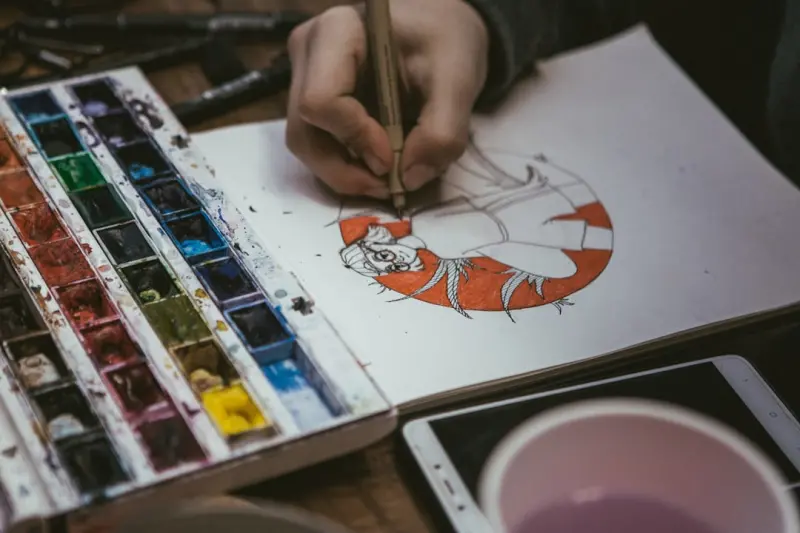
Creative Healing: Art & Storytelling in Cancer Recovery
From paintbrushes to personal narratives, I share how creative outlets turned my cancer battle into a journey of empowerment, resilience, and renewed purpose....Read More
When Insomnia Becomes a Business Asset: Rethinking Sleep Loss in the Modern Workplace
A fresh look at insomnia reveals hidden costs and untapped creative potential for businesses. Learn data‑driven strategies to redesign work structures, boost ...Read More
0 Comments
Post Comment
You will need to Login or Register to comment on this post!