
When I first retired, I imagined my days would be filled with crossword puzzles, gentle walks, and the occasional garden tea. What I didn’t anticipate was how a simple, intentional shift toward curiosity could transform every facet of my health—mental, physical, and emotional. I’ve spent the past decade experimenting, reading, and, most importantly, asking questions. The results have been nothing short of astonishing, and I’m convinced that nurturing a curious mindset is the hidden catalyst for thriving senior years.
The Science Behind Curiosity
Curiosity isn’t just a feel‑good habit; it’s a neurobiological driver. When we explore the unknown, our brain releases dopamine, the same neurotransmitter that fuels learning, motivation, and reward. This dopamine surge strengthens neural pathways, especially in the prefrontal cortex and hippocampus—areas critical for memory, decision‑making, and emotional regulation. In older adults, preserving these pathways can delay cognitive decline and keep the mind agile.
Beyond dopamine, curiosity also triggers the release of norepinephrine, which sharpens attention and heightens alertness. The combination of these chemicals creates a feedback loop: the more we learn, the more motivated we become to continue learning. This loop is a potent antidote to the “mental fog” that many seniors attribute to aging.
Curiosity Fuels Brain Health
Research shows that lifelong learners have a lower risk of Alzheimer’s and other dementias. The key is cognitive reserve—the brain’s ability to improvise and find alternate pathways when faced with damage. By constantly challenging ourselves with new skills—whether it’s mastering a digital camera, picking up a foreign language, or delving into genealogy—we build this reserve.
One practical method I’ve adopted is the “question‑of‑the‑day” ritual. Each morning, I jot down a question that piques my interest. It could be as simple as “How do honeybees communicate?” or as complex as “What are the economic impacts of renewable energy in coastal towns?” I then spend 15‑20 minutes researching the answer, using books, reputable websites, or a quick call to a knowledgeable friend. This habit not only expands my knowledge base but also reinforces my ability to seek, evaluate, and synthesize information—a critical skill set that keeps my gray matter vibrant.
Curiosity Moves the Body
Physical health and curiosity are more intertwined than most realize. Trying new activities—dance classes, tai chi, or even a beginner’s rock‑climbing group—forces the body to adapt. This adaptation promotes neuroplasticity, the brain’s capacity to rewire itself in response to new physical demands.
For instance, I recently joined a low‑impact water aerobics class after reading about the benefits of resistance training in water for joint health. The novelty of the environment kept me engaged, and the gentle resistance helped maintain muscle mass without the strain of traditional weightlifting. Over time, I noticed improved balance, fewer aches, and a renewed sense of confidence navigating stairs.
Social Bridges Through Shared Learning
Curiosity also acts as a social magnet. When you pursue a new interest, you naturally gravitate toward communities that share that passion. These connections combat the isolation that can creep in during senior years. Whether it’s a book club, a community garden, or an online forum for vintage car enthusiasts, shared learning creates a sense of belonging.
My weekly “Story Swap” group began as a curiosity‑driven experiment. I asked a neighbor if she’d like to share a story from her youth, and the idea snowballed into a gathering where each participant brings a personal anecdote, a favorite recipe, or a hobby demonstration. The result? Laughter, tears, and a deep intergenerational bond that enriches us all.
Practical Ways to Ignite Curiosity
Below are actionable steps you can weave into your daily routine to cultivate curiosity and reap its health benefits:
- Set a “Discovery Hour.” Dedicate one hour each week to explore a topic you know nothing about. Use libraries, podcasts, or community workshops.
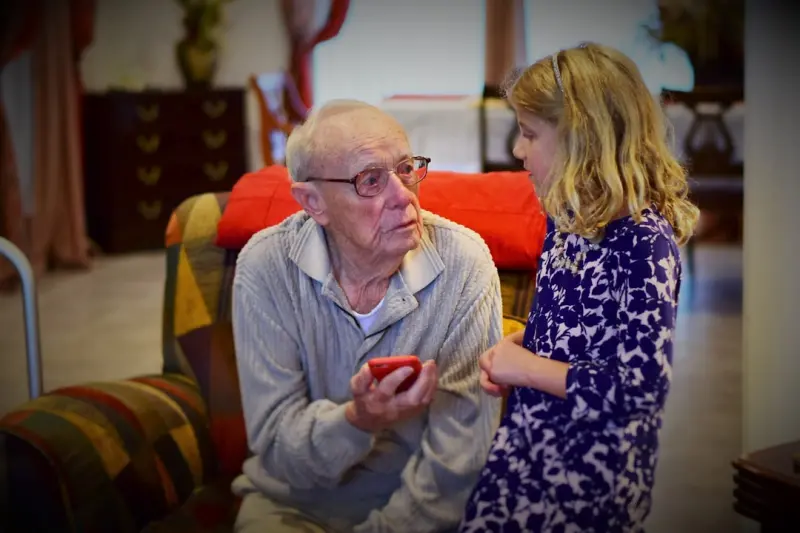
- Swap Roles. If you’re comfortable with technology, mentor a grandchild or neighbor on using a smartphone. In return, let them teach you something new—perhaps a video game or a social media platform.
- Rotate Hobbies. Instead of sticking to one pastime, try rotating between three different activities each month. This keeps the brain and body guessing.
- Ask “What If?” When faced with a routine task, ask yourself, “What if I did this differently?” This simple reframing can lead to creative solutions and keep the mind nimble.
- Document Your Journey. Keep a curiosity journal. Write down questions, resources, and reflections. Revisiting past entries reminds you of how far you’ve come and fuels future inquiries.
Tech Tools for Curious Seniors
Technology, when approached with an open mind, can be a powerful ally. Here are a few platforms that have helped me stay curious and connected:
- Online Course Platforms like Coursera and edX offer free or low‑cost classes on everything from art history to coding. Choose a beginner’s track and progress at your own pace.
- Virtual Book Clubs hosted on Zoom or Discord allow you to discuss literature with readers across the globe, exposing you to diverse perspectives.
- Podcast Aggregators such as Spotify or Apple Podcasts make it easy to subscribe to shows that explore science, travel, and human stories—perfect for that question‑of‑the‑day routine.
For those concerned about the learning curve, check out our guide on Redefining Muscle Gain for Busy Professionals. While the focus is on fitness, the step‑by‑step approach to mastering new habits applies directly to learning new tech tools.
Real Stories: Seniors Who Got Their Spark Back
Below are three inspiring examples of seniors who embraced curiosity and witnessed tangible health improvements:
- Marjorie, 78, began a weekly astronomy club after reading about the night sky. The excitement of tracking constellations encouraged nightly walks, improving her cardiovascular health and giving her a reason to rise early.
- Tom, 71, tackled digital photography after seeing a neighbor’s Instagram feed. Learning composition and lighting sharpened his visual perception, and the regular outings to scenic spots boosted his vitamin D levels.
- Elaine, 82, joined a local culinary exchange where seniors swap recipes from their heritage. Exploring new flavors and cooking techniques revived her appetite, helped regulate her blood sugar naturally, and provided a platform for social interaction. For more on how subtle dietary shifts can impact energy, see Tiny Shifts for Consistent Energy.
Integrating Curiosity Into Your Health Plan
When you meet with your healthcare provider, consider discussing a “curiosity prescription.” Just as you might receive a medication regimen, you can co‑create a schedule of learning activities that align with your health goals. For example, if you’re managing arthritis, you could explore gentle yoga or tai chi—both of which blend physical movement with mindful inquiry.
Remember, the goal isn’t to become a prodigy in every field. It’s to keep the brain active, the body moving, and the heart connected. By weaving curiosity into the fabric of daily life, you create a self‑reinforcing cycle of health benefits that grow richer with each passing year.
So, dear readers, I challenge you to pick one curiosity‑spark that has been lingering on the back of your mind. Write it down, research it, and share your discoveries with a friend or community group. The ripple effect will extend far beyond the knowledge you gain—it will nourish your mind, body, and spirit in ways you may never have imagined.

Becky Putman is an Ottawa-based freelance writer and marketing professional with a passion for storytelling, animals, and community involvement. She enjoys creating engaging content that informs, inspires, and connects with readers.
Related Posts

The Digital Lifeline: How Tech‑Savvy Communities Are Redefining Senior Wellness
Digital neighborhoods are transforming senior health by combining live‑link communities, micro‑m... Read More
The Healing Power of Shared Music for Senior Wellness
Music isn’t just background noise—it’s a potent health tool for seniors. In this post, Becky P... Read More
Revitalizing Senior Minds: Hobbies, Community, and Nutrition for Cognitive Health
Explore fresh strategies for senior cognitive health—creative hobbies, community “prescriptions,... Read More
Top Posts

Beyond the Haze: How Vaping Is Redrawing the Map of Urban Sustainability
A deep dive into vaping’s hidden environmental costs, emerging policies, and the innovative design shifts that could turn disposable pods into a catalyst for ...Read More
Physiotherapy in 2024: A Holistic Revolution from Paul Gray’s Perspective
Paul Gray explores the 2024 shift in physiotherapy, blending holistic health, tech tools, and functional movement to empower patients and redefine recovery....Read More
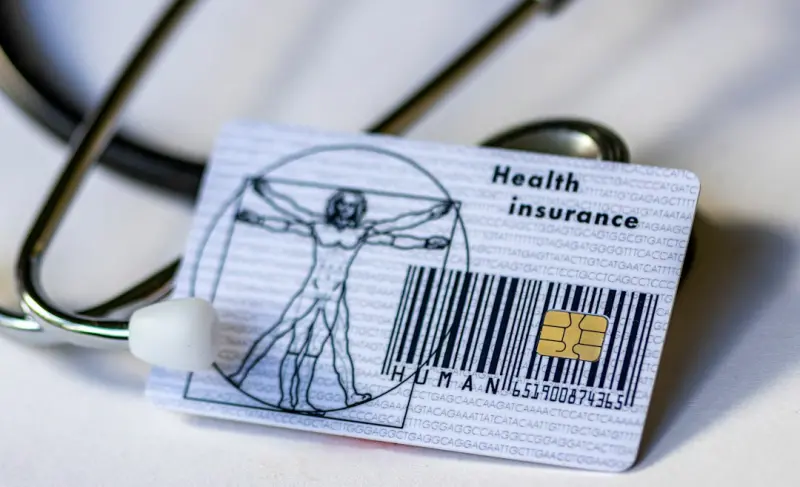
Why Your Health Insurance Strategy Needs a Personal Data Makeover
Learn how to audit, translate, and leverage your own health metrics to negotiate better insurance premiums, tailor wellness incentives, and safeguard against hi...Read More

Finding Your Blood Sugar Groove: Rhythm, Food, and Everyday Flow
Discover a fresh, rhythm‑focused approach to blood‑sugar control that blends meal pacing, movement micro‑breaks, ambient sound, and seasonal tweaks for sm...Read More
0 Comments
Post Comment
You will need to Login or Register to comment on this post!