
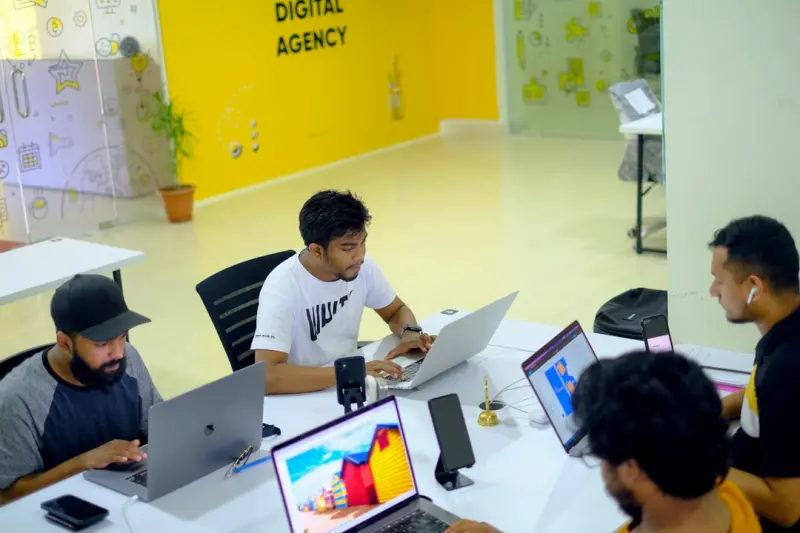
Why “Digital Neighborhoods” Are the New Wellness Hubs for Seniors
When I first stepped into a community center that doubled as a co‑working space for retirees, I expected to see knitting circles and bingo tables. Instead, I found a vibrant hub buzzing with tablets, virtual‑reality headsets, and a wall of screens displaying live fitness classes. It hit me: seniors are no longer on the sidelines of the tech revolution—they’re steering the conversation about what health looks like in later life. This shift isn’t just about gadgets; it’s about harnessing connection, purpose, and gentle movement to combat the silent enemies of aging—cognitive drift, social isolation, and the gradual loss of functional strength.
From Loneliness to “Live‑Link” Communities
Social isolation has long been flagged as a mortality risk factor for older adults, yet the solutions offered have often been limited to in‑person clubs that demand transportation and rigid schedules. The pandemic accelerated a new model: live‑link communities—online ecosystems where seniors can join interest‑based groups, attend real‑time exercise streams, and even travel the world via VR without leaving their living room. These digital neighborhoods are built on three pillars:
- Accessibility: Devices are now designed with larger icons, voice‑activation, and simplified interfaces that reduce the learning curve.
- Purpose‑Driven Content: From guided meditation sessions to “memory‑lane” photo storytelling, the content is curated to stimulate both mind and body.
- Peer‑Led Leadership: Seniors themselves become moderators, instructors, and ambassadors, reinforcing a sense of agency.
When I joined a virtual book club that meets every Thursday, I discovered that the simple act of discussing a novel sparked neural pathways I hadn’t used since my college days. The community’s shared enthusiasm created a feedback loop—more conversation, more curiosity, more brain health.
Gentle Movement Meets Digital Coaching
Physical activity is the cornerstone of healthy aging, but the conventional “gym‑time” narrative feels alien to many older adults. Enter micro‑movement programs—short, low‑impact routines that can be performed while watching a favorite show or waiting for a kettle to boil. Digital platforms now offer on‑demand classes that break these movements into bite‑size segments, often under five minutes, and pair them with real‑time biometric feedback.
One such platform I explored integrates a breathing clean module that guides seniors through diaphragmatic breathing while gently stretching the upper body. The science behind this is compelling: purposeful breathing increases oxygen saturation, reduces stress hormones, and primes the nervous system for better coordination. When paired with a micro‑strength routine—like seated leg lifts or wall push‑ups—participants report a noticeable boost in balance and confidence within weeks.
The Unexpected Role of Nutrition Monitoring in the Digital Age
Nutrition remains a silent hero in senior health, yet many older adults struggle with fluctuating blood glucose levels, which can impact mood, energy, and cognition. Modern health apps now feature seamless integration with continuous glucose monitors (CGMs), delivering insights directly to a senior’s smartphone or tablet. By visualizing glucose trends alongside activity data, seniors can make real‑time dietary adjustments without waiting for a doctor’s appointment.
For example, a user might notice a post‑lunch spike that coincides with a dip in focus during a virtual trivia night. Armed with that data, they can experiment with swapping a sugary dessert for a protein‑rich snack, observing how the change stabilizes their energy. This approach mirrors the principles outlined in stable blood sugar strategies, but it’s tailored for the everyday rhythms of senior life rather than high‑performance corporate settings.
Mind‑Body Synergy: How Virtual Reality (VR) Is Redefining Cognitive Training
Virtual reality has often been marketed to gamers, but its therapeutic potential for seniors is gaining traction. Immersive VR experiences can transport users to serene beaches, bustling marketplaces, or historic museums—all while engaging memory, spatial navigation, and problem‑solving skills. The key is “guided immersion,” where a facilitator leads participants through a scenario, prompting them to recall details, make choices, or solve puzzles.
One study I read highlighted a 30‑minute VR session that improved short‑term memory scores by 15% after just two weeks of weekly use. The magic lies in the novelty factor; new experiences stimulate neuroplasticity, the brain’s ability to rewire itself. When seniors combine VR outings with the social interaction of a shared virtual tour, they receive a double dose of cognitive reinforcement—both from the mental challenge and the communal discussion that follows.
Digital Safety Nets: Protecting Seniors in the Online World
While the benefits are clear, the digital realm also harbors risks: scams, misinformation, and privacy breaches. A thriving senior community must incorporate robust safety protocols. Here are three practical steps that have proven effective:
- Education Workshops: Short, recurring webinars that teach seniors how to spot phishing emails, manage passwords, and understand data permissions.
- Trusted Ecosystems: Platforms that require verified accounts, use end‑to‑end encryption, and provide easy ways to report suspicious activity.
- Family Integration: Features that allow loved ones to monitor activity logs (with consent) and step in if unusual patterns emerge.
When seniors feel secure, they’re more likely to explore and engage, amplifying the health benefits discussed earlier.
Case Study: “Silver Circle” – A Blueprint for Community‑Driven Wellness
To illustrate these concepts in action, let me share the story of “Silver Circle,” a digital community launched in a mid‑size city’s senior center. The initiative combined four pillars:
- Weekly Live‑Link Sessions: Book clubs, cooking demos, and music jam circles hosted on a user‑friendly video platform.
- Micro‑Movement Streams: 5‑minute strength and flexibility videos, each paired with a breathing exercise from the Breathing Clean methodology.
- Nutrition Dashboard: Integrated CGM data that allowed participants to see how meals impacted their glucose levels, encouraging healthier choices.
- VR Field Trips: Monthly immersive tours of world heritage sites, followed by group discussions that reinforced memory recall.
Within six months, participants reported a 20% reduction in self‑reported feelings of loneliness, a measurable improvement in balance tests, and an average 12‑point increase on a cognitive health questionnaire. These outcomes underscore the synergistic power of technology when it’s purposefully aligned with senior wellness goals.
Designing the Future: Recommendations for Stakeholders
For health providers, community organizers, and tech developers eager to support seniors, consider the following strategic actions:
- Co‑Create With Seniors: Involve older adults in the design process from day one. Their lived experience will surface usability insights that engineers might miss.
- Integrate Multimodal Data: Combine activity trackers, CGM readings, and even sleep data to create a holistic health portrait that can be shared (with consent) with caregivers.
- Offer Tiered Learning Paths: Start with low‑tech options (phone calls, printed guides) before moving to more advanced features, ensuring a smooth transition.
- Prioritize Interoperability: Choose platforms that can speak with existing electronic health records, making it easier for clinicians to act on the data collected.
- Measure Impact: Track not just usage metrics, but also functional outcomes—balance scores, memory assessments, and self‑reported well‑being.
When these elements align, the result is a self‑sustaining ecosystem where technology amplifies, rather than replaces, human connection.
Conclusion: Embracing the Digital Renaissance of Senior Health
The narrative that seniors are resistant to change is rapidly fading. In its place, a new story is emerging—one where older adults are savvy digital citizens, leveraging online communities, micro‑movement routines, and real‑time health analytics to live fuller, healthier lives. The “digital neighborhood” is more than a trendy buzzword; it’s a lifeline that bridges the gap between physical limitation and limitless curiosity.
As we look ahead, the most impactful innovations will be those that honor the wisdom of aging while providing tools that are intuitive, safe, and purpose‑driven. By fostering environments where seniors can connect, move, and learn together—both on‑screen and off—they’ll not only add years to their lives but also life to their years.

Deb Roberts is a freelancer who writes on various subjects, bringing versatility and depth to her work. Alongside her broad writing expertise, she has a special passion for horses.
Related Posts
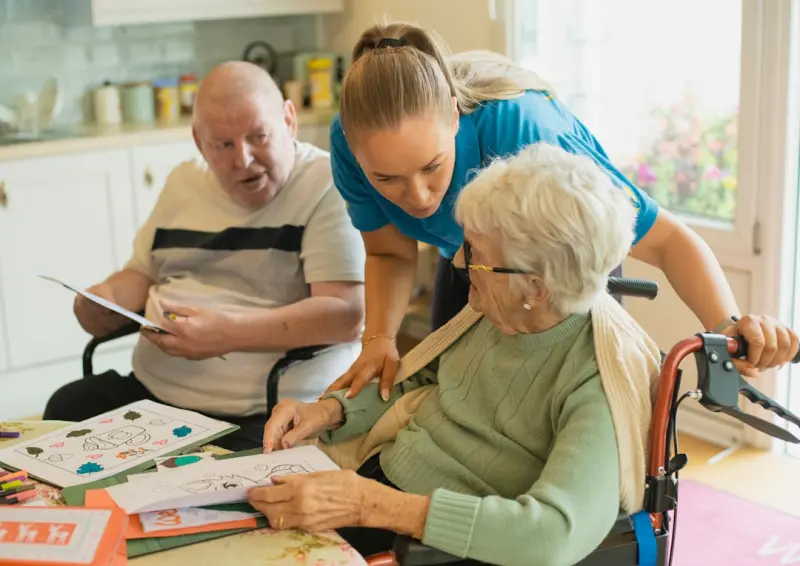
Why Picking Up a New Skill in Your 70s Can Supercharge Your Health
Learning a new skill in later life can enhance brain function, boost mood, and foster community conn... Read More
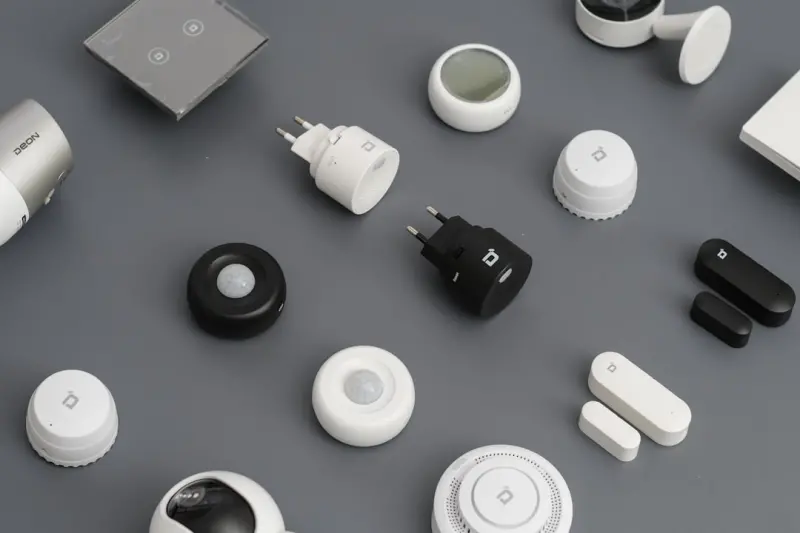
Smart Home, Safer Home: How Connected Tech Empowers Seniors to Age in Place
Smart home technology offers seniors a practical safety net, from motion‑activated lights and voic... Read More
The Importance of Mental Health in Seniors: A Comprehensive Approach
Mental health is crucial for seniors' overall wellbeing. Learn about the challenges faced by seniors... Read More
Top Posts

Curating the Everyday: A Sensory Blueprint for Graceful Aging
A fresh take on healthy aging that blends sensory variety, rhythmic daily contrasts, micro‑habits, and timed nutrition, offering practical steps to boost brai...Read More
Straight Up: Why Better Posture Is the Secret Weapon for Men’s Health
Unlock the hidden power of posture for men’s health. Learn science‑backed habits, ergonomic tweaks, and nutrition tips that boost confidence, hormone balanc...Read More

Navigating Prediabetes: A Holistic Roadmap to Balance and Vitality
I share my journey from a shocking prediabetes diagnosis to a vibrant, balanced life using holistic habits that stabilize blood sugar, boost energy, and empower...Read More
The Intersection of Physiotherapy and Holistic Wellness: A Comprehensive Guide
Explore the connection between physiotherapy and holistic wellness, and learn how integrating these approaches can promote physical, emotional, and mental well-...Read More
0 Comments
Post Comment
You will need to Login or Register to comment on this post!