
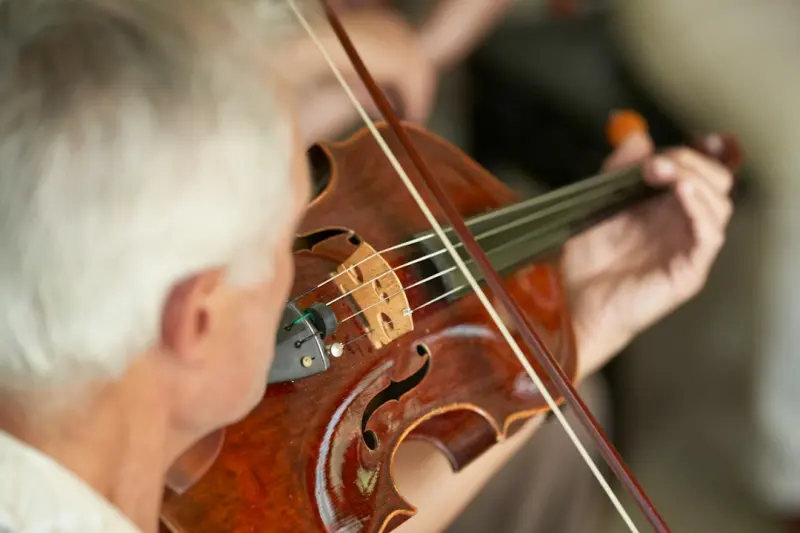
Why a Simple Song Can Be a Senior’s Secret Weapon for Health
When I was a teenager, my grandmother would sit at the kitchen table, hum a tune while she kneaded dough, and the entire house seemed to breathe a little easier. Decades later, after watching my own parents grapple with the challenges of aging, I realized that those humble moments were more than nostalgia—they were powerful, physiological interventions. Music, especially when shared across generations, can sharpen memory, lift mood, and even support physical mobility. In this post I’m pulling back the curtain on how seniors can intentionally weave music into their daily lives, and why doing so feels as natural as a favorite lullaby.
The Science Behind the Rhythm
Researchers have long known that the brain’s auditory pathways stay remarkably plastic throughout life. When a familiar melody plays, the hippocampus—our memory hub—lights up, retrieving stored experiences and emotions. For seniors, this activation can act like a gentle jog for neural circuits that may be slowing down due to age‑related changes.
Beyond cognition, music triggers the release of dopamine, the “feel‑good” neurotransmitter, which can improve mood and reduce perceived pain. A study from the Journal of Geriatric Medicine showed that seniors who listened to personally meaningful songs for just 20 minutes a day reported a 30 % reduction in depressive symptoms. The same research linked rhythmic movement (tapping a foot, clapping hands) to improved gait stability, a crucial factor in fall prevention.
From Passive Listening to Active Participation
Most of us think of music as a background soundtrack, but the greatest health benefits come when we become participants—not just listeners. Here are three ways to transform a song from background noise into a health‑enhancing activity:
- Sing‑Along Sessions: Whether it’s a choir of neighbors or a solo in the living room, singing forces controlled breathing, strengthens vocal cords, and engages the diaphragm—great for lung capacity.
- Movement to the Beat: Simple steps, chair dancing, or even rhythmic hand‑clapping can improve balance. This is where playful aging meets music, turning a song into a low‑impact workout.
- Instrument Exploration: Learning a basic instrument—like a ukulele or a set of hand‑bells—offers fine‑motor challenges and a sense of accomplishment that fuels confidence.
Creating a Musical Routine That Sticks
Like any health habit, consistency is key. I’ve found the following framework works well for seniors who may have busy schedules or limited mobility:
- Pick a “musical anchor” for each part of the day. For instance, a gentle folk tune while preparing breakfast, a classic jazz number during a mid‑morning walk, and an upbeat pop chorus before bedtime to signal winding down.
- Set a timer. Use a phone or a smart speaker to remind you to hit play. Even a five‑minute cue can be enough to shift your mood.
- Pair music with existing habits. If you take medication at 8 a.m., play a song that cues you to smile before you swallow. The brain starts linking the two actions, reinforcing both medication adherence and positive affect.
- Document the experience. Keep a simple journal—note the song, the activity, and how you felt afterward. Over weeks, patterns emerge, letting you fine‑tune your playlist for maximum benefit.
Intergenerational Jam Sessions: A Community Boost
One of the most rewarding ways to harness music’s power is to invite younger family members or neighbors to join. I organized a monthly “Story & Song” circle at my senior community center. Each session, a resident would share a memory tied to a song, then the group sang together. The result? Laughter, tears, and a noticeable lift in collective energy.
Intergenerational interaction does more than just entertain. It bridges the “digital divide” that often leaves seniors feeling isolated. When grandchildren bring a tablet loaded with playlists, they’re not only sharing tunes—they’re offering a conduit for conversation and cultural exchange. The seniors feel valued, and the youth gain a living history lesson.
Technology as a Friendly Companion, Not a Replacement
While the raw power of a vinyl record can feel nostalgic, modern tools can amplify the experience. Smart speakers, for example, can be voice‑activated, allowing seniors with limited mobility to start their favorite playlist without reaching for a remote. If you’re curious about how technology can further empower independence, check out the insights on smart home ecosystems. The article highlights simple integrations—like setting up a “music‑morning” routine that also raises lights and adjusts thermostat for a comfortable environment.
Don’t feel pressured to adopt every gadget. Even a basic MP3 player with large buttons can be a game‑changer. The goal is to keep the interface frictionless so that the focus stays on the music, not the tech.
Tailoring Playlists for Specific Health Goals
Not all music is created equal when it comes to health outcomes. Below are three curated playlist ideas aligned with common senior health objectives:
Memory Boost
Choose songs from the era when the listener was in their teens or early twenties. These “reminiscence” tracks tend to trigger vivid autobiographical memories. Include lyrical pieces that tell a story—like “Hotel California” or “Yesterday”—so that the brain has both melodic and narrative cues to latch onto.
Cardiovascular Support
Opt for medium‑tempo tracks (around 100–120 beats per minute). This tempo naturally aligns with a comfortable walking pace, encouraging seniors to move their feet or sway in time. Think classic Motown hits, smooth Latin rhythms, or contemporary soft rock.
Sleep Preparation
End the day with calming, low‑frequency music—instrumental harp, ambient piano, or nature‑infused soundscapes. A consistent “sleep soundtrack” can signal the brain to transition into rest mode, reducing the time it takes to fall asleep.
Addressing Common Barriers
Many seniors hesitate to dive into a music regimen because of hearing loss, limited dexterity, or a belief that they’re “too old to learn.” Here’s how to overcome these hurdles:
- Hearing Aids & Volume Controls: Modern hearing aids often have Bluetooth capabilities, allowing direct streaming from smartphones. If hearing aids aren’t an option, use closed‑back headphones that reduce background noise.
- Adaptive Instruments: Instruments with larger keys or softer strings (e.g., a 4‑string ukulele) reduce finger strain. Some community centers offer “senior‑friendly” drum circles with mallets instead of sticks.
- Low‑Pressure Learning: Frame practice sessions as “exploration time” rather than “lesson time.” Celebrate small milestones—like mastering a single chord or hitting the right note on a familiar chorus.
Real‑World Success Stories
To illustrate the transformative impact of music, here are two brief anecdotes from seniors who embraced the practice:
Margaret, 78, Oakridge Retirement Village – Margaret struggled with mild dementia and often felt disconnected from daily life. After joining a weekly “Sing‑Along” group, she began recalling long‑forgotten family names tied to specific songs. Her caregivers reported a 20 % improvement in her orientation scores within three months.
Leon, 82, Independent Living – Leon was diagnosed with early‑stage Parkinson’s disease, which affected his gait. He started a simple “step‑to‑the‑beat” routine, marching in place to his favorite swing tunes for ten minutes each morning. Over six weeks, his physiotherapist noted a measurable increase in stride length and confidence.
Putting It All Together: A Sample Weekly Plan
Below is a flexible template you can adapt to your own preferences and abilities. Feel free to swap songs, activities, or times to suit your lifestyle.
| Day | Morning (7‑9 am) | Afternoon (12‑2 pm) | Evening (7‑9 pm) |
|---|---|---|---|
| Monday | Gentle folk playlist while sipping tea – sing along to “Will the Circle Be Unbroken” | Midday walk with a medium‑tempo Motown mix – “Ain’t No Mountain High Enough” | Relaxing piano instrumental – wind down with “Clair de Lune” |
| Tuesday | Instrument practice – ukulele chords to “You Are My Sunshine” | Story & Song circle – share a memory linked to a 1960s hit | Guided meditation with soft harp – “Weightless” |
| Wednesday | Vocal warm‑ups – humming scales to “Somewhere Over the Rainbow” | Chair dance to jazz standards – “Take the A Train” | Family video call with shared playlist – grandchildren queue favorite songs |
| Thursday | Podcast about music therapy (listen while stretching) | Community garden work with rhythmic folk beats – “This Land Is Your Land” | Ambient nature sounds + soft guitar – “Ocean Breathes Salty” |
| Friday | Solo singing – favorite Broadway tune (e.g., “I Will Survive”) to boost confidence | Light aerobic exercise to classic rock – “Here Comes the Sun” | Reflective journal entry – note feelings after each song |
| Saturday | Family brunch – collaborative playlist creation | Local senior center music workshop – learn basic percussion | Movie night with a nostalgic soundtrack – “Singin’ in the Rain” |
| Sunday | Spiritual hymn singing – “Amazing Grace” | Quiet reading with soft background strings | Sleep‑inducing ambient music – “Moon River” |
Final Thoughts: Let the Music Play On
At its core, senior health isn’t just about medical interventions; it’s about nurturing the whole person—body, mind, and spirit. Music offers a low‑cost, high‑impact avenue to do just that. By listening, singing, moving, and sharing, seniors can protect cognitive function, enhance mood, and stay physically active, all while building bridges across generations.
So, dust off that old record player, cue up a Spotify playlist, or simply hum a tune while you brew your coffee. Let each note be a reminder that vitality isn’t confined to youth—it resonates through every stage of life, especially when we choose to play it loudly.

Becky Putman is an Ottawa-based freelance writer and marketing professional with a passion for storytelling, animals, and community involvement. She enjoys creating engaging content that informs, inspires, and connects with readers.
Related Posts
Virtual Communities Boost Senior Cognitive Resilience
Virtual communities provide seniors with meaningful social interaction, micro‑movement breaks, and... Read More
Tiny Trips, Big Benefits: A Senior’s Guide to Micro‑Adventures
Micro‑adventures—short, low‑barrier outings close to home—offer seniors a powerful blend of ... Read More
Embracing Digital Literacy: A Senior’s Journey to Health and Connection
A personal guide for seniors on using technology to sharpen the mind, improve health, and stay conne... Read More
Top Posts

Data‑Driven Parenting: Harnessing Baby Wearables for Healthier Infants
This article delves into the rise of baby wearables, explaining key metrics they track, how to choose safe devices, and practical ways to integrate data with pe...Read More
Narrative Resilience: Turning Daily Stress Into a Story of Strength
Discover a simple, story‑driven habit that reframes daily stress, enhances mental resilience, and creates a supportive workplace culture through narrative coa...Read More
Tiny Shifts, Big Gains: Micro‑Movements for a Vibrant Later Life
Micro‑movements—small posture adjustments, functional mobility drills, and rhythmic breathing—offer a low‑impact, sustainable path to healthy aging, tur...Read More

Pregnancy as a Strategic Pivot: Turning Biological Shifts into Professional Leverage
A high‑performer’s guide to viewing pregnancy not as a career pause but as a strategic pivot—leveraging hormonal feedback, environment design, and data‑...Read More
0 Comments
Post Comment
You will need to Login or Register to comment on this post!