

Beyond the Haze: How Vaping Is Redrawing the Map of Urban Sustainability
When I first walked into a downtown coffee shop and saw a cluster of sleek, pod‑style vapes perched next to laptops, I thought I’d stumbled onto the next wave of tech‑savvy social ritual. Little did I realize that those little devices were quietly reshaping the very fabric of our cities— from waste streams to public‑space design, from local economies to the data we leave behind. In this piece I’m pulling back the curtain on the less‑talked‑about side of vaping, and why the conversation needs to move past clouds of nicotine to the concrete realities of urban sustainability.
The Rise of the Disposable Cloud
Disposable vapes exploded in popularity because they solve a problem: convenience. No charger, no refill, no fuss. But each “use‑and‑toss” unit carries an environmental fingerprint that most users never see. A single pod typically contains a lithium‑ion battery, a plastic casing, a silicone wick, and a tiny cartridge of e‑liquid. Multiply that by the millions of units sold each month, and you have a mounting load of electronic waste (e‑waste) that municipal services are not equipped to process.
What makes the problem especially sticky is the mix of materials. Batteries require specialized recycling streams, while the plastic shells often end up in general trash. The result? A growing pile of micro‑plastics and leached chemicals infiltrating storm drains, waterways, and eventually our food chain.
From Alleyways to Policy: The Emerging Regulatory Landscape
City councils across the globe are beginning to take notice. Some have introduced “vape‑free zones” in public parks, while others are mandating that manufacturers provide take‑back programs for used pods. In my hometown, a pilot program was launched in partnership with local retailers: every time a customer purchases a new pod, they receive a QR‑coded sticker that tracks the pod’s eventual return for proper disposal.
These initiatives are a step forward, but they also raise questions about enforcement and equity. If a low‑income neighborhood has fewer collection points, its residents may inadvertently become the de‑facto waste handlers for an industry that profits from them. The policy conversation therefore must balance environmental goals with social justice, ensuring that the burden of cleanup does not fall disproportionately on the most vulnerable.
Economic Ripples: Vaping as a New Urban Micro‑Industry
Beyond waste, vaping has injected fresh cash flow into neighborhoods that once relied heavily on brick‑and‑mortar tobacco shops. The rise of “vape lounges”—places where enthusiasts can sample new flavors, swap tips, and attend workshops—has turned a niche hobby into a community hub. These spaces often double as co‑working zones, offering high‑speed internet and artisanal coffee, thereby attracting freelancers and remote workers.
That synergy creates a micro‑economy: local suppliers source flavorings from regional farms, manufacturers partner with graphic designers for limited‑edition pod skins, and app developers build loyalty platforms that gamify repeat visits. It’s a modern echo of the craft‑brew boom, but with a digital twist that can be tracked in real time.
Data Clouds: The Hidden Value of Vaping Analytics
Every puff leaves a data trace. Modern vapes can sync with smartphones, logging temperature, draw length, and even the specific flavor profile selected. Companies are mining this data to fine‑tune product design, predict market trends, and tailor marketing messages with laser precision.
While the insights are commercially valuable, they also present a privacy conundrum. When a user’s device records how often they vape during work hours versus leisure, that information can be repurposed for performance analytics or insurance underwriting— a slippery slope that mirrors the data‑driven practices we see in gamify your blood sugar trends. Transparency and consent become non‑negotiable if we want to keep the user experience humane.
Designing the Next‑Gen Vape: Material Innovation Meets Circularity
Enter the engineers who are re‑imagining the vape as a product of the circular economy. One startup is experimenting with biodegradable polymer casings that dissolve in water without releasing harmful residues. Another is developing modular devices where the battery, mouthpiece, and e‑liquid cartridge can be swapped independently, dramatically extending the lifespan of each component.
These design shifts are not just good for the planet; they open up new revenue models. Subscription services could deliver refill cartridges on a schedule, while the base hardware remains the consumer’s property. Think of it as the “Netflix for nicotine”—a recurring revenue stream that aligns with sustainability goals.
Vaping and Public Health: A Balanced Lens
It would be disingenuous to paint vaping as a panacea for smoking cessation without acknowledging the public‑health debate. While many former smokers cite vaping as a crucial step away from combusted tobacco, the rise of youth uptake and flavor‑driven marketing complicates the narrative.
The key, I believe, is framing vaping within a broader harm‑reduction strategy that respects both individual autonomy and community well‑being. Policies that restrict flavor appeal to minors while preserving adult access, combined with robust education campaigns, can help strike that balance. This is where the lessons from reclaiming mental space in a hyper‑connected world become relevant: we need clear, calm communication that cuts through the noise.
Future Outlook: From Clouds to Clear Skies
The next decade will likely see vaping evolve from a disposable habit to an integrated component of urban life—much like electric scooters or bike‑share programs. Success will depend on three interlocking pillars:
- Infrastructure: Accessible collection bins, dedicated recycling centers, and clear signage in public spaces.
- Innovation: Materials that biodegrade safely, modular designs that prolong product life, and transparent data practices.
- Policy: Regulations that protect vulnerable populations while encouraging responsible industry practices.
When these elements align, the cityscape can shift from a patchwork of vape‑filled alleys to a model of sustainable consumption. As someone who’s watched the rise of tech‑centric lifestyle trends, I’m convinced that the same entrepreneurial spirit that turned a simple nicotine delivery system into a cultural touchstone can also drive a greener, more inclusive urban future.
So the next time you see a cloud drift over a rooftop garden, ask yourself: is it a sign of lingering waste, or a hint of an industry ready to reinvent itself? The answer will shape the air we breathe, the streets we walk, and the legacy we leave for the neighborhoods that follow.

Tom Ferguson is a Canadian freelance writer with a passion for storytelling, current events, and thoughtful commentary. Drawing on years of writing experience, he shares engaging insights on a wide range of topics, bringing a uniquely Canadian perspective to his work.
Related Posts
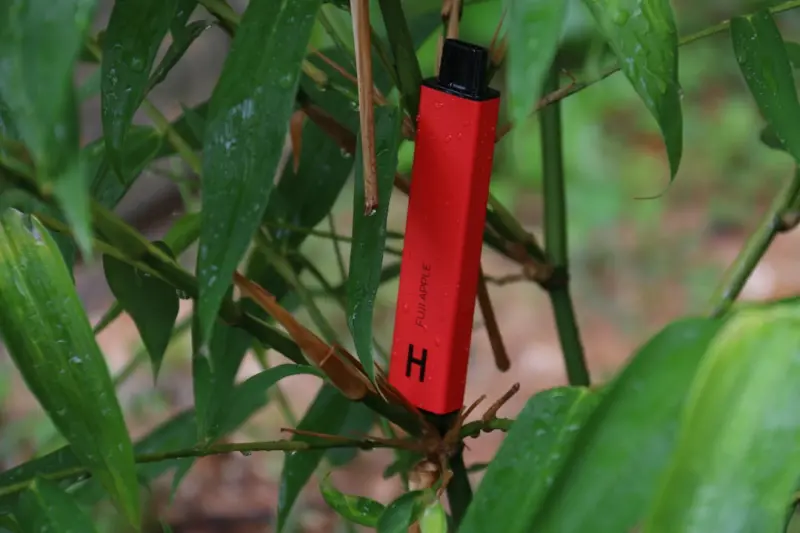
The Hidden Carbon Footprint of Disposable Vapes: A Path to a Cleaner Habit
Explore the hidden carbon and plastic costs of disposable vapes, and find actionable tips to transit... Read More

The Hidden Power of Vaping as a Mindful Sensory Ritual
Vaping isn’t just nicotine; it can be a deliberate, sensory‑rich pause that sharpens focus, ease... Read More

Vaping as a Sensory Ritual: Redefining Breaks for Health and Creativity
Nikki McDonald shares a fresh perspective on vaping, turning each puff into a purposeful sensory rit... Read More
Top Posts

How Auditory Environments Shape Your Baby's Early Brain Wiring
A deep dive into the impact of sound on newborn development, offering evidence‑based strategies for creating soothing, enriching auditory environments that bo...Read More

The Healing Power of Shared Music for Senior Wellness
Music isn’t just background noise—it’s a potent health tool for seniors. In this post, Becky Putman explains how singing, rhythmic movement, and shared pl...Read More

The Soundtrack of New Life: How Early Auditory Experiences Shape Infant Health
A newborn’s ears are active participants in development. This article explains how prenatal and early postnatal sounds shape brain wiring, sleep, stress, and ...Read More
Curiosity as the Fountain of Youth: Learning New Skills for Healthy Aging
A personal guide to using curiosity and new skills as a powerful anti‑aging strategy, blending brain health, community, and playful learning for lasting vital...Read More
0 Comments
Post Comment
You will need to Login or Register to comment on this post!