
Rediscovering Brain Vitality Through Everyday Hobbies
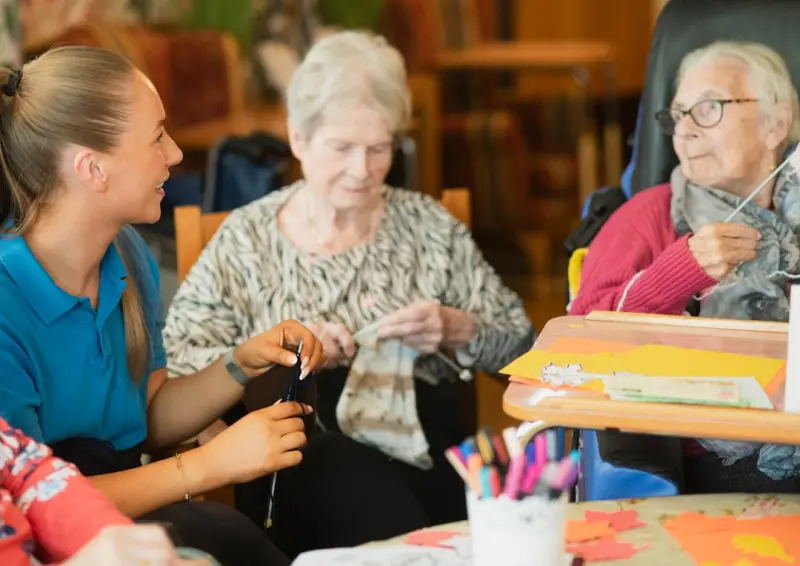
When I first retired, I thought my mental sharpness would wane like a fading photograph, but I soon realized that the brain craves novelty just as much as the body craves movement, and the simple act of picking up a new hobby—whether it’s learning to play a ukulele, dabbling in watercolor, or mastering a crossword puzzle—can ignite neural pathways that were once dormant, creating a ripple effect that improves memory, problem‑solving, and even emotional regulation; studies show that sustained engagement in complex, enjoyable activities can increase gray matter density in regions associated with executive function, and the best part is that the learning curve is gentle enough to keep frustration at bay while still providing enough of a challenge to keep the mind alert.
What surprised me most was how seamlessly these creative pursuits blended into my daily routine, turning idle moments into opportunities for mental gymnastics: a 20‑minute sketch before dinner, a quick tutorial video on guitar chords during a coffee break, or a weekly book club that doubles as a lively discussion forum—all of which reinforce the brain’s plasticity, foster a sense of accomplishment, and, perhaps most importantly, nurture a social connection that fuels both cognitive health and emotional well‑being; in my own experience, the anticipation of learning something new became a powerful motivator, turning days that once felt monotonous into a series of purposeful milestones that kept my mind engaged and my spirits lifted.
Social Prescriptions: Turning Community Involvement into a Health Strategy
Beyond the walls of our homes, the neighborhoods we inhabit hold untapped therapeutic potential, and I’ve discovered that treating community participation as a “social prescription” can be as effective as any medication for maintaining vitality in later years; by intentionally scheduling regular visits to local farmers’ markets, volunteering at the library, or joining a walking group that explores historic districts, seniors can weave physical activity, mental stimulation, and social interaction into a single, enjoyable routine that lowers blood pressure, reduces feelings of isolation, and builds a support network that acts as a safety net during times of stress or illness.
In practice, I’ve found that the key to success lies in choosing activities that align with personal interests and physical capabilities, then committing to them with the same seriousness as a doctor’s appointment; for example, a weekly pottery class not only hones fine motor skills but also encourages conversation with fellow artists, while a community gardening project provides light aerobic exercise, vitamin D from sunlight, and a sense of purpose that resonates deeply with anyone who has tended a garden before; this intentional blending of body, mind, and community creates a holistic health buffer that many traditional interventions overlook.
Nutrition Meets Memory: The Power of Food‑Focused Brain Boosters
While I’ve always been a fan of balanced meals, I’ve learned that certain foods act like premium fuel for the aging brain, and integrating them into everyday dishes can enhance neuroplasticity, protect against oxidative stress, and support neurotransmitter synthesis, all of which contribute to sharper cognition; omega‑3‑rich fish, antioxidant‑laden berries, and leafy greens packed with folate are staples that have been linked to slower cognitive decline, and the beauty of this approach is that it doesn’t require drastic diet overhauls—just thoughtful swaps like topping oatmeal with blueberries, sprinkling walnuts onto salads, or adding a splash of olive oil to steamed vegetables.
To make these changes sustainable, I recommend adopting a “brain‑boosting pantry” mindset, where you keep a stock of ingredients that naturally support mental health and experiment with them in familiar recipes; for instance, swapping regular pasta for whole‑grain quinoa in a stir‑fry not only adds texture but also increases magnesium intake, which is essential for nerve function, and pairing lean protein with a side of roasted Brussels sprouts provides a synergy of amino acids and vitamin K that research suggests may improve memory retention; for readers seeking a deeper dive into the science behind food and cognition, the article The Secret Power of Food Pairing offers a compelling overview of how strategic combos can supercharge nutrition, including brain health benefits.
Mindful Movement: Gentle Exercise That Sparks Cognitive Renewal
Physical activity has long been championed for heart health, yet its impact on the brain is equally profound, especially when the movement is mindful, low‑impact, and paired with breathing awareness, such as tai chi, yoga, or even a rhythmic stroll through a park; these practices engage the vestibular system, improve balance, and stimulate the release of neurotrophic factors like BDNF, which nurture new neuron growth and strengthen existing connections, thereby supporting memory, attention, and mood regulation without the joint strain that high‑intensity workouts might cause.
My personal routine now includes a gentle sunrise tai chi session that lasts just fifteen minutes, followed by a leisurely walk while listening to a favorite podcast; this combination not only wakes up the body but also primes the mind for learning, and over time I’ve noticed a reduction in the “senior brain fog” that used to cloud my mornings, a testament to the synergistic power of movement and mindfulness; for those interested in exploring how a holistic approach to health can be woven into everyday life, the guide Navigating Health Insurance for Alternative Therapies provides practical tips for accessing resources that support these beneficial practices.

Nikki McDonald is a freelancer based in Waterloo. She brings her skills and expertise to various projects, balancing her professional work with a personal life that includes her husband, Stewart.
Related Posts
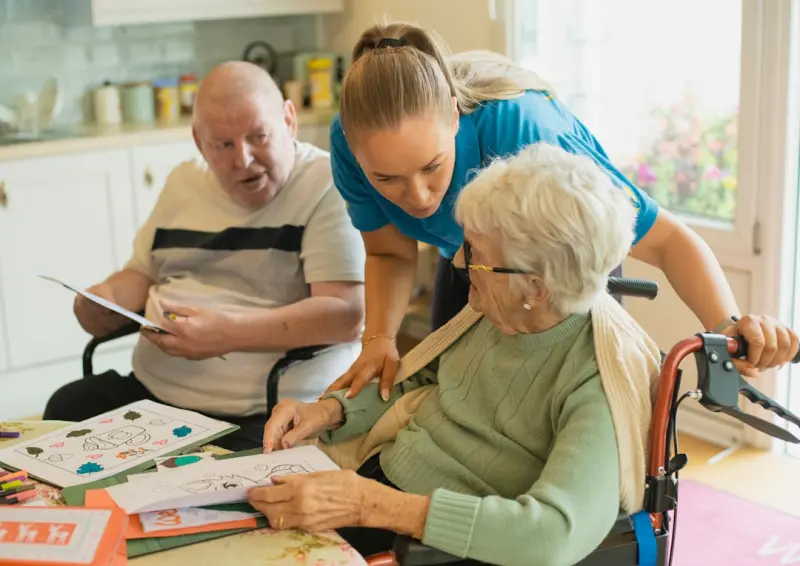
Why Picking Up a New Skill in Your 70s Can Supercharge Your Health
Learning a new skill in later life can enhance brain function, boost mood, and foster community conn... Read More
The Importance of Mental Health in Seniors: A Holistic Approach
Mental health issues are a significant concern for seniors. Learn about the importance of mental hea... Read More
The Intersection of Aging and Chronic Health Conditions: A Holistic Approach to Senior Health
A holistic approach to senior health involves considering the whole person - body, mind, and spirit ... Read More
Top Posts

The Intersection of Aging and Chronic Health Conditions: A Holistic Approach to Senior Health
A holistic approach to senior health involves addressing physical, emotional, and social needs to manage chronic conditions and improve wellbeing. Learn how to ...Read More

Digital Detox Rituals: Reclaiming Sleep in the Age of Hyper‑Connectivity
A step‑by‑step digital detox ritual combines light management, ambient soundscapes, mindful nutrition, and habit formation to reset your brain’s alarm sys...Read More
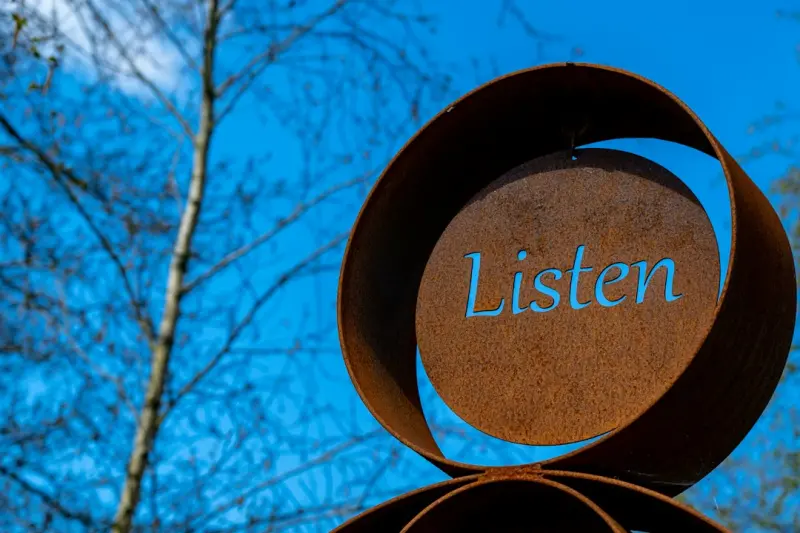
When Silence Becomes a Superpower: Auditory Strategies for Mental Wellness
Silence isn’t empty; it’s a powerful tool for mental health. Discover practical ways to audit your sound environment, create focus zones, and use therapeuti...Read More

Chasing Daylight: How Sunlight Timing Rewrites Your Body’s Blueprint
Learn how aligning your daily routine with sunrise, midday, and dusk sunlight can optimize hormone balance, gut health, and immune resilience, offering simple, ...Read More
0 Comments
Post Comment
You will need to Login or Register to comment on this post!