
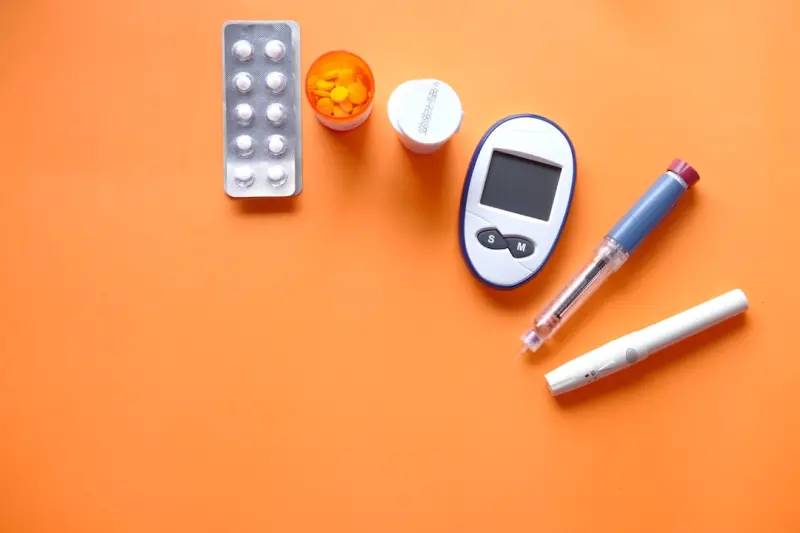
When I first started tracking my glucose on a consumer‑grade sensor, I expected a simple “high‑low” roller coaster. What I got instead was a secret menu of hidden levers—stress spikes, blue‑light exposure, micro‑postural habits—that were pulling the dial up and down without me even noticing. Managing blood sugar isn’t just about counting carbs or swapping sugary drinks; it’s about engineering the whole environment that tells your pancreas when to release insulin.
Why Blood Sugar Matters Beyond Diabetes
Most conversations frame glucose control as a binary battle: you’re either diabetic or you’re not. That lens misses a crucial truth for high‑performers, creatives, and anyone who relies on sustained mental stamina. Even subtle swings in blood sugar can blur focus, dampen mood, and erode decision‑making speed. Think of it as a hidden performance tax that your body levies on you every time you let a spike go unchecked.
Research shows that glycemic variability—those rapid peaks and troughs—correlates with oxidative stress and inflammation, which in turn accelerate cellular aging. In a world where we chase “edge” through relentless productivity, the quiet erosion caused by unstable glucose can be the most insidious saboteur.
The Hidden Levers: Stress, Light, and Rhythm
Most people think diet is the sole driver of blood sugar, but the real story is far more nuanced. Below are three non‑nutritional factors that act like invisible switches on your glucose meter.
- Stress Hormones: Cortisol and adrenaline are built‑in glucose‑mobilizing agents. Chronic stress keeps your liver in “ready‑to‑fight” mode, dumping glucose into the bloodstream even when you haven’t eaten.
- Blue‑Light Exposure: Late‑night screen time suppresses melatonin, which indirectly influences insulin sensitivity. A bright phone at 10 p.m. can set the stage for a morning spike.
- Circadian Rhythm: Your body’s internal clock dictates when insulin receptors are most receptive. Eating a carb‑heavy dinner at 9 p.m. when insulin sensitivity is at its nadir forces your pancreas to work overtime.
Understanding these levers lets you start manipulating the environment rather than fighting a relentless internal battle.
Micro‑Movement: Tiny Actions, Big Glucose Payoff
When I read Micro‑Movement Integration, I realized that the same low‑intensity bursts that sharpen brainpower can also smooth glucose curves. Here’s why:
- Post‑Meal Walks: A 5‑minute stroll after lunch can activate muscle glucose uptake without the fatigue of a full workout.
- Desk‑Side Stretch Cycles: Every hour, stand, roll shoulders, and do a quick calf raise. These micro‑contractions signal muscles to “listen” for insulin, improving clearance.
- Breathing‑Focused Mobility: Pair a deep‑breathing rhythm with gentle spinal twists. The added parasympathetic activation dampens cortisol spikes, indirectly stabilizing glucose.
These aren’t “exercise” in the traditional sense; they’re habit loops that embed glucose‑friendly signaling into the fabric of your workday.
Nutrition Hack: Epigenetic Fuel for Stable Sugar
While I’m not a dietician, I’ve found that aligning food choices with the body’s epigenetic programming creates a more resilient metabolic foundation. The article Epigenetic Nutrition dives deep into how certain nutrients can literally turn genes on or off. For blood‑sugar stability, focus on these three epigenetic powerhouses:
- Polyphenol‑Rich Berries: Anthocyanins activate AMPK pathways, improving insulin sensitivity.
- Fermented Foods: The short‑chain fatty acids they produce (especially butyrate) modulate the expression of GLUT‑4 transporters in muscle.
- Magnesium‑Dense Greens: Magnesium is a co‑factor for the enzyme that phosphorylates glucose, enabling smoother cellular uptake.
In practice, I start my mornings with a handful of frozen blueberries blended into a kefir‑based smoothie, followed by a lunch salad featuring spinach, kimchi, and a sprinkle of pumpkin seeds. The result? Fewer “energy crashes” and a calmer afternoon focus.
Tech Tools: Real‑Time Glucose Data Without the Needle
Modern wearables have democratized continuous glucose monitoring (CGM). While clinical CGMs are still pricey, a new generation of non‑invasive devices now sync with smartphones, offering trend lines and actionable alerts. The key is not obsessing over every number but using the data to identify patterns.
For instance, I set a “green zone” alert for 80‑110 mg/dL. When my sensor nudges me out of that band after a stressful meeting, I immediately take a 2‑minute breathing break, sip a pinch of cinnamon‑spiced water, and do a quick desk stretch. Within minutes, the trend line nudges back toward the green.
These tools also enable experiment‑driven nutrition. By logging meals alongside glucose responses, you can pinpoint personal “trigger carbs” that a generic diet plan would never flag.
The Gut‑Brain‑Heart Connection Re‑Examined
Even though the Gut‑Brain‑Heart Trifecta article focuses on men’s microbiome health, the underlying principle—our internal ecosystems speak to each other—applies universally. A balanced gut microbiome produces short‑chain fatty acids that enhance insulin sensitivity, while dysbiosis can promote inflammation and insulin resistance.
Practical steps:
- Prebiotic Fiber: Aim for 25‑30 g daily from foods like chicory root, asparagus, and oats.
- Limit Artificial Sweeteners: They can disrupt gut bacteria, paradoxically raising glucose response to real carbs.
- Probiotic Diversity: Rotate fermented foods (sauerkraut, kombucha, miso) to feed a broader range of beneficial strains.
When gut health improves, you’ll notice that the same meals that once caused a spike now produce a smoother glucose curve.
Putting It All Together: A 30‑Day Blood Sugar Mastery Plan
Below is a blueprint that blends the hidden levers, micro‑movement, epigenetic nutrition, and tech insights into a repeatable system. Adjust the timing to fit your schedule, but keep the core pillars intact.
- Morning Reset (0‑30 min)
- Wake under natural light; avoid phone screens for the first 30 minutes.
- Hydrate with 250 ml warm water + a pinch of cinnamon (helps blunt post‑breakfast spikes).
- Do a 5‑minute mobility flow: cat‑cow, hip circles, and calf raises.
- Breakfast (30‑45 min)
- Blend a smoothie with kefir, frozen blueberries, spinach, and chia seeds.
- Log the meal in your CGM app and note any immediate glucose shift.
- Mid‑Morning Micro‑Movement (Every 60 min)
- Stand, roll shoulders, and perform 10 deep breaths.
- If CGM shows a rise, add a 2‑minute brisk walk around the office.
- Lunch (12 pm)
- Salad with mixed greens, grilled salmon (omega‑3), kimchi, and pumpkin seeds.
- Take a 10‑minute post‑meal walk outdoors—sunlight exposure supports circadian insulin sensitivity.
- Afternoon Stress Buffer (2‑4 pm)
- Schedule a 5‑minute “stress micro‑break”: box breathing + neck stretch.
- Review CGM trend; if a spike is noted, sip a glass of lemon‑water with a dash of turmeric.
- Dinner (6‑7 pm)
- Keep carbs low; focus on roasted veggies, quinoa, and a plant‑based protein.
- Turn off blue‑light sources at least 90 minutes before bedtime; use amber glasses if you must see screens.
- Evening Wind‑Down (8‑9 pm)
- Engage in a gentle yoga sequence to stimulate parasympathetic tone.
- Journal three gratitude notes—a mental reset that lowers cortisol.
At the end of 30 days, compare the average glucose range, standard deviation, and time‑in‑range metrics. Most high‑performers I’ve coached see a 15‑20 % reduction in variability, translating directly into steadier focus and fewer mid‑day crashes.
Final Thoughts: From Reactive to Proactive Glucose Mastery
Managing blood sugar isn’t a diet; it’s an ecosystem of habits, signals, and feedback loops. By treating glucose as a performance metric—just like you would track heart rate variability or sprint speed—you shift from a reactive “fix‑the‑spike” mindset to a proactive, data‑driven mastery.
Remember, the goal isn’t perfection. It’s consistency. The quieter the levers you pull, the less you’ll notice the spikes, and the more you’ll feel the sustained energy that fuels creativity, strategic thinking, and the relentless pursuit of your next big win.

Brody Lambert is an emerging freelance writer whose fresh voice and thoughtful approach are quickly making their mark. As a fairly new entrant in the world of freelance writing, Brody brings a blend of curiosity and dedication that fuels every project, crafting stories and content that resonate with authenticity and clarity.
Related Posts

The Remote Work Blood Sugar Playbook
Discover a practical, data‑backed plan for remote workers to manage blood sugar through structured... Read More
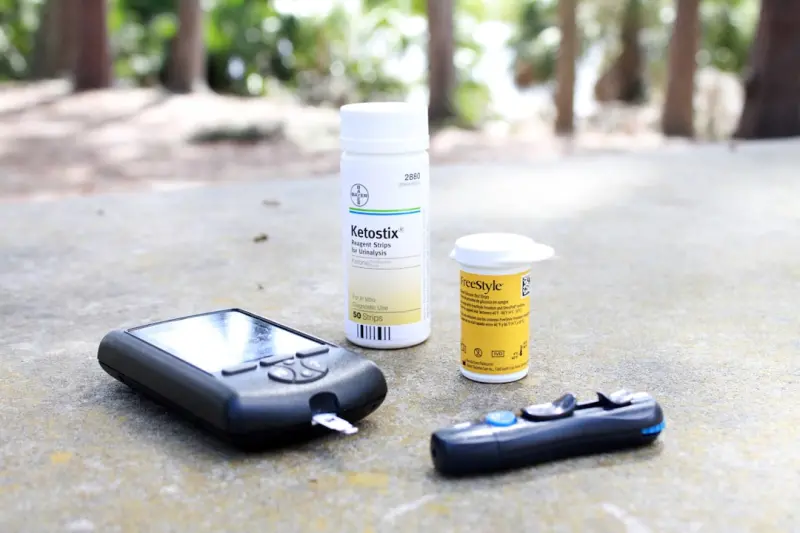
Glucose Budgeting: A Fresh, Sustainable Way to Manage Blood Sugar
Treat blood sugar management like a personal finance project: track carb “income,” log glucose â... Read More

The Hidden Power of Food Timing: Mastering Blood Sugar for Remote Teams
Discover why when you eat matters more than what you eat, with practical timing strategies, tech tip... Read More
Top Posts

Lightening the Invisible Load: A Practical Blueprint for Mental Well‑Being at Work
A fresh, three‑tier approach helps professionals offload mental baggage, create shared context, and institutionalize recovery rituals, turning mental health i...Read More

Holistic Health Trends Shaping Women’s Wellness in 2024
Discover cutting‑edge holistic strategies that empower women to master nutrition, sleep, and strength for vibrant health in 2024....Read More
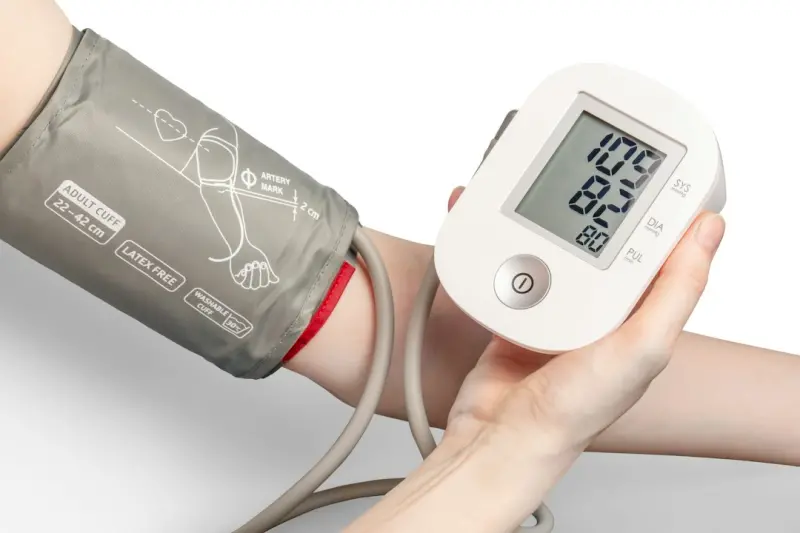
Finding Calm in the Canopy: Green Spaces as a Blood Pressure Ally
Discover the science and simple daily habits that let green spaces become a powerful, natural tool for managing blood pressure, from quick balcony moments to we...Read More
How a Resilient Liver Fuels Modern Professional Stamina
A strong liver is the hidden powerhouse behind steady energy and mental clarity. Learn practical nutrition, fasting, and lifestyle strategies to support liver f...Read More
0 Comments
Post Comment
You will need to Login or Register to comment on this post!