

Finding Your Blood Sugar Groove: How Rhythm, Environment, and Everyday Rituals Can Stabilize Glucose Levels
When I first started experimenting with blood‑sugar management, I treated it like a science experiment—charts, numbers, and a relentless hunt for the “perfect” meal plan. Over time, I realized that the most reliable predictor of my glucose peaks wasn’t a specific macro ratio; it was the flow of my day. The beats of my morning commute, the cadence of my kitchen routine, even the tempo of my evening wind‑down—all of these rhythmic cues were subtly nudging my pancreas in one direction or another.
The Pulse of Your Plate
Food isn’t just fuel; it’s a conductor’s baton that sets the tempo for the entire metabolic orchestra. When I think about a balanced plate, I picture a musical ensemble—protein laying down the steady bass line, fiber adding a gentle percussion, and healthy fats providing a smooth, lingering harmony. If any one section plays too loudly (say, a sudden surge of refined carbs), the whole piece can become discordant, leading to that dreaded glucose spike.
One trick I’ve adopted is to pace my meals like a well‑structured song. I aim for a 3‑to‑4‑minute “intro” (a light snack or a small portion of fruit) before the main “verse” (the larger lunch or dinner). This gives my digestive system a moment to warm up, smoothing the glucose curve before the big crescendo arrives.
Syncing Your Body Clock with Blood Sugar Peaks
Chronobiology—the study of biological rhythms—has shown that our bodies are naturally primed for certain metabolic processes at specific times of day. In my own routine, I’ve discovered three sweet spots:
- Morning rise (7 am‑10 am): Cortisol levels are naturally higher, which can cause a slight uptick in blood sugar. Pairing a protein‑rich breakfast (Greek yogurt, eggs, or tofu) with low‑glycemic berries helps keep that rise gentle.
- Mid‑day dip (12 pm‑2 pm): A modest surge in insulin sensitivity means it’s an ideal window for a balanced lunch—think leafy greens, lean protein, and a drizzle of olive oil.
- Evening lull (6 pm‑9 pm): The body begins to wind down, and a heavy carbohydrate load can linger in the bloodstream overnight. I favor lighter plates with plenty of non‑starchy vegetables and a modest serving of complex carbs.
These timing cues are not rigid rules; they’re more like a rhythm guide that you can adjust to fit your personal schedule.
Turn Your Kitchen Into a Studio
Cooking can feel like a rehearsal for a concert. The way you chop, sauté, and season creates patterns that your body learns to anticipate. Here are three practices I swear by:
- Chunk your prep. Rather than tossing the entire day’s ingredients into a pot at once, I break the process into stages—pre‑soaking beans, pre‑roasting vegetables, and pre‑grilling protein. This staggered approach spreads carbohydrate digestion over time, preventing sharp spikes.
- Use “tempo” spices. Cinnamon, cardamom, and fenugreek have been shown to blunt post‑meal glucose spikes. Adding a pinch at the start of cooking creates a subtle, steady background hum that supports smoother glucose responses.
- Plate with intention. I arrange my plate with visual zones—protein on one side, fiber on another, and a small “accent” of healthy fat. This visual cue helps my brain predict the nutrient mix, which can prime the insulin response in a more measured way.
Movement as Metabolic Metronome
Physical activity isn’t just a calorie‑burning tool; it’s a metronome for blood sugar. Short bursts of movement—think a 5‑minute walk after lunch or a quick set of bodyweight squats before dinner—can act like a tempo change, nudging glucose out of the bloodstream and into muscles.
For those of us glued to a desk, I recommend the “micro‑groove” method: every hour, stand up, stretch, and do a handful of calf raises. In my own experience, this simple habit flattens the post‑lunch glucose curve dramatically.
Soundscapes and Glucose: The Unexpected Connection
It might sound out‑there, but research suggests that auditory environments can affect stress hormones, which in turn influence blood sugar. I’ve started playing low‑frequency ambient music (think slow, steady beats around 60‑70 BPM) while I eat. The calming rhythm seems to reduce cortisol spikes, and over several weeks I’ve noticed a smoother glucose pattern on my tracker.
If you’re skeptical, try a simple experiment: for one week, eat your meals in silence; the next week, pair them with a consistent, soothing playlist. Compare the data—you might be surprised by the difference.
Social Rhythm: Community Beats That Support Balance
Humans are wired for connection, and our social habits can either reinforce or disrupt our metabolic rhythm. I’ve found two powerful community‑based strategies:
- Meal‑share circles. Gathering with friends for a potluck where each person brings a balanced dish creates a shared accountability system. You’re less likely to over‑indulge when the focus is on diverse, well‑planned plates.
- Step‑challenge squads. Even a light competition—like who can log the most steps in a week—injects a rhythmic push to move more regularly, which smooths glucose spikes after meals.
These ideas echo the spirit of community challenges, but with a focus on rhythm and shared experience rather than pure competition.
Food Pairing Without the Jargon
Pairing foods isn’t about fancy culinary tricks; it’s about creating a balanced metabolic duet. For example, pairing a high‑glycemic fruit like a banana with a handful of almonds introduces protein and fat that slow sugar absorption. Think of it as adding a bass line to a high‑energy melody.
To make this practical, I keep a pairing cheat sheet in my fridge: a column for “quick carbs” (e.g., rice, potatoes) and a matching column for “balancing partners” (e.g., beans, fish, avocado). When hunger strikes, I glance at the sheet and assemble a plate that feels naturally harmonious.
This approach aligns with the insights from food pairing strategies, but stripped of the buzzwords and presented as a simple, everyday tool.
Tech‑Light Tracking: Listening to Your Body Directly
While continuous glucose monitors (CGMs) are invaluable, I’ve learned to blend data with intuition. I set a “listen‑first” rule: before checking the numbers, I pause to assess how I feel—energy level, mood, any cravings. Often, my subjective sense matches the CGM trend, and the act of paying attention itself can modulate stress hormones, nudging glucose in a favorable direction.
In practice, I follow a three‑step loop:
- Feel. Note hunger, satiety, and energy.
- Act. Choose a small, balanced snack or a brief walk based on that feeling.
- Check. Glance at the CGM to see the impact, then adjust future cues.
This cycle builds a feedback loop that trains your body to respond more predictably, turning glucose management into a conversation rather than a command.
Seasonal Flow: Adjusting Your Rhythm With the Weather
Seasonal changes subtly shift our metabolic rhythm. In colder months, our bodies tend to retain more glucose for warmth, while summer heat can increase insulin sensitivity. I adapt by:
- Winter: Emphasizing warming spices (ginger, turmeric) and slightly richer fats to support thermogenesis.
- Summer: Leaning into fresh, water‑rich vegetables and lighter protein sources, which help maintain steady glucose without feeling heavy.
These tweaks echo the idea that environmental factors matter, but they’re framed as a simple seasonal rhythm rather than a complex detox regimen.
Building Your Personal Glucose Groove
To bring all these pieces together, I recommend crafting a “Glucose Groove Map.” Here’s a quick template you can fill out:
- Morning Rhythm: What protein, fiber, and low‑glycemic carbs do you start with?
- Midday Move: Which micro‑exercise or walk fits your schedule?
- Evening Soundscape: What music or ambient noise supports a calm dinner?
- Social Beat: Who will you share a balanced meal with this week?
- Seasonal Adjustments: What weather‑based tweaks will you make?
Fill it out, test it for a week, and refine. Over time, you’ll notice the glucose line on your tracker becoming less of a jagged mountain range and more of a smooth, flowing river.
Final Thoughts: Embrace the Flow, Not the Fight
Managing blood sugar doesn’t have to be a relentless battle of restriction. When you tune into the rhythms of your day—your meals, movement, music, and community—you create a natural, sustainable groove that guides glucose toward balance. It’s a dance, not a drill, and the best part is that you set the tempo.
So next time you sit down for a meal, ask yourself: “What rhythm am I inviting into my body right now?” The answer might just be the missing beat that keeps your blood sugar humming in harmony.

Related Posts
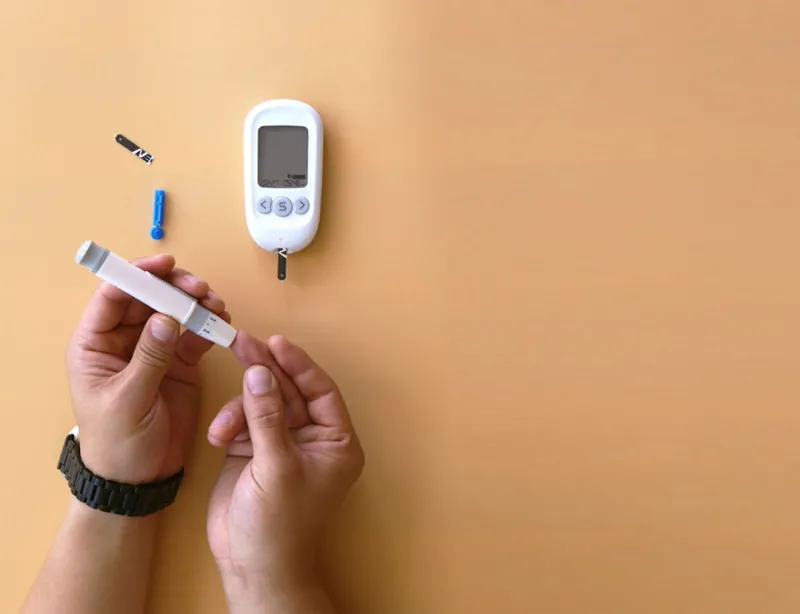
Balancing Blood Sugar the Holistic Way: Becky Putman’s Proven Blueprint
Becky Putman shares her personal, holistic approach to managing blood sugar, blending nutrition, str... Read More

Scent, Breath, and Balance: A Fresh Take on Managing Blood Sugar
Explore the unexpected power of scent and breathwork in regulating blood sugar, with practical ritua... Read More
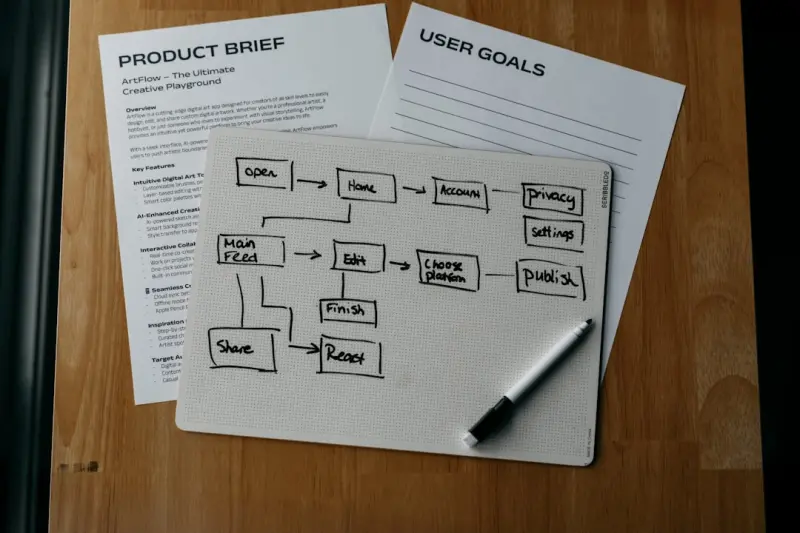
Glucose as a Strategic Asset: A Professional’s Blueprint for Energy Stability
Discover a fresh, business‑focused framework for stabilizing blood sugar, using accountability net... Read More
Top Posts

From Soil to Stomach: Reimagining Gut Health Through Home Gardening
Explore a hands‑on approach to gut wellness by connecting soil‑based foods, DIY fermentation, and mindful habits, offering a fresh, actionable path to a hea...Read More

The Autoimmune Connection: A Holistic Approach to Wellbeing
Learn how to manage autoimmune disease with a holistic approach, prioritizing mental health, preventive care, and self-care for a better quality of life....Read More

When the Algorithm Eats: How Social Media Fuels Modern Eating Disorders
A deep dive into how algorithmic feeds, diet apps, and online communities shape modern eating disorders, plus actionable strategies for individuals, professiona...Read More

Unlocking the Secrets to a Longer, Healthier Life: The Power of Preventive Care
Unlock the secrets to a longer, healthier life by prioritizing preventive care, mental health, and healthy lifestyle choices. Learn how to reduce your risk of c...Read More
0 Comments
Post Comment
You will need to Login or Register to comment on this post!