

Reimagining Physiotherapy in a Holistic Era
When I first stepped into the clinic floor a decade ago, physiotherapy felt like a well‑choreographed dance of manual stretches, isolated exercises, and strict protocols, all aimed at restoring function after injury; today, that dance has morphed into a fluid, interdisciplinary performance where the body, mind, and environment move in sync, and I, Paul Gray, have been privileged to witness—and help shape—this transformation. Patients now arrive with smartphones, wearables, and a hunger for evidence‑based lifestyle tweaks, demanding more than a joint mobilization; they want a roadmap that connects their posture to their sleep, nutrition, and stress levels, turning the traditional treatment room into a hub for whole‑person wellness. This shift isn’t a fleeting fad; it’s a response to the growing body of research showing that recovery accelerates when therapists address muscular imbalances, neuro‑cognitive patterns, and even social determinants of health in tandem.
The Intersection of Physiotherapy and Holistic Wellness
One of the most powerful resources I’ve come across is The Intersection of Physiotherapy and Holistic Wellness: A Comprehensive Guide, which elegantly maps out how core principles like fascia‑centric care, breath work, and mindful movement dovetail with conventional rehab strategies, creating a synergistic effect that reduces pain recurrence and boosts patient confidence. By weaving in techniques such as myofascial release, guided imagery, and nutrition counseling, we can address the root causes of chronic dysfunction rather than merely patching symptoms, a philosophy that resonates deeply with my own clinical observations. The result is a treatment paradigm where a shoulder impingement is not just a mechanical issue but a signal of altered thoracic mobility, poor sleep hygiene, and perhaps even emotional overload, all of which we now feel equipped to tackle.
Patient‑Centered Assessment: More Than a Checklist
In my practice, the assessment has evolved from a checklist of ROM measurements to a narrative‑driven conversation that uncovers daily habits, work ergonomics, and even the client’s relationship with stress; this richer context enables us to design interventions that feel personalized and sustainable. When a patient describes lingering low‑back pain after long hours at a desk, I now explore their sitting posture, hydration patterns, and mental workload before prescribing a single exercise, ensuring that each recommendation fits seamlessly into their lived reality. This holistic lens not only improves adherence but also empowers individuals to become active participants in their own recovery, turning therapy sessions into collaborative problem‑solving workshops.
Functional Movement and Holistic Fitness
Integrating functional movement principles with a broader fitness perspective has been a game‑changer, especially after reviewing Tom Ferguson’s Holistic Fitness Playbook for 2024, which emphasizes mobility drills, core stability, and progressive loading that respect the body’s natural biomechanics. Rather than prescribing isolated strengthening, I now incorporate compound patterns like the squat‑to‑press, dynamic lunges, and rotational plyometrics that mimic everyday tasks, thereby bridging the gap between rehab and long‑term health. This approach not only restores joint integrity but also cultivates resilience, ensuring that patients can navigate stairs, lift groceries, or chase after their kids with confidence and reduced injury risk.
Mental Health, Pain Perception, and the Brain‑Body Connection
Emerging neuroscience tells us that pain is not solely a peripheral phenomenon; it is profoundly influenced by anxiety, attention, and past experiences, prompting physiotherapists to adopt strategies that calm the nervous system while we treat the musculoskeletal system. Techniques such as graded exposure, mindfulness‑based movement, and paced breathing have become staples in my toolbox, allowing patients to reframe pain narratives and lower central sensitization. By acknowledging the psychological overlay, we reduce the reliance on medication, shorten recovery timelines, and foster a sense of agency that fuels lasting health transformations.
Tech‑Enabled Rehab: Wearables, Tele‑Physio, and Data‑Driven Care
The digital revolution has handed us a suite of tools—wearable sensors that capture real‑time gait symmetry, tele‑physio platforms that bring guided sessions into living rooms, and AI‑driven analytics that predict re‑injury risk—making it possible to extend care beyond the clinic walls. I’ve begun integrating motion‑capture apps that give patients instant feedback on squat depth, while remote monitoring dashboards alert me to deviations that may signal emerging issues, enabling preemptive adjustments before pain escalates. This data‑centric model not only enhances treatment precision but also builds a collaborative ecosystem where patients feel continuously supported, no matter where they train.
Community Education and the Holistic Health Narrative
Education extends far beyond the treatment table; it thrives in community workshops, blog series, and cross‑disciplinary collaborations that demystify the links between movement, nutrition, and mental wellness. In a recent article titled Why Men’s Health Needs a Holistic Overhaul in 2024, I highlighted how men often overlook preventive physiotherapy, focusing instead on acute injury treatment, and I offered practical tips—like incorporating daily thoracic extensions and mindful breathing—to counteract sedentary lifestyles. By positioning physiotherapy as a cornerstone of preventive health, we empower individuals to proactively safeguard their bodies, ultimately reducing the societal burden of chronic musculoskeletal disorders.
Looking Forward: A Call to Embrace Integrated Healing
As we stride into the next decade, the most successful physiotherapists will be those who blend manual expertise with holistic insight, leveraging technology, education, and empathy to create a seamless continuum of care that resonates with today’s health‑savvy clientele. I invite fellow clinicians, fitness professionals, and patients alike to join this evolving conversation, experiment with interdisciplinary protocols, and share success stories that illustrate the power of integrated healing. Together, we can redefine physiotherapy from a reactive fix to a proactive, whole‑person vitality platform that supports thriving bodies and minds for years to come.

Related Posts

Turning Rehab Into Play: How Gamified Apps Are Revolutionizing Physiotherapy
Gamified physiotherapy apps turn routine exercises into engaging quests, boosting adherence and spee... Read More

AI‑Powered Physiotherapy: Tailoring Treatment to Your Body’s Signals
AI‑powered physiotherapy blends wearable sensors, real‑time analytics, and therapist expertise t... Read More
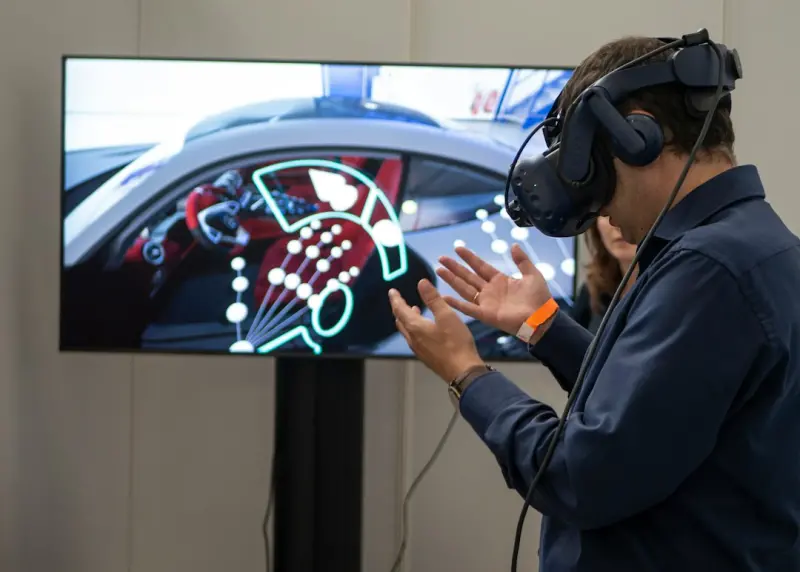
Why Virtual Reality Is the Next Frontier in Physiotherapy
Virtual reality is more than a novelty; it’s a game‑changing tool that boosts engagement, provid... Read More
Top Posts

When Nightmares Knock: Turning Sleep Terrors Into Insightful Allies
A fresh, compassionate approach to sleep terrors that blends somatic resets, micro‑mental declutter, and data‑informed awareness, turning nightly fear into ...Read More

Navigating the Day: Real‑World Strategies for Living Beyond Narcolepsy
A candid, first‑person guide revealing space hacks, nutrition tips, mindfulness routines, and support‑building strategies that help people with narcolepsy t...Read More

Why Your Health Insurance Should Be Your First Wellness Ally
Discover fresh strategies to make health insurance work for you—leveraging preventive care, telehealth, HSAs, and wellness incentives to boost health and save...Read More

The Phone‑Free Night: A Data‑Driven Blueprint to Beat Insomnia
A step‑by‑step guide shows how to audit your evening screen habits, use blue‑light filters, create a screen‑free sanctuary, and leverage gut‑friendly ...Read More
0 Comments
Post Comment
You will need to Login or Register to comment on this post!