

Rethinking Health Insurance Through the Lens of Personal Data
When I first stared at my health insurance renewal notice, I felt the same mix of dread and curiosity that many of us experience each year: a dense spreadsheet of premiums, deductibles, and co‑pays that seems designed to be indecipherable. As someone who spends her days translating complex science into everyday language, I realized I was treating my insurance like a black‑box algorithm—accepting its output without ever questioning the inputs. What if we flipped the script? What if the very data you already collect about your health could become the lever you use to negotiate better coverage, lower costs, and more tailored benefits?
The Hidden Cost of Ignoring Your Own Metrics
Most people think health insurance is purely a financial product, but it’s actually an ecosystem that responds to risk signals. Insurers use actuarial tables, population health trends, and, increasingly, real‑time biometric data to set rates. If you’re not feeding them accurate, up‑to‑date information about your health, the system fills the gaps with averages—often to your detriment.
Consider this: two individuals with identical job titles and salaries can pay drastically different premiums because one has a history of chronic conditions while the other does not. Yet, many of us have been tracking steps, sleep patterns, and even blood glucose levels for years using smartphones and wearables. Those numbers sit idle in personal dashboards, while insurers rely on outdated questionnaires that ask, “Do you smoke?” instead of, “What does your daily activity look like?”
Step 1: Audit Your Health Data Landscape
Before you can leverage data, you need to know what you have. Here’s a quick audit checklist:
- Wearable metrics: Steps, heart‑rate variability, sleep duration, and active minutes.
- App‑based logs: Nutrition trackers, mood journals, and medication reminders.
- Medical records: Lab results, imaging reports, and vaccination histories (many are now available via patient portals).
- Financial health data: Out‑of‑pocket expenses from previous insurance years, including co‑pays, deductibles, and any unexpected bills.
Gather these into a single spreadsheet or a privacy‑first health data platform. The goal isn’t to become a data scientist; it’s to have a clear narrative of your health trajectory that you can present during plan selection or negotiations.
Step 2: Translate Numbers Into Stories
Insurers love stories—well, they love risk models, which are essentially stories built from data points. Your job is to craft a story that highlights low‑risk behaviors and proactive health management. For example, a consistent average of 10,000 steps per day combined with a sleep efficiency above 85% paints a picture of an active, well‑rested individual—a profile insurers often reward with lower premiums.
When you speak with a benefits administrator or an insurance broker, bring a one‑page snapshot: a bar chart of weekly activity, a line graph of sleep trends, and a simple table of recent lab results (e.g., cholesterol, HbA1c). This visual evidence can open doors to customized wellness discounts, lower deductibles, or even “pay‑as‑you‑go” plans that adjust rates based on real‑time health metrics.
Step 3: Leverage Wellness Incentives That Actually Fit Your Lifestyle
Many large employers offer wellness programs that promise cash back or premium reductions for meeting certain milestones—often things like “complete a health risk assessment” or “attend a flu shot clinic.” While those are well‑meaning, they can feel like a one‑size‑fits‑all checkbox.
Instead, ask for flexibility. If you already run daily cardio sessions and maintain a balanced diet, propose a plan where you receive a premium discount for sustaining your activity level over a quarter rather than attending a generic health seminar. Some insurers now accept data from Apple Health, Fitbit, and even third‑party platforms that verify your activity without compromising privacy. By aligning the incentives with the metrics you already track, you turn a “nice‑to‑have” benefit into a tangible financial win.
Step 4: Negotiate the Deductible and Out‑of‑Pocket Maximum
Most policy comparisons focus on premium cost, but the real financial impact often lies in the deductible and out‑of‑pocket maximum. If your data shows you rarely use medical services beyond preventive care, you might be a perfect candidate for a high‑deductible health plan (HDHP) paired with a Health Savings Account (HSA). The lower premium frees up cash flow, and the HSA gives you a tax‑advantaged way to save for the rare event you do need care.
Conversely, if your data reveals occasional specialist visits or chronic medication refills, a lower deductible with a higher premium could protect you from unexpected spikes in spending. The key is to let the numbers guide the decision, not assumptions.
Step 5: Stay Ahead of Policy Changes with Predictive Alerts
Health insurance landscapes shift annually—new regulations, changes in provider networks, and evolving coverage rules. By integrating your personal health data with a simple alert system (many budgeting apps now allow custom triggers), you can receive notifications when a plan’s deductible exceeds a threshold that your historical spending would justify.
For instance, set an alert: “If my projected annual out‑of‑pocket expenses exceed $1,500, flag the plan for review.” When the alert fires, you have a data‑backed reason to explore alternatives before the enrollment window closes.
Step 6: Protect Your Privacy While Sharing Data
All of this sounds powerful, but it also raises a legitimate concern: how to share personal health data without sacrificing privacy. Here are three safeguards:
- Use de‑identified summaries: Instead of sending raw step counts, provide averages or ranges.
- Choose platforms with strong encryption: Look for services that are HIPAA‑compliant and offer end‑to‑end encryption.
- Limit data sharing to what’s necessary: If a insurer only needs proof of regular exercise, don’t hand over your heart‑rate variability logs.
When you demonstrate a responsible approach to data sharing, insurers are more likely to trust the information and reward you accordingly.
Step 7: Revisit and Refine Annually
Health is dynamic, and so should be your insurance strategy. Schedule a 30‑minute “policy review” at the same time each year—perhaps after your fiscal year ends—where you compare the previous year’s health data against your actual insurance costs. Identify gaps: Did you exceed your deductible? Did you qualify for any wellness discounts you missed? Use those insights to tweak your approach for the next cycle.
By treating your health insurance like a living contract, you transform it from a static expense into a strategic tool that works with your lifestyle, not against it.
Putting It All Together: A Sample Action Plan
To make this less abstract, here’s a concrete, week‑by‑week roadmap you can start today:
- Week 1: Export data from your wearable and health apps into a single spreadsheet. Include steps, sleep, heart‑rate trends, and any recent lab results.
- Week 2: Create visual summaries (simple bar or line charts). Draft a one‑page health narrative that highlights low‑risk behaviors.
- Week 3: Schedule a call with your HR benefits specialist. Bring your health narrative and ask about flexible wellness incentives.
- Week 4: Compare at least three plan options, focusing on deductible vs. premium trade‑offs. Use your projected out‑of‑pocket calculations to inform the decision.
- Week 5: Set up alert triggers in your budgeting app for deductible thresholds.
- Week 6: Review privacy settings on any data‑sharing platforms you plan to use. Ensure encryption and minimal data exposure.
- Week 7: Enroll in your chosen plan before the deadline, armed with a data‑driven justification.
- Week 8 onward: Track outcomes. Did you receive any premium discounts? How did your actual expenses compare to projections?
Repeating this cycle annually not only saves money—it empowers you to make health decisions with confidence, backed by evidence you already own.
Looking Forward: The Future of Data‑Driven Coverage
We’re on the cusp of a paradigm shift where insurers will increasingly rely on continuous health monitoring to price risk more precisely. Think of it as moving from a static, one‑size‑fits‑all model to a dynamic, personalized health contract. Early adopters who master the art of personal data storytelling will not only secure better rates but also set the standard for a more transparent, equitable insurance industry.
In the meantime, you don’t need to be a data scientist to get started. Your phone, your smartwatch, and a willingness to ask the right questions are enough to begin reshaping how you pay for health care. By turning the invisible streams of data you already generate into a clear, compelling narrative, you can negotiate, optimize, and protect your health and wallet like never before.

Tammy French is a Montessori Teaching Assistant and freelance writer passionate about education, creativity, and inspiring lifelong learning through engaging content.
Related Posts

Navigating Health Insurance with a Holistic Lens: Deb Roberts’ 2024 Guide
Deb Roberts breaks down health insurance basics, showing you how to blend coverage with holistic hea... Read More

Reimagining Health Insurance: From Safety Net to Preventive Wellness Engine
Health insurance is evolving into a preventive health platform that integrates data, personalized in... Read More

Turn Your Health Insurance Into a Strategic Business Asset
Discover a step‑by‑step playbook that transforms health insurance from a cost into a strategic a... Read More
Top Posts

Beyond Biceps: Building Emotional Muscle for Men
This article redefines strength for men by focusing on emotional resilience, offering practical habits, community strategies, and a 30‑day challenge to build ...Read More
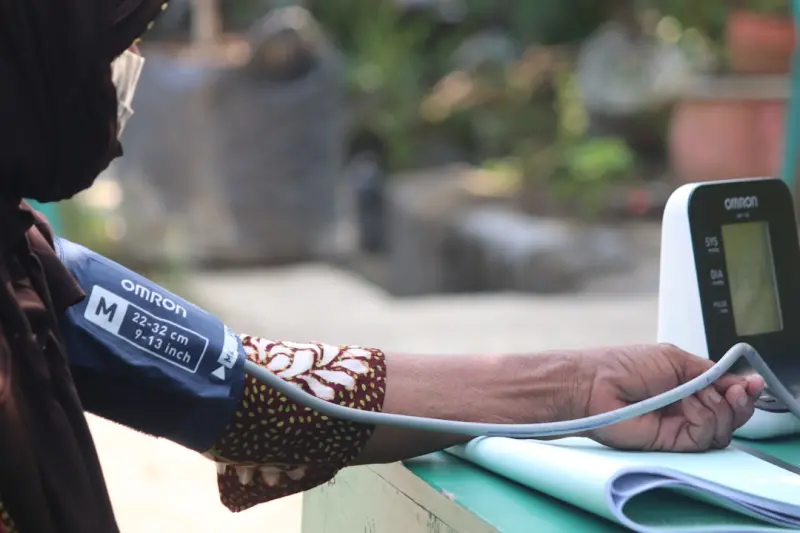
Rethinking Blood Pressure: How Micro‑Movements and Real‑Time Data Are Changing the Game
A fresh approach to blood pressure management combines micro‑movements, wearable biofeedback, and neuro‑fitness, turning everyday actions into powerful tool...Read More

Micro‑Momentum: Tiny Wins to Defeat Prediabetes
Discover a practical, science‑backed framework of micro‑habits—quick movement bursts, smart snack pairings, and stress‑shift resets—that together crea...Read More

Rethinking Menopause: A Data‑Driven Path to Personal Empowerment
Learn how to transform menopause from a vague health challenge into a data‑empowered journey, using wearables, nutrition, community insights, and precision me...Read More
0 Comments
Post Comment
You will need to Login or Register to comment on this post!