
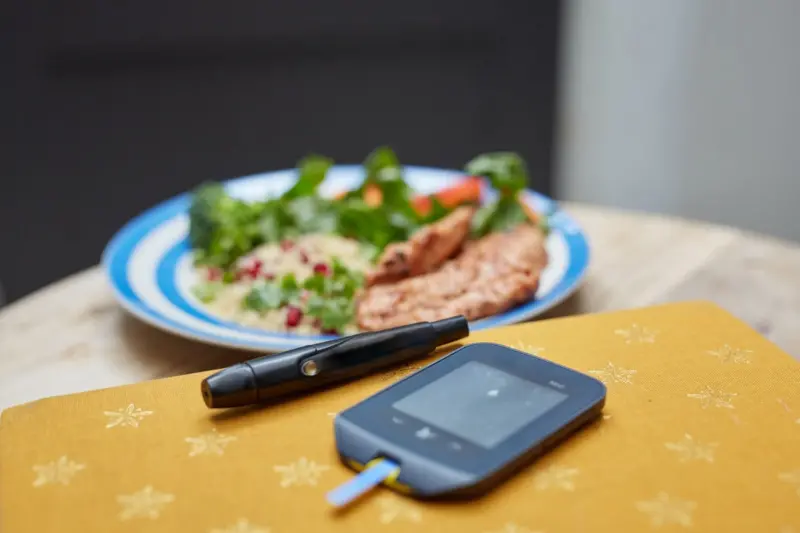
Why Pre‑Diabetes Deserves a Community‑First Playbook
When I first learned that my fasting glucose was nudging the pre‑diabetes threshold, my reaction wasn’t a panic attack or a frantic search for the newest supplement. Instead, I felt a flicker of curiosity: How could this personal health signal become a catalyst for collective change? Over the past few years I’ve watched chronic‑disease conversations morph from isolated “my‑body‑my‑problem” narratives to vibrant, community‑driven movements. It’s time we let pre‑diabetes join that evolution.
The Hidden Cost of “Silent” Pre‑Diabetes
Prediabetes is often called the “silent” stage of type 2 diabetes because most people feel perfectly fine. Yet the silent nature is deceptive. The economic burden of untreated pre‑diabetes in the United States runs into billions of dollars annually—costs that trickle down to employers, insurers, and even local governments. More importantly, the human cost is invisible: missed birthdays, reduced productivity, and the emotional weight of watching a loved one slide into full‑blown diabetes.
What’s striking is that while the medical community has honed in on diagnostic thresholds, the conversation about how to intervene at scale remains fragmented. Clinics prescribe diet plans, apps track steps, and webinars offer generic advice. But these solutions often fail to account for the social ecosystems that shape our daily choices.
From Individual Fixes to Community Power‑Plays
Imagine a neighborhood where every block hosts a “Glucose‑Guardians” challenge, where participants earn points not for weight loss alone but for collective milestones—like “30 days of shared, low‑glycemic potlucks” or “5 kilometers of community walks logged together.” The magic lies in turning health metrics into shared achievements.
Research shows that people are up to 2.5 times more likely to stick** to a new habit when it’s embedded in a social contract. This isn’t about shaming; it’s about building a culture where the next cup of coffee is discussed not just for flavor but for its impact on blood sugar, and where a friend’s encouragement replaces a diet‑itian’s spreadsheet.
Gamifying the Journey: Points, Badges, and Real‑World Rewards
Gamification isn’t new, but its application to pre‑diabetes can be far more nuanced than simply “earn a badge for walking 10 k steps.” Here’s a framework that blends data, community, and tangible incentives:
- Micro‑Missions: Weekly tasks such as “Swap a sugary snack for a fruit combo” or “Share a recipe that keeps your post‑meal glucose under 130 mg/dL.”
- Team Leaderboards: Small groups (3‑5 people) compete on cumulative glucose stability rather than raw weight loss, fostering collaboration over competition.
- Local Business Partnerships: Earn discounts at neighborhood grocery stores or cafés when your team hits a “steady‑glucose” streak. This ties health goals to economic incentives for the community.
When a local bakery offers a 10 % discount on whole‑grain muffins for teams that log ten “steady‑glucose” days, you’re not just rewarding compliance—you’re reshaping the food environment.
Financial Literacy Meets Health Literacy
Many pre‑diabetes conversations ignore the financial literacy gap. Understanding insurance benefits, employer wellness credits, or tax‑advantaged health savings accounts (HSAs) can dramatically reduce out‑of‑pocket costs for preventive services.
One practical step is to host “Wellness Finance Workshops” at community centers. Invite a benefits specialist to walk participants through:
- How to claim nutrition counseling under an HSA.
- The hidden savings in group fitness memberships offered by employers.
- Tax deductions for medical expenses related to glucose monitoring devices.
Empowering people with this knowledge transforms pre‑diabetes from a looming expense into a manageable, even investable, part of their life plan.
Policy Levers: From Office Cafeterias to City Planning
While grassroots movements are powerful, systemic change amplifies impact. Here are three policy levers that can turn community enthusiasm into lasting infrastructure:
- Workplace Nutrient Standards: Encourage employers to adopt “low‑glycemic snack policies” in break rooms—think nuts, seeds, and fresh fruit instead of candy.
- Urban Greenways: Advocate for safe, well‑lit walking and cycling paths that make low‑impact exercise a daily reality, not a luxury.
- School Curriculum Integration: Push for nutrition science that includes glycemic concepts, so the next generation grows up with a built‑in intuition for blood‑sugar balance.
When you pair these top‑down initiatives with bottom‑up community challenges, you create a feedback loop where policy reinforces behavior and vice versa.
Technology as an Enabler, Not a Crutch
Wearable tech and continuous glucose monitors (CGMs) have exploded in popularity, but they can unintentionally isolate users—turning health into a solitary data‑driven pursuit. To avoid this, I’ve started integrating tech into community rituals. For example, a weekly “Data‑Sharing Circle” where participants bring their CGM summaries and discuss patterns, successes, and setbacks.
This approach mirrors the collaborative spirit of When Sensors Meet Symptoms, but pivots the focus from individual disease flare‑ups to collective glucose stability. By making data a shared language, we dismantle the “I’m alone with my numbers” mindset.
Storytelling: The Heartbeat of Change
Numbers tell us what is happening; stories tell us why it matters. I encourage community members to record short video diaries or write blog posts about their pre‑diabetes journey. When these narratives are curated into a local “Glucose Gazette,” they become a living archive of triumphs, setbacks, and lessons learned.
This mirrors the communal learning model highlighted in The Community Cure, but with a focus on metabolic health rather than senior wellness. The cross‑generational exchange—grandparents sharing traditional, low‑glycemic recipes, teens introducing app‑based tracking—creates a rich tapestry of knowledge that no single expert can replicate.
Measuring Success Beyond the Scale
Traditional metrics like weight loss or HbA1c reduction are valuable, yet they can obscure other meaningful outcomes:
- Social Connectivity Index: Number of weekly group activities attended.
- Behavioral Consistency Score: Frequency of low‑glycemic meals logged over a month.
- Economic Impact Tracker: Savings accrued from community discounts and reduced medical visits.
By celebrating these broader wins, we keep participants motivated long after the initial “wow, my glucose is lower” moment fades.
Scaling the Model: From Neighborhoods to Nations
What starts as a block‑level challenge can be replicated across cities through a simple digital platform that hosts:
- Leaderboard dashboards for each community.
- Resource libraries with recipe swaps, exercise videos, and financial workshop slides.
- Toolkits for local leaders to launch their own “Glucose‑Guardians” campaigns.
Think of it as the Clockwork Diet on steroids—not in the sense of timing meals, but in the sense of timing community interventions to align with cultural calendars, holidays, and seasonal produce cycles.
Conclusion: A Call to Collective Action
Prediabetes is more than a lab value; it’s a social signal that invites us to rethink how health, economics, and community intersect. By turning the diagnosis into a shared mission, we can:
- Reduce the personal and societal costs of progression to type 2 diabetes.
- Foster stronger, more supportive neighborhoods.
- Create data‑informed, policy‑backed ecosystems that make low‑glycemic living the default, not the exception.
My invitation to you, dear reader, is simple: join a local “Glucose‑Guardians” group, start a conversation about blood‑sugar at your next team meeting, or simply share a low‑glycemic recipe with a neighbor. When we move from “I’m alone in this” to “We’re in this together,” pre‑diabetes transforms from a silent threat into a catalyst for community resilience.

Related Posts

Habit Stacking for Prediabetes: Tiny Wins, Big Gains
Learn a practical habit‑stacking framework that uses micro‑movements, nutrition tweaks, and stre... Read More
Turning Prediabetes Into a Competitive Edge: Small Wins for Big Metabolic Gains
Prediabetes can be a strategic health dashboard rather than a threat. Discover five actionable tacti... Read More
Turning Prediabetes Into a Launchpad for Whole‑Body Resilience
A fresh look at prediabetes shows how tiny habit shifts, supportive communities, and mindful movemen... Read More
Top Posts

Rewiring Movement: How Modern Physiotherapy Empowers Desk‑Bound Professionals
This article explores a fresh physiotherapy framework that blends movement literacy, neuro‑muscular re‑education, and wearable tech to help desk‑bound pro...Read More

The Quiet Saboteur: How Sleep Apnea Undermines Workplace Performance
Sleep apnea silently hurts decision‑making, memory, and overall performance at work. This article reveals the physiological impact, quantifies the business co...Read More

Sweat, Light, and Breath: A Science‑Based Blueprint for Whole‑Body Detox
Infrared saunas, specific light wavelengths, and deep diaphragmatic breathing work together to activate circulation, lymph flow, and cellular cleanup, offering ...Read More
Rev Up Your Liver: A Holistic Playbook for Sustainable Detox and Metabolic Power
A detailed guide reveals how to treat your liver like a high‑performance engine—using strategic meal timing, gut‑liver communication, and smart stress tec...Read More
0 Comments
Post Comment
You will need to Login or Register to comment on this post!