

Why “One‑Change” Strategies Fail and What Really Moves the Needle
When I first started coaching executives with early‑stage metabolic concerns, the most common prescription was “pick one thing and stick to it”. Lose the soda, eat a salad, walk thirty minutes. The logic felt solid, but the reality was a relentless cycle of good intentions followed by inevitable slip‑ups. My own experience with a borderline A1C taught me that change isn’t a single lever—it’s a web of interlocking habits, each nudging the other toward a healthier equilibrium.
That insight sparked a pivot: instead of hunting for the “silver bullet”, I began to map out habit clusters—small, low‑friction actions that reinforce one another. The result? A habit‑stacking framework that turns micro‑wins into macro‑metabolic shifts, without the overwhelm of a radical overhaul.
The Science of Habit Stacking
Behavioral neuroscience tells us that habits form a loop: cue → routine → reward. When a routine is repeated in a consistent context, the brain starts to anticipate the reward, cementing the loop. Stacking works by attaching a new routine to an existing cue, essentially piggy‑backing on a habit that’s already automatic.
Imagine you already brush your teeth every morning (the cue). Adding a two‑minute gentle stretch right after the brush is a stack. The stretch inherits the cue (toothbrush) and, over time, becomes as automatic as the brushing itself. Multiply that across a handful of daily anchors—movement, nutrition, stress, and sleep—and you’ve built a cascade of metabolic boosters that operate on autopilot.
Three Core Habit Clusters for Prediabetes
My framework groups habit stacks into three pillars that directly influence insulin sensitivity and glucose regulation:
- Micro‑Movement Triggers – brief, intentional motions that keep muscle glycogen active.
- Nutrition Micro‑Decisions – subtle tweaks that smooth blood‑sugar spikes without demanding a full diet rewrite.
- Stress‑Reset Rituals – short mental or breathing practices that blunt cortisol’s impact on glucose.
Each pillar can be broken down into bite‑size actions that stack onto moments you already own—like a coffee break, a commute, or a bathroom visit.
Micro‑Movement Triggers: From Desk to Metabolic Engine
Research shows that even a few minutes of light activity every few hours can improve insulin signaling. The key is consistency, not intensity.
Here are three stackable micro‑movements:
- Desk‑Stand Switch – Every time you finish a phone call, stand and do a 30‑second calf raise. The cue is the call‑end tone.
- Stair‑Snap – When you reach a floor in an office building, pause for two steps of lateral lunges before continuing. The cue is the stair landing.
- Kitchen Counter March – While waiting for water to boil, march in place for the duration. The cue is the kettle’s whistle.
These micro‑movements don’t replace a structured workout, but they create a baseline activity floor that keeps glucose uptake humming. For a deeper dive on how micro‑movement can reset metabolism, see micro‑movement strategies.
Nutrition Micro‑Decisions: The Power of “One‑Second” Swaps
Instead of overhauling entire meals, focus on single‑point swaps that lower the glycemic load. The brain loves clear, immediate feedback, so choose actions that produce a perceptible taste or texture difference.
- Fiber‑First Bite – Add a tablespoon of chia seeds or ground flax to your morning coffee before you even taste it. The cue is the coffee‑making routine.
- Protein Pairing – Pair every carbohydrate (e.g., a banana) with a protein source (a handful of almonds) within the same bite. The cue is the moment you reach for the carb.
- Vinegar Splash – Drizzle a teaspoon of apple cider vinegar over salads or steamed veggies right after plating. The cue is the plating step.
These tiny nutritional nudges flatten post‑prandial spikes, giving your pancreas a breather. If you’re curious about how timing influences metabolism, the Clockwork Kitchen article offers a science‑backed perspective.
Stress‑Reset Rituals: Taming Cortisol in Real Time
Elevated cortisol can sabotage insulin action, especially during high‑pressure moments. A five‑second reset can be the difference between a glucose surge and steady levels.
Try these stackable stress hacks:
- Box‑Breath Anchor – When you sit down at your desk, inhale for four counts, hold for four, exhale for four, hold for four. The cue is the chair‑sitting motion.
- Gratitude Glance – Before you open an email inbox, glance at a sticky note with a single gratitude phrase. The cue is the click of the email icon.
- Micro‑Meditation Ping – Set a gentle timer on your phone to buzz every two hours; when it does, close your eyes for three breaths. The cue is the buzz itself.
These rituals cost seconds, not minutes, yet they trigger the parasympathetic response, reducing cortisol‑driven glucose release.
Building Your Personal Habit Ecosystem
Stacking works best when you design a personal “habit ecosystem” that respects your daily rhythm. Here’s a step‑by‑step blueprint:
- Audit Your Day – List the top ten recurring cues (e.g., coffee, commute, lunch).
- Select One Stack per Pillar – For each pillar, pick a micro‑habit that pairs with a cue you already own.
- Document the Loop – Write down cue → routine → reward for each stack. Visual cues (sticky notes, phone reminders) reinforce the loop.
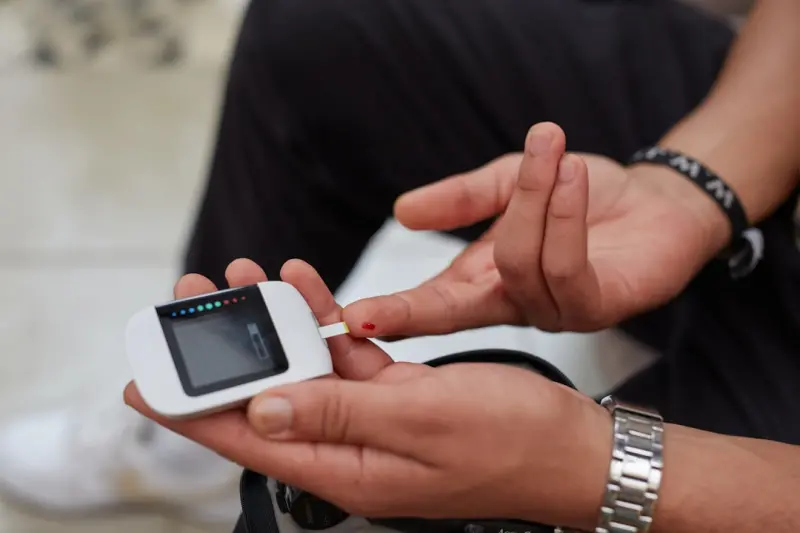
- Measure, Not Just Weight – Track metrics like fasting glucose, post‑meal glucose spikes, and resting heart rate. Use a simple spreadsheet or a health app that lets you log these data points alongside habit completion.
- Iterate Every Two Weeks – Review which stacks are solid and which need tweaking. Replace underperforming routines with new micro‑habits that fit the same cue.
Leveraging Technology Without Getting Lost in Data
Wearables and health apps can be powerful allies, but the goal is to keep the feedback loop simple. Choose tools that:
- Provide real‑time glucose trends (continuous glucose monitors) or at least a daily fasting reading.
- Send habit reminders tied to your chosen cues (e.g., a notification when you sit down).
- Offer visual dashboards that correlate habit completion with glucose outcomes—no raw data dump.
When the numbers align (e.g., a consistent 5‑mg/dL dip after a stretch‑and‑breath stack), the brain registers a reward, cementing the habit further.
Case Study: From “Almost Diabetic” to Stable A1C in 12 Weeks
Meet Maya, a 42‑year‑old product manager juggling remote work and two kids. Her baseline A1C hovered at 6.2%—borderline prediabetes. She felt stuck after trying “cut the carbs” diets that left her famished.
We built a habit‑stack plan:
- Cue: Morning coffee → Routine: Add a tablespoon of ground flax, sip, then do a 30‑second desk‑stand.
- Cue: Lunch prep → Routine: Pair every carb with a protein bite, followed by a box‑breath.
- Cue: Post‑meeting wrap‑up → Routine: 3‑second gratitude glance, then a stair‑snap.
Within four weeks, her fasting glucose dropped from 108 mg/dL to 95 mg/dL. By week twelve, her A1C settled at 5.8%—comfortably below the prediabetes threshold. The secret wasn’t a drastic diet; it was a network of micro‑wins that made healthier choices inevitable.
Common Pitfalls and How to Dodge Them
Over‑loading the Stack: Adding three new habits at once leads to fatigue. Start with one per pillar, master it, then layer the next.
Choosing the Wrong Cue: A cue must be reliable and frequent. If you’re inconsistent with coffee, don’t base a stack on it.
Neglecting the Reward: The brain needs a payoff. Pair each habit with a tangible reward—like a few minutes of favorite music after completing a stretch.
Relying Solely on Weight: Weight can stay static while glucose improves. Keep glucose‑centric metrics front and center.
Scaling the Approach in the Workplace
Many organizations now treat metabolic health as a productivity driver. By embedding habit stacks into corporate rituals (e.g., a “standing sprint” after every team huddle), you create a culture where movement, mindful eating, and stress reset are the norm rather than the exception.
Consider a quarterly “Habit Hackathon” where teams share their most effective stacks, turning peer learning into a data‑rich repository. The collective intelligence fuels continuous improvement—much like a crowdsourced prediabetes playbook.
Take the First Step Today
If you’re ready to move beyond the endless list of “do this, don’t do that” advice, start by identifying a single cue in your day and attaching a micro‑movement, nutrition tweak, or stress reset. Log the outcome for two weeks. Notice the subtle shift in energy, focus, and, most importantly, your glucose numbers. Then, stack another habit. Before you know it, you’ll have built a resilient habit ecosystem that keeps prediabetes at bay—without sacrificing the life you love.

Craig Brett is a freelancer with a passion for the outdoors. His love for nature inspires his work, bringing authentic and engaging perspectives to projects related to outdoor activities, adventure, and environmental topics.
Related Posts

Turning Prediabetes Into an Adventure Blueprint
A personal adventure‑first guide transforms prediabetes into a dynamic journey, using community ch... Read More
Micro‑Movement Moments: A Fresh Approach to Reversing Prediabetes
Learn how brief, intentional bursts of activity throughout the day can stabilize blood sugar, improv... Read More

Traveling with Prediabetes: Turning Trips into Metabolic Wins
Learn practical strategies for balancing blood sugar while traveling, from smart meal timing to onâ€... Read More
Top Posts

The Unspoken Ritual: How Vaping Shapes Our Daily Micro‑Moments
Vaping silently infiltrates our daily micro‑moments, turning idle pauses into habit loops. This article uncovers the psychological triggers, social cues, and ...Read More

Seasonal Strategies to Supercharge Your Liver’s Vitality
Learn practical, season‑specific nutrition and lifestyle tips that align your diet, movement, and rest with nature’s calendar, giving your liver the support...Read More

Tiny Rituals, Big Shifts: Redefining Pregnancy One Micro‑Moment at a Time
Explore how small, intentional rituals—like brief breath pauses, strategic food combos, and mindful digital boundaries—can reshape your pregnancy journey an...Read More

Cultivating Resilience: Community Gardens as a Healing Hub for Cancer Survivors
Discover how planting seeds in community gardens can improve immunity, reduce stress, and foster social connections for cancer patients, offering a holistic com...Read More
0 Comments
Post Comment
You will need to Login or Register to comment on this post!