
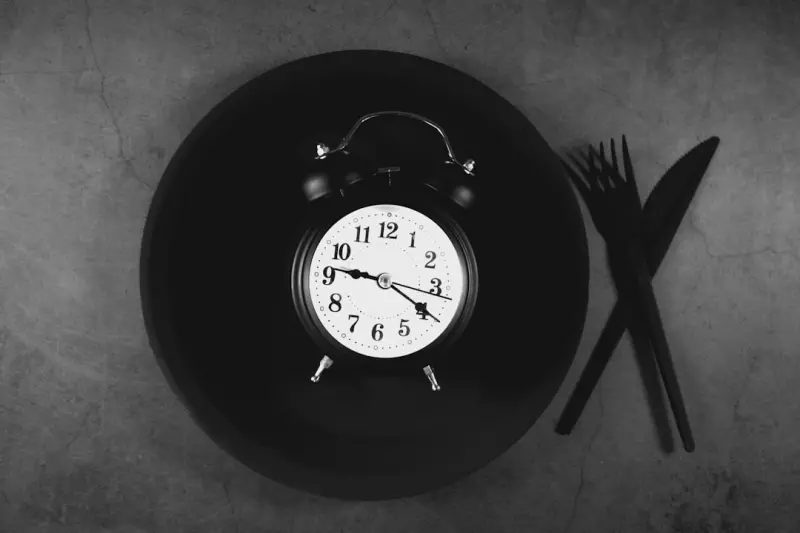
Why Timing Beats Counting: The Science of Chrono‑Nutrition for Blood Sugar Mastery
When most people think about blood sugar control, the first thing that pops into mind is “carb counting.” Yet, for many, meticulously tracking grams of glucose never translates into the steady energy curves they crave. The missing piece isn’t the numbers—it’s the when. Our bodies run on a 24‑hour internal clock, and aligning meals with that rhythm can turn a chaotic glucose roller‑coaster into a smooth, predictable ride.
The Hidden Clock Inside Every Cell
Every cell in your body hosts a tiny time‑keeper called a circadian clock. These clocks sync to daylight, darkness, and even the timing of our meals. When the peripheral clocks in liver, muscle, and fat cells receive the right signals at the right moments, they release hormones, enzymes, and transporters that handle glucose efficiently. Miss the cue, and you’ll see insulin resistance spike, cravings surge, and energy dip.
Research shows that eating late at night—especially heavy, carbohydrate‑rich meals—can blunt insulin sensitivity by up to 30 %. Conversely, a well‑timed breakfast that includes protein and healthy fats can prime the pancreas to release insulin more effectively throughout the day.
Mapping Your Personal Glucose Rhythm
Before you overhaul your diet, spend a week mapping how your blood sugar reacts to different eating windows. Use a continuous glucose monitor (CGM) if you have access, or simply log fasting glucose each morning and post‑meal readings. Look for patterns such as:
- Higher spikes after a late‑night snack.
- More stable readings when you eat a protein‑rich breakfast within an hour of waking.
- Flat, low‑variance curves when dinner ends before 7 pm.
These personal data points become the foundation for a chrono‑nutrition plan that respects your unique biology.
Three Pillars of Chrono‑Nutrition for Blood Sugar
1. The Early‑Bird Breakfast
Kick‑start your metabolic engine with a breakfast that includes protein, healthy fats, and a modest amount of low‑glycemic carbs. Think scrambled eggs with avocado and a side of berries, or Greek yogurt with chia seeds and cinnamon. The goal is to provide a steady glucose release that keeps insulin levels gentle, not spiking.
2. The Midday Window
Most people experience a natural dip in alertness around 2‑3 pm—your body’s “post‑lunch slump.” Counteract this by scheduling a light meal or snack that’s high in fiber and moderate in protein. A handful of nuts, a small apple, or a veggie‑rich salad with hummus works wonders. Avoid sugary pastries that will cause a rapid rise then crash.
3. The Early‑Evening Cut‑off
Finish your last substantial meal at least three hours before bedtime. This gives the liver time to process glucose and store glycogen without the pressure of overnight fasting. A dinner of grilled salmon, roasted vegetables, and quinoa aligns well with this rule. If you need a bedtime snack, opt for a low‑glycemic option like cottage cheese with a sprinkle of cinnamon.
Leveraging Technology Without Becoming a Data Slave
While the core of chrono‑nutrition is simple timing, technology can accelerate learning. Wearable CGMs, smart watches, and metabolic tracking apps can reveal hidden trends you’d never spot by intuition alone. But remember: tools are guides, not dictators. Use them to confirm hypotheses, not to micromanage every bite.
For a practical example of marrying tech with self‑awareness, check out this article on harnessing wearable tech to spot patterns before they become problems.
Nutrition Quality Still Matters
Timing is a game‑changer, but it doesn’t replace the fundamentals of a balanced diet. Prioritize:
- Low‑glycemic carbohydrates such as steel‑cut oats, sweet potatoes, and legumes.
- Healthy fats from olive oil, nuts, seeds, and fatty fish.
- Lean proteins like poultry, tofu, tempeh, and dairy.
These macronutrients slow glucose absorption, preventing sharp spikes and fostering a smoother insulin response.
Stress, Sleep, and the Glucose Equation
Stress hormones—cortisol and adrenaline—are potent glucose‑raising agents. Even if you nail your meal timing, a high‑stress day can sabotage your numbers. Pair chrono‑nutrition with stress‑management practices:
- Brief meditation or breathwork sessions after lunch.
- Short walks outdoors during natural light hours.
- Progressive muscle relaxation before bedtime to improve sleep quality.
Better sleep, in turn, sharpens the circadian signal, reinforcing the benefits of your eating schedule.
Case Study: From Evening Snacker to Morning Energizer
Mark, a 42‑year‑old software engineer, struggled with afternoon energy crashes despite a “healthy” diet. He logged his glucose for two weeks and discovered a pattern: a 9 pm habit of a chocolate‑filled protein bar was causing nocturnal spikes that persisted into the morning. By shifting that snack to a 10 am almond‑date ball and moving his dinner to 6 pm, his fasting glucose dropped from 108 mg/dL to 92 mg/dL, and his reported energy levels rose dramatically.
Mark’s story illustrates the power of a simple timing tweak—no drastic macro‑replacements, just a shift in the clock.
Integrating Gut Health for a Glucose Edge
Your gut microbiome influences glucose metabolism through short‑chain fatty acids and inflammation pathways. A diet rich in prebiotic fibers (onions, garlic, asparagus) and probiotic foods (kimchi, kefir) can amplify the benefits of chrono‑nutrition. For deeper insight into how gut health fuels overall vitality, see the piece on gut‑driven vitality.
Practical Tips to Get Started
- Set a Breakfast Alarm: Wake up, hydrate, and eat within 30 minutes.
- Define a Dinner Deadline: Mark your calendar with a “no‑cooking after 7 pm” reminder.
- Plan Light Mid‑Day Snacks: Keep a stash of nuts, seeds, or veggie sticks at your desk.
- Use Light to Reset Your Clock: Get sunlight exposure in the morning; dim lights after sunset.
- Review Data Weekly: Look for trends, not daily fluctuations.
Common Pitfalls and How to Avoid Them
“I’m Too Busy to Eat Early” – Prep breakfast the night before. Overnight oats or pre‑portion egg muffins save minutes.
“I Need a Late‑Night Snack for My Workout” – Opt for a low‑glycemic protein shake with almond milk, which fuels muscle repair without spiking glucose.
“I Can’t Stick to a Fixed Dinner Time” – Build flexibility by establishing a “latest acceptable dinner” rather than an exact hour. The key is to avoid eating right before sleep.
When to Seek Professional Guidance
If you have diabetes, pre‑diabetes, or any metabolic condition, collaborate with a registered dietitian or endocrinologist before making sweeping changes. They can help you interpret CGM data, adjust medication, and ensure your chrono‑nutrition plan is safe.
Wrapping Up: Your New Rhythm, Your New Energy
Managing blood sugar isn’t just about cutting carbs or counting calories; it’s about listening to the body’s internal clock and feeding it at the right moments. By integrating early‑day protein, a mid‑day fiber boost, and an early evening cut‑off, you create a metabolic environment where insulin works efficiently, energy stays stable, and cravings lose their grip.
Start small: shift one meal this week, track the impact, and build from there. In time, the rhythm will feel natural, and your glucose numbers will reflect the harmony.

William Roy is a freelance writer originally from Montreal who moved to Ottawa with his wife of 50 years to be closer to their grandkids. Alongside his writing, William has a passion for fishing.
Related Posts
Mastering Blood Sugar: A Conversational Approach to Glucose Stability
Learn how to treat your blood sugar like a conversation partner, using food pairing, breathwork, mic... Read More

Hydration Hacks: How Water Can Tame Blood Sugar Swings
Learn practical hydration habits—from morning electrolyte drinks to pre‑meal water cues—that h... Read More
Gamify Your Glucose: A Playful Path to Steady Blood Sugar for High‑Performance Professionals
Discover a data‑driven, gamified approach to blood sugar management that uses real‑time scoring,... Read More
Top Posts

Playful Fitness: Turning Everyday Fun into Serious Strength
Learn to transform workouts into playful activities using games, music, and tech, fostering joy and sustainable fitness while fitting into a hectic schedule....Read More

Rewriting the Inner Story: Narrative Shifts for Modern Mental Resilience
Discover how reframing your inner story can reduce stress, boost resilience, and improve well‑being at work and home by using simple narrative‑shifting prac...Read More

When the Couch Becomes a Clinic: How Virtual Reality is Transforming Physiotherapy
Virtual reality is turning physiotherapy into an immersive, data‑rich experience. Discover the science, benefits, and practical steps for integrating VR into ...Read More

Unlocking the Secrets of Longevity: A Holistic Playbook for 2026
A 2026‑focused, holistic guide reveals daily rituals, biometric monitoring, and community strategies that transform longevity from a goal into a sustainable l...Read More
0 Comments
Post Comment
You will need to Login or Register to comment on this post!