
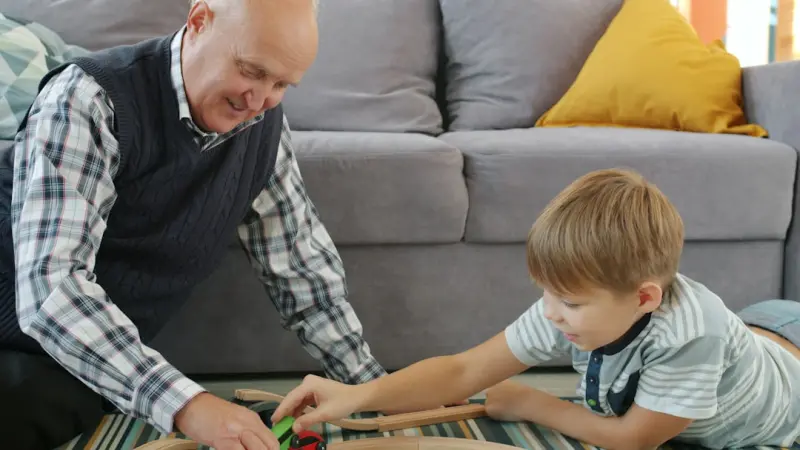
When I first walked into my community center’s weekly “Tech Talk” session, I expected to see a handful of retirees clutching their smartphones like fragile relics. Instead, I found a bustling mix of grandparents, high‑school students, and curious locals swapping stories about everything from garden tomatoes to the latest streaming platform. That unexpected tableau sparked a question that’s been buzzing in my mind ever since: could the simple act of teaching and learning across generations be the secret sauce for senior health?
Why Learning From Each Other Matters at Any Age
We often hear about “brain training” apps promising to keep cognition sharp, but the science tells us that true neuroplasticity thrives on real‑world challenges—novel tasks that push us just enough out of our comfort zone. When seniors step into a role as mentors, they’re not just recalling facts; they’re actively rehearsing communication, problem‑solving, and emotional regulation. These are the same mental muscles that research shows can slow age‑related cognitive decline.
Conversely, younger participants gain empathy, patience, and a deeper appreciation for history that no textbook can provide. The reciprocal nature of this exchange creates a feedback loop where both sides feel valued, energized, and more socially connected.
From Isolation to Inclusion: The Social Health Boost
Loneliness is a silent epidemic among older adults, linked to higher risks of heart disease, depression, and even mortality. While digital platforms promise connection, many seniors feel left out because of a steep learning curve or a lack of confidence. By pairing them with tech‑savvy volunteers in a structured, low‑stakes setting, we turn a potential source of anxiety into a bridge.
- Shared goals—whether it’s mastering a video call, creating a digital photo album, or navigating a health‑tracking app—give both parties a purpose.
- Regular meet‑ups—weekly or bi‑weekly sessions maintain momentum and build routine, which is crucial for habit formation.
- Celebrating milestones—a senior’s first successful Zoom call or a teenager’s newfound appreciation for classic cinema are tiny victories that reinforce self‑esteem.
These social rituals are more than feel‑good moments; they’re proven buffers against stress hormones and can improve sleep quality—another cornerstone of senior health.
Physical Benefits Hidden in the Learning Process
Teaching isn’t a sedentary activity. When seniors demonstrate how to fold a newspaper, set up a smart speaker, or guide a younger person through a garden‑to‑table recipe, they’re often standing, moving, and using fine motor skills. These micro‑activities align perfectly with the principles outlined in micro‑movement mastery. Small, intentional motions—like reaching for a tablet, tapping a keyboard, or gesturing during a demonstration—keep joints lubricated and muscles engaged without the risk of overexertion.
Moreover, the excitement of a successful lesson can trigger a release of dopamine, encouraging seniors to stay active and explore more physically demanding hobbies, such as gardening, dancing, or even gentle hiking.
Technology as a Health Ally, Not a Barrier
One of the biggest misconceptions about seniors and tech is that devices are intimidating. In reality, many modern wearables and health apps are designed with simplicity in mind. When paired with a patient mentor, seniors can unlock powerful tools for monitoring blood pressure, tracking daily steps, or even detecting early signs of infection.
Take the example of wearable health tech. A senior who learns to interpret their heart‑rate trends or sleep patterns can make informed decisions about when to rest, hydrate, or seek medical advice. This self‑efficacy reduces anxiety and empowers them to take charge of their well‑being.
Integrating technology into intergenerational programs also gives younger participants a real‑world context for the tools they use daily, reinforcing the relevance of health data beyond abstract numbers.
Designing a Successful Intergenerational Program
Launching a community‑wide initiative may sound daunting, but breaking it down into manageable steps makes the process both scalable and sustainable.
- Identify partners: Reach out to local schools, colleges, and retirement communities. Many educational institutions have service‑learning requirements that align perfectly with this model.
- Define clear objectives: Whether the goal is to improve digital literacy, boost physical activity, or simply foster companionship, having measurable outcomes helps keep the program on track.
- Curate a flexible curriculum: Offer a menu of activities—tech tutorials, cooking classes, storytelling circles, and DIY crafts—so participants can choose what resonates most.
- Train volunteers: Provide short workshops on patience, communication strategies, and basic senior safety. This prepares younger mentors to be supportive rather than condescending.
- Gather feedback: Use short surveys or informal chats after each session to understand what’s working and where adjustments are needed.
By treating the program as a living organism that evolves based on participant input, you ensure relevance and longevity.
Success Stories: Real‑World Impact
In a pilot program I consulted on last spring, a group of 30 seniors paired with 15 high‑school students met every Thursday afternoon. Within six weeks, the seniors reported a 40% reduction in feelings of isolation, measured by a simple Likert scale questionnaire. One participant, a retired librarian named Margaret, said she finally felt “comfortable enough to post my own garden photos on Instagram,” a feat she once thought impossible.
On the flip side, the students discovered a newfound respect for patience and learned a surprising amount about local history and traditional cooking methods. Their teachers noted an uptick in class participation and a measurable boost in empathy scores during social‑emotional learning assessments.
These anecdotes aren’t isolated. Across the country, similar programs have reported improvements in blood pressure control, reduced medication reliance, and enhanced overall mood among senior participants.
Overcoming Common Hurdles
Even the most well‑intentioned initiatives can hit roadblocks. Here are strategies to keep the momentum going:
- Address tech anxiety early: Start each session with a low‑stakes icebreaker—like setting a timer on a phone—to demystify the device.
- Ensure accessibility: Provide large‑print handouts, adjustable lighting, and seating that accommodates mobility aids.
- Celebrate diversity: Encourage participants to share cultural recipes, music, or stories, creating a richer, more inclusive environment.
- Maintain safety protocols: Especially when activities involve cooking or light physical tasks, have clear safety guidelines and first‑aid resources on hand.
Measuring the Ripple Effect
Beyond anecdotal feedback, consider incorporating simple metrics to evaluate program success:
- Health markers: Track average steps per day, blood pressure readings, or sleep quality before and after participation.
- Engagement rates: Monitor attendance, repeat participation, and the number of new connections formed.
- Quality of life surveys: Use validated tools like the WHOQOL‑BREF to gauge shifts in physical, psychological, and social domains.
Data collection not only validates the program’s impact but also provides compelling evidence for future funding or expansion.
Looking Ahead: A Blueprint for Community Resilience
As the population ages, the need for innovative, low‑cost health strategies becomes more urgent. Intergenerational learning offers a scalable solution that leverages existing community assets—people, curiosity, and the universal desire to belong. By embedding health‑promoting activities into everyday social interactions, we create a ripple effect that transcends the confines of any single program.
Imagine a future where every senior center hosts a weekly “Digital Café,” where seniors sip tea while guiding teens through photo‑editing, and in return, learn the latest health‑monitoring app. Picture neighborhoods where grandchildren regularly visit grandparents to help them set up medication reminders, turning what could be a chore into a cherished bonding moment.
These scenarios aren’t fantasies; they’re attainable outcomes when we shift our perspective from viewing seniors as passive recipients of care to recognizing them as active contributors to communal well‑being. The “community cure” isn’t a single pill—it’s a tapestry woven from shared knowledge, mutual respect, and the simple joy of learning together.

Deb Roberts is a freelancer who writes on various subjects, bringing versatility and depth to her work. Alongside her broad writing expertise, she has a special passion for horses.
Related Posts
How Smart Pillboxes Are Redefining Senior Independence
Smart pillboxes turn medication management into a confidence‑boosting routine, offering reminders,... Read More

Storytelling Bridges: How Intergenerational Narratives Boost Senior Health
Sharing personal memories with younger generations activates brain regions, releases bonding hormone... Read More

Storytelling for Seniors: Turning Memories into Medicine
A guide for older adults on using personal narratives to sharpen memory, reduce stress, and foster c... Read More
Top Posts

How Tiny Food Ferments Can Supercharge Your Gut and Mood
A practical guide to starting micro‑ferments at home, linking gut health to better mood and focus, with easy recipes and science‑backed tips....Read More

Sweat, Breath & Skin: Unlock Hidden Body Detox
Explore a fresh detox approach using walking, targeted breathing, contrast showers, and dry brushing to mobilize lymph, clear skin, and enhance overall vitality...Read More

Micro‑Hormetic Strategies: Small Daily Stressors That Add Up to Longer Life
Lifan Chen explores the power of micro‑hormesis—tiny, daily stressors such as brief cold showers, short movement bursts, light timing, and digital micro‑b...Read More

The Unexpected Gifts Hidden in Sleep Terrors
Sleep terrors can feel alarming, but they often signal unresolved emotions. This post offers a compassionate framework to decode those nightly alerts, turning f...Read More
0 Comments
Post Comment
You will need to Login or Register to comment on this post!