
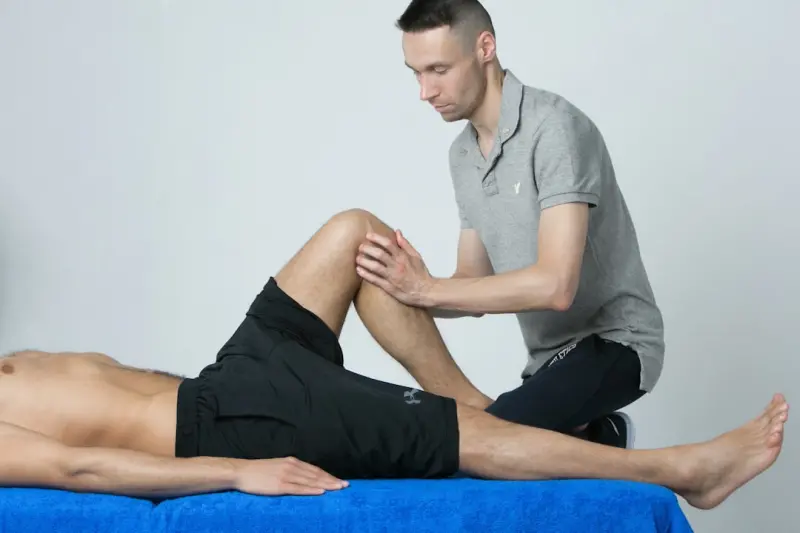
Why Traditional Physiotherapy Needs a Modern Upgrade
When I first stepped onto a physiotherapy mat after a marathon, the room smelled faintly of antiseptic and the walls were lined with generic posters about posture. It was effective, but it felt like I’d walked into a museum of old‑school rehab. Over the years, I’ve watched the same static approaches dominate the field while the work environment has mutated into a digital battlefield of endless meetings, back‑to‑back video calls, and the dreaded “always‑on” culture. The result? A new class of chronic complaints—tight hips from swivel chairs, neck strain from phone screens, and a lingering sense of fatigue that no amount of coffee can fix.
Physiotherapy, at its core, is about restoring optimal movement. Yet the definition of “optimal” has shifted. It’s no longer just about recovering from a sports injury; it’s about preventing the slow, cumulative damage caused by hours of static sitting. In this piece, I’ll unpack a fresh framework that blends movement literacy, neuro‑muscular re‑education, and wearable tech to create a physiotherapy model that actually fits the modern professional’s life.
The Silent Epidemic: Sedentary Strain
According to multiple workplace health studies, the average office worker spends more than 70% of the day seated. This prolonged immobility does more than weaken the glutes—it alters the neural pathways that govern movement. The brain’s motor map becomes “lazy,” leading to reduced proprioception and a higher risk of injury when we finally stand up and move.
Traditional physiotherapy often tackles these issues after they’ve manifested as pain. By then, the nervous system has already rewired itself to compensate, creating compensatory patterns that are harder to reverse. What we need is a proactive approach that re‑educates the brain before the body breaks down.
Movement Literacy: The New Foundational Skill
Think of movement literacy as the “grammar” of physical activity. Just as a writer learns punctuation before crafting a novel, our bodies need a basic vocabulary of movement—flexion, extension, rotation, and stabilization—before we can execute complex tasks.
- Micro‑Mobility Drills: Simple joint circles performed for 30 seconds each (ankles, knees, hips, thoracic spine) to keep the synovial fluid flowing.
- Dynamic Stability: Engaging the core while performing controlled limb movements, reinforcing the link between stability and mobility.
- Proprioceptive Awareness: Closing the eyes during basic movements to sharpen the body’s internal sensor network.
When these drills become habit, the brain’s motor cortex maintains a robust, flexible map, reducing the risk of over‑use injuries and chronic tension.
Neuro‑Muscular Re‑Education: Going Beyond Stretching
Stretching alone is a band‑aid. The real magic happens when we pair stretch with activation. For example, a tight hip flexor isn’t just a muscle that needs lengthening; it’s a motor unit that has lost its firing pattern. By using activation‑first protocols, we awaken the glutes, hamstrings, and core before we even think about elongating the hip flexors.
One of my favorite tools is the reverse‑engineered squat. Instead of telling a client “sit back into a squat,” I cue them to “press the floor away with the big toe while keeping the spine neutral.” This simple shift activates the posterior chain first, creating a cascade of proper muscle firing that prevents the “knees over toes” myth from re‑emerging.
Wearable Tech as a Physiotherapy Ally
We’re living in an age where a smartwatch can alert you to a sudden spike in heart rate; why not let it guide your movement patterns? By integrating wearables that track posture, range of motion, and muscle activation, physiotherapists can deliver real‑time feedback that bridges the gap between clinic and desk.
For instance, a sensor‑embedded shirt can vibrate gently when a user slouches for more than 30 minutes, prompting an immediate micro‑break. Similarly, a foot pressure mat can highlight asymmetries during a simple standing balance test, giving the practitioner data to craft a personalized corrective plan.
Speaking of data‑driven feedback, you might find the concept of real‑time biofeedback fascinating. While that article focuses on blood pressure, the underlying principle—instantaneous physiological data informing behavior—applies directly to movement correction.
Integrating Breath and Proprioception
Breath is the silent conductor of our nervous system. Controlled diaphragmatic breathing can shift the autonomic balance toward parasympathetic dominance, creating a calmer, more focused mind ready to learn new movement patterns.
During a proprioceptive drill, I ask clients to inhale deeply, expand the ribcage, and then exhale while performing a controlled arm raise. This synchrony links the breath with the motor output, reinforcing neural pathways and improving motor learning speed.
Case Study: From Desk‑Bound to Dynamic
Emily, a senior project manager, spent 10+ hours daily in front of two monitors. She reported chronic lower‑back pain, neck stiffness, and occasional headaches. Traditional physiotherapy offered her a series of stretches and a foam‑roller routine, but the pain persisted.
We implemented a three‑phase program:
- Assessment & Baseline Data: Using a wearable posture tracker, we recorded her slouching frequency and identified a right‑side dominance in weight distribution.
- Neuro‑Muscular Activation: Daily 5‑minute micro‑drills focused on glute activation, thoracic rotation, and scapular re‑traction, always paired with diaphragmatic breathing.
- Feedback Loop: The posture tracker sent gentle haptic alerts when Emily exceeded 30 minutes of static sitting, prompting a 30‑second mobility break.
After eight weeks, Emily’s pain scores dropped by 70%, her posture tracker reported a 40% reduction in slouch time, and she reported feeling “more energized” throughout the day. The success lay not in a single intense session, but in the consistent, low‑friction integration of movement into her workday.
A Practical 5‑Minute Desk Routine
For those who think they don’t have time, here’s a quick routine you can do right at your workstation:
- Seated Cat‑Cow (1 minute): Sit tall, inhale to arch the back (cow), exhale to round it (cat). This mobilizes the thoracic spine.
- Hip Flexor March (1 minute): While seated, lift each knee toward the chest, alternating, to activate the hip flexors and glutes.
- Scapular Retraction (30 seconds): Pull shoulders back and down, hold, then release. Repeat 5 times.
- Standing Calf Stretch with Balance (1 minute): Place hands on the desk, step one foot back, press the heel down, and gently rock forward and back.
- Deep Breath Reset (30 seconds): Inhale for a count of 4, hold for 2, exhale for 6, repeat 4 times while visualizing a smooth, fluid movement pattern.
This routine may look modest, but it activates key muscle groups, stimulates proprioception, and gives the brain fresh sensory input—exactly what a sedentary mind needs.
Building a Culture of Motion in the Workplace
Physiotherapy shouldn’t be an isolated event; it must become part of the organizational DNA. Leaders can champion movement by:
- Designating “movement minutes” during long meetings.
- Providing standing desks or balance boards.
- Encouraging teams to share their micro‑drill successes on internal channels.
- Inviting physiotherapists for quarterly “movement labs” that blend education with hands‑on practice.
When you pair these cultural shifts with the concept of decision hygiene—the practice of simplifying mental load—you create an environment where body and mind can thrive in unison.
Future Outlook: AI‑Powered Physiotherapy
Imagine an AI that analyzes your wearable data, identifies subtle movement deviations, and prescribes a personalized micro‑drill playlist that syncs with your calendar. This isn’t sci‑fi; prototypes are already emerging in research labs. The next wave of physiotherapy will be anticipatory rather than reactive, catching maladaptive patterns before they manifest as pain.
Until those AI assistants land on every desk, the responsibility rests with us—physiotherapists, clinicians, and individuals alike—to adopt a proactive mindset, embed movement literacy, and leverage the tools we already have.
Closing Thoughts
Physiotherapy has the potential to be the silent catalyst that transforms a desk‑bound workforce from a collection of passive sitters into an agile, resilient community. By reimagining our approach—focusing on neuro‑muscular activation, movement literacy, and technology‑enabled feedback—we can prevent the cascade of chronic complaints that plague modern professionals.
Remember, the goal isn’t to turn every office into a gym; it’s to embed micro‑moments of purposeful movement throughout the day. Those moments, stitched together, become the foundation for a healthier spine, a sharper mind, and a more productive you.

Brody Lambert is an emerging freelance writer whose fresh voice and thoughtful approach are quickly making their mark. As a fairly new entrant in the world of freelance writing, Brody brings a blend of curiosity and dedication that fuels every project, crafting stories and content that resonate with authenticity and clarity.
Related Posts
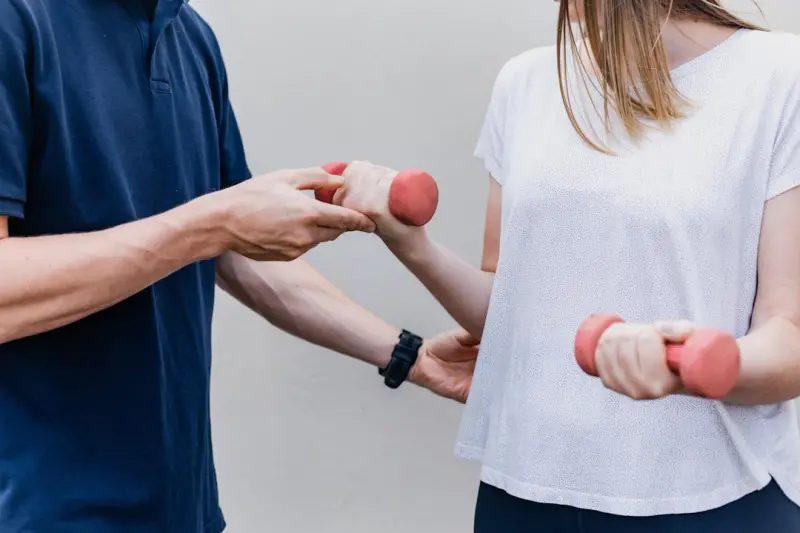
Micro‑Break Mastery: A Physiotherapist’s Blueprint for Office Wellness
Discover a physiotherapist’s simple micro‑break system to combat office‑related pain, boost mo... Read More
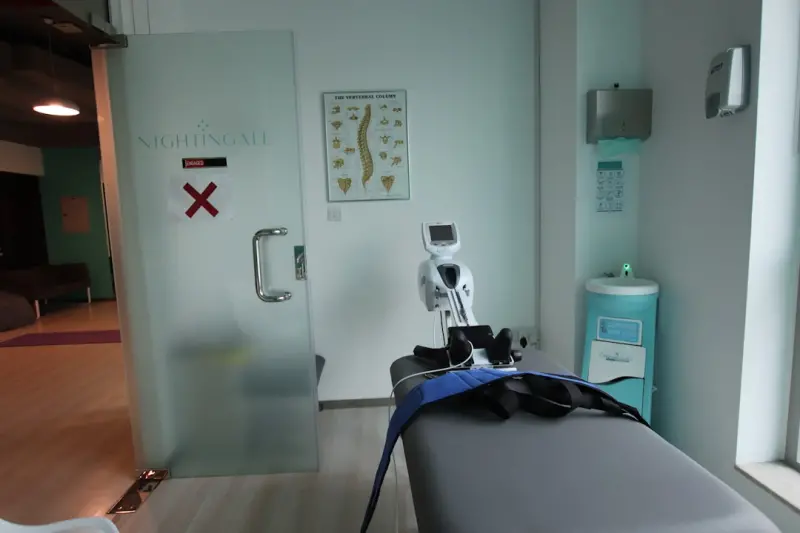
Reimagining Physiotherapy: How Virtual Care is Transforming Rehab
Explore the rise of virtual physiotherapy, its scientific foundations, habit‑based strategies, and... Read More
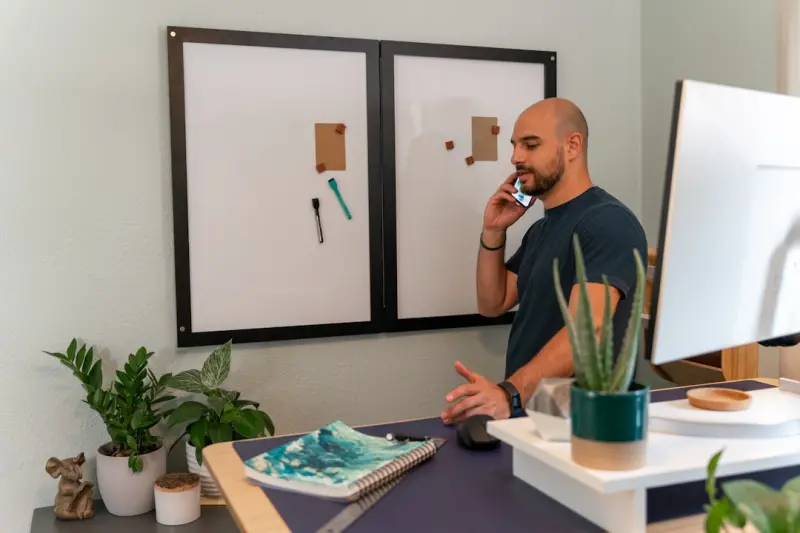
Reimagining the Home Office: A Physiotherapist’s Playbook for Movement‑Rich Workdays
Learn how to integrate physiotherapy‑backed micro‑bites, dynamic stretches, ergonomic tweaks, an... Read More
Top Posts
Micro‑Movements and Wearables: A New Playbook for Blood Pressure Mastery
A practical guide shows how micro‑movements, breathing techniques, and next‑gen wearables create a real‑time feedback loop that helps high‑performers ma...Read More

Redefining the Vape Ritual: A Personal Journey to Breath‑First Living
A personal guide to swapping vape habits for mindful rituals, sensory tools, and creative outlets, fostering a breath‑first lifestyle without nicotine....Read More
Beyond the Gym: How Everyday Systems Shape Your Muscle Gains
A unique take on muscle building that goes beyond lifts—learn how daily rhythms, micro‑habits, gut health, and community support can turbo‑charge your gai...Read More

Cold Showers, Digital Declutter, and the Modern Man’s Quest for Peak Vitality
A practical guide for men that combines cold showers, digital minimalism, and meaningful daily rituals to boost energy, hormone health, and overall resilience....Read More
0 Comments
Post Comment
You will need to Login or Register to comment on this post!