
Living with prediabetes feels a lot like standing at a crossroads with a sign that says “you’ve got options.” It’s not a diagnosis that shouts, it’s a whisper that nudges you to look at the bigger picture of how you show up in the world. I’ve spent the past few years turning that whisper into a conversation with my own body, my environment, and the people around me. In this piece, I’m pulling back the curtain on the practical, often overlooked ways to transform prediabetes from a looming threat into a catalyst for a richer, more intentional life.
Reframing the Narrative: From “Risk” to “Opportunity”
Most health messaging frames prediabetes as a ticking clock—something you must fix before it turns into full‑blown diabetes. While that urgency has its place, it can also create a mindset of dread rather than empowerment. I chose to flip the script. Instead of asking, “How do I avoid a disease?” I asked, “What can I learn about my body’s signals, and how can I redesign my daily habits to feel stronger, sharper, and more in control?” This subtle shift from a fear‑based narrative to a curiosity‑driven one changes the emotional tone of the entire journey.
Listening to the Body’s Language
Our bodies are constantly sending us data—energy dips after a heavy lunch, foggy thoughts after a late‑night snack, or a sudden craving for something sweet when stress spikes. When I first learned I was prediabetic, I started a simple habit: a five‑minute “check‑in” after each meal. I’d note how I felt physically and emotionally, without judgment. Over weeks, patterns emerged. I discovered that my afternoon slump wasn’t just about caffeine; it was linked to a lack of fiber and a rushed lunch break. Those tiny insights built a roadmap for change that felt personal rather than generic.
Building a Supportive Ecosystem
Changing habits in isolation is like trying to learn a new language without a teacher. I reached out to friends, coworkers, and even online communities who were also navigating blood‑sugar nuances. We swapped recipes, set up walking challenges, and held each other accountable through weekly “wins” posts. The social dimension turned a solitary health goal into a shared adventure, making it easier to stay on track when life got hectic.
Micro‑Adjustments, Not Overhauls
One of the biggest misconceptions about prediabetes is that you need a drastic diet overhaul overnight. In reality, sustainable change often comes from micro‑adjustments that compound over time. For example, swapping a sugary soda for sparkling water with a splash of citrus adds less than 10 calories and reduces a spike in glucose. Replacing a refined‑grain bagel with a whole‑grain alternative adds extra fiber that slows carbohydrate absorption. These tiny swaps feel manageable and, when added up, can shift the overall glycemic load dramatically.
Movement That Feels Good, Not Like a Punishment
Exercise is a cornerstone of glucose regulation, but the word “exercise” can trigger images of grueling gym sessions. I experimented with movement that felt playful and aligned with my interests—short bike rides to the park, dancing in the living room while cooking, or quick body‑weight circuits during TV commercials. The key is to make movement a natural part of the day rather than a scheduled chore. Over time, my muscles became more efficient at pulling glucose out of the bloodstream, and I noticed a steady improvement in energy levels.
Mindful Stress Management
Stress hormones, particularly cortisol, can raise blood sugar even when you haven’t eaten. I incorporated brief mindfulness pauses throughout the day—three deep breaths before answering emails, a five‑minute stretch break after long meetings, and a gratitude note before bed. These moments weren’t about achieving “zen”; they were about creating a buffer that prevented stress spikes from turning into glucose spikes.
Sleep as a Foundation
Sleep deprivation is a silent driver of insulin resistance. I began tracking my sleep patterns using a simple journal, noting bedtime, wake time, and any nighttime awakenings. By setting a consistent sleep window and creating a wind‑down routine (dim lights, a cup of herbal tea, and a short reading session), I saw a noticeable reduction in morning fasting glucose readings. Quality sleep turned out to be one of the most powerful, yet often overlooked, tools in my prediabetes toolkit.
Technology as a Quiet Companion
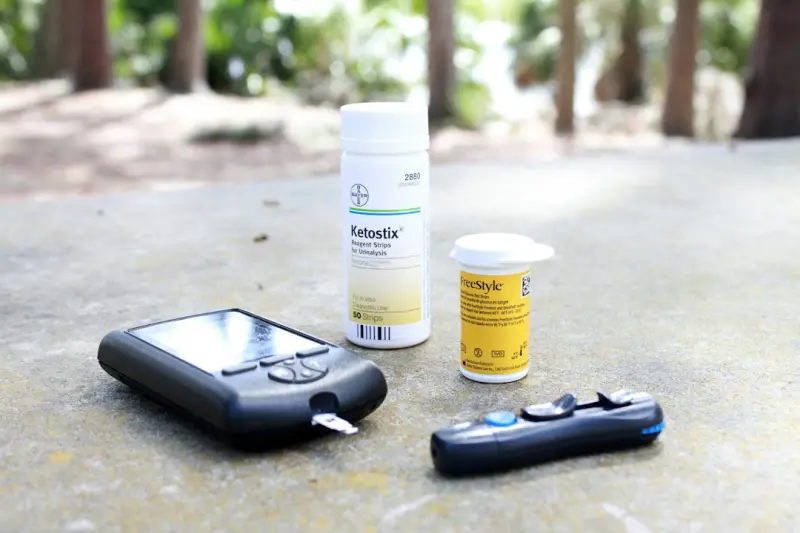
While I’m not a fan of constantly checking my phone, I do appreciate tools that provide actionable insights without overwhelming me. A continuous glucose monitor (CGM) can be a game‑changer, offering real‑time feedback on how foods, activity, and stress affect my numbers. For those who prefer a less invasive approach, a basic blood‑glucose meter paired with a spreadsheet can reveal trends over weeks, helping you spot the hidden culprits behind spikes.
Nutrition Beyond Carbohydrates
Most conversations about prediabetes zero in on carbs, but protein, healthy fats, and micronutrients play equally vital roles. Including a source of protein at each meal—like beans, fish, or lean poultry—helps blunt glucose spikes. Healthy fats, such as avocado, nuts, and olive oil, also slow digestion, providing a steadier release of energy. I also pay attention to magnesium and chromium, minerals that support insulin sensitivity. A colorful plate, rich in leafy greens, colorful vegetables, and lean proteins, becomes my go‑to visual cue for balanced meals.
Finding Joy in the Process
When you treat health changes as a series of experiments rather than a rigid plan, curiosity replaces frustration. I set weekly “mini‑goals,” like trying a new vegetable or walking an extra 1,000 steps. Successes, no matter how small, fuel motivation. If a goal falls short, I view it as data—what blocked me? Was it a busy schedule, a lack of preparation, or simply a craving for comfort food? This iterative approach keeps the journey dynamic and enjoyable.
Linking Back to Broader Lifestyle Design
My prediabetes journey intersected with other areas of personal growth. For instance, I discovered that balanced blood sugar strategies dovetail with my quest for sustained energy during creative projects. Similarly, exploring fun fitness approaches reminded me that movement can be a source of pleasure, not just a health metric. By weaving these threads together, I’ve built a lifestyle that feels cohesive rather than fragmented.
Celebrating the Small Wins
Recognition matters. I keep a visible “wins board” in my kitchen—a magnetic board where I pin notes like “walked 30 minutes after work” or “chose a fruit instead of candy.” Seeing these achievements daily reinforces positive behavior and creates a visual narrative of progress. Over months, the board transforms into a tapestry of healthier choices, reminding me that every decision contributes to a larger story.
Preparing for the Long Haul
Prediabetes isn’t a one‑time event; it’s a continuous dialogue with your body. I’ve learned to view each month as a checkpoint rather than a deadline. Regular check‑ins with a healthcare professional, annual lab work, and periodic reassessments of my habits keep the conversation alive. The goal isn’t to “cure” prediabetes overnight but to cultivate habits that make the condition a background note rather than the headline of your life.
Final Thoughts: Turning a Warning Into a Blueprint
When I first heard the term “prediabetes,” I felt a mix of alarm and curiosity. By shifting my perspective, listening closely to my body, building a supportive community, and embracing micro‑adjustments, I transformed that warning into a blueprint for a more intentional, vibrant life. The journey isn’t linear, and setbacks happen, but each step forward builds resilience. If you’re standing at that same crossroads, remember: the path you choose can lead not only to better glucose numbers but to a richer, more connected version of yourself.

Nikki McDonald is a freelancer based in Waterloo. She brings her skills and expertise to various projects, balancing her professional work with a personal life that includes her husband, Stewart.
Related Posts
Predictive Analytics: Reframing Prediabetes as a Power Move
A data‑centric look at prediabetes shows how real‑time glucose tracking, targeted micro‑adjust... Read More

Prediabetes Breakthroughs in 2026: My Holistic Playbook for Reversing Risk
A personal, data‑driven guide reveals how to flip prediabetes into vibrant health using nutrition,... Read More
When Food Becomes Medicine: Community Cooking as a Game‑Changer for Prediabetes
A fresh approach to prediabetes: learn how gathering friends for creative, spice‑rich meals builds... Read More
Top Posts

Sweat the Stress Away: Why Saunas Are a Game‑Changer for Men’s Health
Regular sauna use offers men a low‑tech, high‑impact health boost—enhancing heart function, testosterone levels, brain health, muscle recovery, and even c...Read More

Strategic Pregnancy: Balancing Career Growth, Finances, and Well‑Being
Discover how to turn pregnancy into a strategic advantage with career pivots, financial planning, micro‑movement health hacks, and leadership storytelling—a...Read More

Why Sensory Play Is the Secret Sauce for Infant Brain Growth
Learn how simple, intentional sensory activities—like varied textures, sounds, and light—can strengthen an infant’s neural pathways, supporting faster mil...Read More

When the Night Won’t Cooperate: Rewiring Insomnia with Sensory Reset
A step‑by‑step guide to mapping your night‑time sensory landscape, adjusting light, sound, temperature, and using simple data tools to transform restless ...Read More
0 Comments
Post Comment
You will need to Login or Register to comment on this post!