
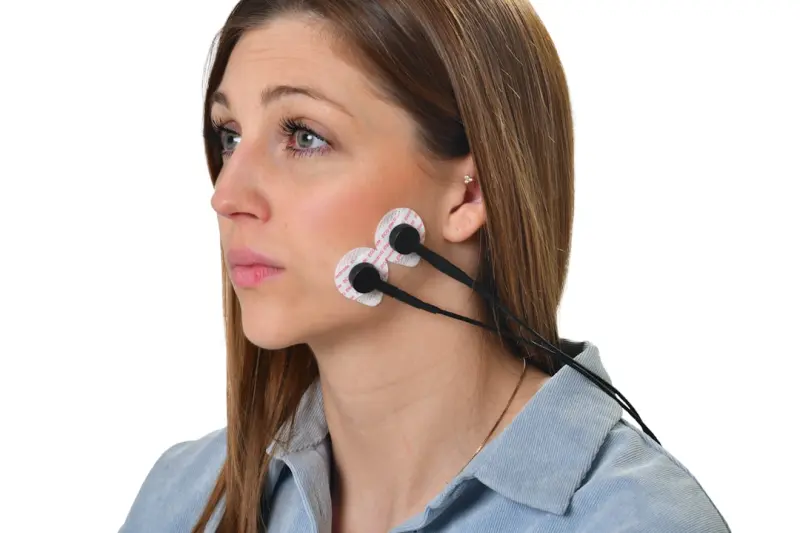
The Sensor Revolution Hits Autoimmune Care
When a wearable device tells you you’ve taken 10,000 steps, most people celebrate the achievement. For someone living with an autoimmune condition, the same data can be a lifeline. Modern sensors now capture heart‑rate variability, skin temperature, galvanic skin response, and even subtle changes in sleep architecture—all of which correlate with the early whispers of a flare‑up. The shift from reactive treatment to proactive, data‑driven management is no longer a futuristic fantasy; it’s happening in clinics, support groups, and bedside tables across the globe.
Why Traditional Tracking Falls Short
Historically, patients have relied on symptom diaries, occasional blood tests, and periodic appointments to map the course of their disease. Those methods are plagued by recall bias, infrequent sampling, and the emotional toll of waiting for a lab result before taking action. Moreover, the “one‑size‑fits‑all” approach ignores the personal rhythms that dictate when an immune system decides to flare. Wearable technology fills these gaps by delivering continuous, granular data that can be visualized in real time, empowering patients to recognize patterns before a full‑blown episode erupts.
Key Biometrics That Matter
Not every data point is equally informative. Researchers have identified a handful of metrics that consistently precede autoimmune flare‑ups:
- Heart‑Rate Variability (HRV): A dip in HRV often signals heightened sympathetic activity, a precursor to inflammation.
- Skin Conductance: Elevated galvanic skin response can indicate stress‑induced cytokine release.
- Resting Skin Temperature: Subtle rises may reflect low‑grade fever before symptoms become noticeable.
- Sleep Staging Disruptions: Shallow REM cycles correlate with dysregulated immune signaling.
When these signals converge, algorithms can flag a “high‑risk window,” prompting the wearer to implement mitigation strategies.
Integrating Data Into Daily Life
Collecting data is only half the battle; interpreting it in a way that fits a busy lifestyle is the true challenge. Many platforms now offer customizable dashboards that translate raw numbers into actionable insights. For instance, a dip in HRV combined with rising skin temperature could generate a gentle reminder: “Consider a short meditation, hydrate, and review your anti‑inflammatory diet.” This approach transforms abstract metrics into concrete, low‑effort habits that can blunt the cascade leading to a flare.
The Role of Nutrition and relationship with food
Nutrition remains a cornerstone of autoimmune management, but the science has moved beyond generic “anti‑inflammatory” lists. Wearables can now sync with nutrition‑tracking apps, allowing users to see how specific meals affect their biometrics. For example, a high‑sugar snack might cause a transient spike in resting skin temperature, while omega‑3‑rich foods could stabilize HRV. By linking dietary choices directly to physiological responses, patients can experiment with personalized eating patterns that truly resonate with their bodies.
Community Intelligence: Learning From Peers
Beyond personal data, the collective wisdom of fellow sufferers is a powerful resource. Emerging platforms harness AI‑driven health communities to aggregate anonymized biometric trends, offering users a macro view of what works for people with similar profiles. Imagine a dashboard that tells you “80% of users with a similar HRV dip found relief after a 15‑minute mindfulness session.” This blend of individual monitoring and community‑level insight creates a feedback loop that accelerates learning and reduces trial‑and‑error.
Bridging the Gap to Clinical Care
Physicians are increasingly open to integrating wearable data into electronic health records. When a patient presents with a flare, the clinician can review weeks of continuous data rather than a snapshot taken during the office visit. This richer context enables more precise adjustments to medication dosage, timing, and adjunct therapies. Some health systems now offer “remote monitoring programs” where alerts trigger a telehealth check‑in before the patient even feels the need to call.
Addressing Privacy and Data Overload
With great data comes great responsibility. Users must navigate consent, data ownership, and the potential for information fatigue. Platforms that prioritize transparent privacy policies and give users control over what is shared mitigate these concerns. Additionally, smart filtering—where only clinically relevant alerts surface—prevents the dreaded “alarm fatigue” that can erode trust in the technology.
Future Horizons: From Prediction to Prevention
The ultimate goal is not just to detect an impending flare but to prevent it altogether. Ongoing research explores closed‑loop systems where wearable sensors trigger automated interventions, such as adjusting a wearable‑delivered vagus nerve stimulator or dispensing a micro‑dose of a prescribed medication. While still in early stages, these prototypes hint at a future where the body’s own warning signs are met with immediate, targeted countermeasures, turning chronic management into a seamless, almost invisible process.
Putting It All Together
Living with an autoimmune disease demands constant vigilance, adaptability, and resilience. Wearable technology offers a new paradigm: a partnership between body, data, and community that empowers individuals to anticipate, understand, and mitigate flare‑ups before they dominate daily life. By embracing continuous biometrics, aligning nutrition, leveraging peer insights, and collaborating with clinicians, patients can reclaim agency over their health narrative—one data point at a time.

Craig Brett is a freelancer with a passion for the outdoors. His love for nature inspires his work, bringing authentic and engaging perspectives to projects related to outdoor activities, adventure, and environmental topics.
Related Posts

Rethinking Your Clock: How Sleep Patterns Influence Autoimmune Health
This post explores the powerful link between circadian rhythms and autoimmune disease, offering prac... Read More

The Light Switch Inside: Aligning Seasonal Daylight with Autoimmune Health
A deep dive into how seasonal shifts in daylight influence hormone balance and immune function, offe... Read More
Conducting Your Autoimmune Health: The Power of Everyday Choices
A deep dive into how everyday habits—nutrition, sleep, stress handling, community, and technologyâ... Read More
Top Posts

From Potluck to Powerhouse: How Shared Meals Transform Workplace Culture
Shared meals do more than satisfy hunger—they build trust, spark creativity, and boost productivity. Learn practical strategies to turn everyday lunches into ...Read More

Gut‑First Strategies: Rebalancing Microbiome, Movement, and Mind for Autoimmune Relief
Learn how a gut‑centric approach, combined with gentle movement, seasonal foods, digital boundaries, and supportive communities, can soothe autoimmune symptom...Read More

Beyond Muscles: Building Emotional Strength for Modern Men
A fresh look at men's health that goes beyond physical training, exploring emotional fitness, narrative breathing, gut health, and community to build lasting re...Read More

Confronting Sleep Terrors in 2026: My Holistic Path to Restful Nights
A personal, holistic roadmap for 2026 that tackles sleep terrors through nutrition, breathwork, environment detox, and nightly rituals, guiding you toward calm,...Read More
0 Comments
Post Comment
You will need to Login or Register to comment on this post!