
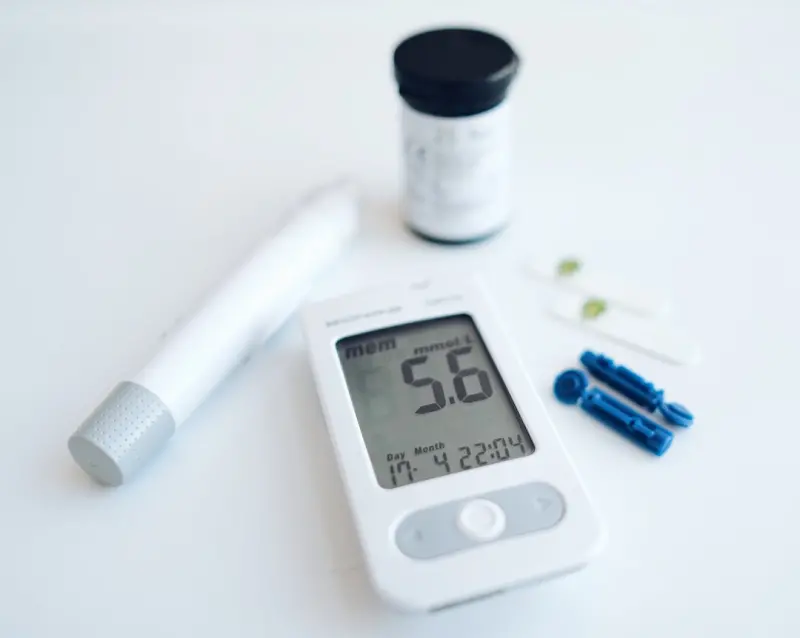
Why Prediabetes Is Your Body’s Early Warning System (And How to Turn It Into a Competitive Edge)
When I first heard the term “prediabetes,” my brain automatically ran to the familiar checklist: “lose weight, cut carbs, hit the gym.” It felt like yet another health directive slapped on a busy professional’s to‑do list. But after digging into the science and watching countless clients wrestle with the label, I realized prediabetes isn’t just a warning—it’s a data point, a conversation starter, and, surprisingly, a lever for strategic performance.
Reframing the Narrative: From “Risk” to “Opportunity”
Most health narratives treat prediabetes as a looming threat—something to avoid at all costs. That framing creates anxiety, which, as research shows, can actually sabotage metabolic health. Instead, I propose we flip the script. Think of prediabetes as a feedback loop that tells you your body is operating at the edge of optimal glucose regulation. It’s a signal that you have the power to recalibrate—much like a pilot adjusting altitude before turbulence hits.
The Metabolic Flexibility Lens
At its core, prediabetes is a marker of reduced metabolic flexibility: the ability of your cells to switch seamlessly between burning carbs and fats for fuel. When this flexibility wanes, blood glucose hangs higher after meals, prompting the pancreas to pump more insulin. Over time, the system strains, and you cross the diagnostic threshold.
Understanding prediabetes through metabolic flexibility opens a toolbox of interventions that are less about “dieting” and more about enhancing adaptability. Below are five under‑the‑radar tactics that have helped my clients reclaim that flexibility without overhauling every habit.
1. Micro‑Movement Bursts: The 60‑Second Reset
Traditional exercise prescriptions—30 minutes of cardio, three days a week—can feel unattainable for busy executives. What if you could reset glucose spikes with just a minute of movement? Studies on postprandial glucose show that a short, vigorous burst (like 20‑30 seconds of jumping jacks) can improve insulin sensitivity for the next 60‑90 minutes.
- Implementation tip: Set a timer on your phone for 60 minutes after each major meal. When it goes off, stand, do a quick set of high‑knees, or march in place for one minute. The effort is negligible, but the metabolic payoff adds up.
- Why it works: Muscles contract, pull glucose from the bloodstream, and signal the pancreas to reduce insulin output, fostering a more balanced glycemic response.
2. Habit Stacking with Nutrient Timing
Habit stacking—pairing a new habit with an existing routine—has become a favorite in behavior design circles. For prediabetes, stack a brief nutrient timing cue onto something you already do. For example, when you brew your morning coffee, add a dash of cinnamon (a natural insulin sensitizer) and a splash of unsweetened almond milk.
Or, if you regularly check your calendar first thing, make it a habit to glance at a simple glucose tracker app (or a wearable that measures glucose trends) before diving into meetings. The visual cue reinforces mindfulness about food choices throughout the day.
3. Leverage Community Data Stories
Human beings are wired for stories. When we see a single number—like an HbA1c of 5.9%—it can feel abstract. But when that number is embedded in a narrative of a peer who turned a modest lifestyle tweak into a measurable drop, it becomes actionable.
Start a micro‑community within your organization or social circle where members share one weekly “glucose win.” It could be swapping a sugary snack for a handful of nuts, or trying a 10‑minute walk after lunch. Over time, the collective data creates a social proof engine that drives sustainable change.
4. Optimize Sleep Architecture, Not Just Quantity
Most articles on prediabetes mention “getting enough sleep,” but the nuance lies in sleep stages. Deep, slow‑wave sleep is when growth hormone peaks, facilitating tissue repair and improving insulin sensitivity. Even if you’re clocking eight hours, fragmented sleep can blunt these benefits.
Simple strategies to protect deep sleep include:
- Keeping the bedroom cool (around 65°F/18°C).
- Limiting screen exposure 30 minutes before bed—yes, even for the “digital sabbatical” crowd, but here the focus is on sleep quality, not screen detox.
- Incorporating a brief pre‑sleep breathing routine (four breaths in, four breaths out for two minutes) to lower cortisol and promote the transition to slow‑wave sleep.
5. Color‑Guided Plate Composition
While the “colorful plates” concept is often discussed for mood, the same principle can be applied to glycemic control. A visual cue—ensuring each meal contains at least three distinct colors—forces you to include a variety of phytonutrients that slow carbohydrate absorption.
For example, a lunch of grilled salmon (pink), roasted Brussels sprouts (green), quinoa (golden), and a side of beetroot salad (deep red) not only looks appealing but also packs fiber, antioxidants, and protein that blunt glucose spikes.
Read more about the science behind food hue in our Colorful Plates post.
Putting It All Together: A 30‑Day Blueprint
Below is a sample 30‑day plan that blends the five tactics into a manageable schedule. Adjust the timings to fit your workflow, but keep the core principles intact.
- Day 1‑7: Micro‑Movement Integration – Set the post‑meal timer and log each minute of activity in a simple spreadsheet.
- Day 8‑14: Habit Stacking Rollout – Pair cinnamon coffee with morning email checks; add a glucose glance before lunch.
- Day 15‑21: Community Data Launch – Invite three colleagues to a Slack channel titled “Glucose Wins.” Celebrate each win with a virtual high‑five.
- Day 22‑26: Sleep Deep Dive – Install a sleep‑tracking app, aim for less than 15 minutes of wake‑after‑sleep‑onset, and practice the breathing routine nightly.
- Day 27‑30: Color Plate Challenge – Take a photo of each meal, ensuring three colors, and post in the community channel for feedback.
At the end of the month, review your data. Many participants report a 0.2‑0.3% drop in HbA1c and a noticeable boost in energy.
Why This Approach Beats “One‑Size‑Fits‑All” Diets
Traditional prediabetes programs often push a singular diet—low‑carb, Mediterranean, or intermittent fasting—without accounting for lifestyle constraints. The tactics above are modular, allowing you to adopt what fits your schedule and preferences. Moreover, they leverage existing habits, making adherence more natural.
The Bottom Line: Treat Prediabetes as a Performance Metric, Not a Penalty
When you view prediabetes through the lens of metabolic flexibility and performance, you unlock a proactive mindset. It’s no longer a looming diagnosis; it becomes a real‑time health dashboard that tells you where to intervene for maximum impact.
Remember: the goal isn’t to “cure” prediabetes overnight but to continuously fine‑tune the system. Small, repeatable actions—micro‑movements, habit stacks, community storytelling, sleep optimization, and color‑guided plates—compound into a resilient metabolic profile that supports both personal wellness and professional excellence.
Next Steps
Ready to turn prediabetes into a competitive advantage?
- Pick one micro‑movement burst to start tomorrow after lunch.
- Add cinnamon to your coffee and track the effect on morning focus.
- Join or create a “Glucose Wins” channel with peers.
- Set up a sleep environment that promotes deep sleep.
- Compose a colorful plate for dinner tonight and snap a photo.
Consistency beats intensity. Your body is already sending you data—listen, act, and watch the numbers shift in your favor.

Related Posts

The Silent Threat of Prediabetes: A Holistic Approach to Management
Prediabetes is a silent threat to our health that requires attention and action. Learn about its cau... Read More

Traveling Smart: Prediabetes Strategies for the Road
A comprehensive guide for people with prediabetes on how to travel confidently, covering pre‑trip ... Read More
Reprogramming Prediabetes: Small Data‑Driven Steps for Big Metabolic Gains
Discover a science‑backed, step‑by‑step plan that uses meal timing, continuous glucose monitor... Read More
Top Posts

Paula Wright’s Holistic Blueprint for Managing Blood Pressure Naturally
Paula Wright shares her personal, holistic roadmap to managing blood pressure—combining diet, movement, mindfulness, and sleep for lasting, drug‑free result...Read More

Redefining Masculine Self‑Care: A Playbook for the Modern Man
A fresh, evidence‑backed guide helps modern men replace the “tough‑it‑out” mentality with sustainable self‑care practices, covering mindset, nutriti...Read More

The Quiet Reset: Redesigning Evening Rituals for Natural Sleep
A practical, four‑phase framework shows how adjusting light, sound, micro‑rituals, and nutrition can reset your body’s natural sleep clock, offering a sus...Read More

Unlocking Sustainable Muscle Growth: A Holistic Approach
Learn how to combine progressive overload, smart nutrition, quality sleep, and mental resilience into a holistic plan that fuels sustainable muscle growth and a...Read More
0 Comments
Post Comment
You will need to Login or Register to comment on this post!