
When I first discovered that my liver was the silent workhorse behind every sip of coffee, every weekend barbecue, and even the occasional “just because” cheat meal, I felt a mix of awe and intimidation. The organ that filters, detoxifies, and metabolizes nutrients does so without fanfare, and yet a handful of lifestyle tweaks can turn it from a passive processor into a proactive powerhouse. In this deep‑dive, I’m sharing the less‑talked‑about levers that let you coach your liver like you would a high‑performing athlete—without the need for fancy equipment or a PhD in biochemistry.
Why the Liver Deserves a Dedicated Performance Plan
Most of us treat the liver as a “set it and forget it” system. We assume that as long as we don’t overindulge, it’ll keep ticking along. Reality check: the liver is metabolically active 24/7, handling everything from alcohol breakdown to hormone regulation. When its workload spikes—whether from stress hormones, processed foods, or environmental toxins—its efficiency can dip, leading to sluggish energy, hormonal imbalance, and even chronic inflammation.
Think of your liver as the “central command” of your internal logistics hub. When it’s operating at peak capacity, you’ll notice clearer skin, steadier energy, and better mental focus. When it’s overwhelmed, the symptoms are subtle but cumulative: brain fog, irritability, and a feeling of “being stuck” that no amount of caffeine can shake off.
Three Pillars of Liver Optimization
My approach rests on three pillars: nutrient timing, gut‑liver communication, and smart stress management. Each pillar is a lever you can pull today, and together they create a synergistic effect that outperforms any single‑action fix.
1. Nutrient Timing—Feeding the Liver When It’s Hungry
Unlike muscles, the liver doesn’t need a post‑workout protein shake; it thrives on rhythmic patterns of nutrient intake. Research shows that the liver’s enzymatic activity follows a circadian rhythm, peaking in the early evening and winding down at night. Aligning meals with this natural ebb and flow can dramatically improve detox pathways.
- Early‑Day Carbohydrate Load: Start your day with complex carbs (oats, quinoa, sweet potatoes). This supplies glucose for hepatic glycogen replenishment, preventing the liver from pulling from fat stores prematurely—a process that can generate harmful free radicals.
- Mid‑Afternoon Fat Buffer: Incorporate a modest serving of healthy fats (avocado, nuts, olive oil) around 2–4 p.m. This timing coincides with the liver’s peak capacity to handle lipids, reducing the risk of triglyceride buildup.
- Evening Light Protein: Finish dinner with a light protein source (wild‑caught fish, tempeh). This supports the liver’s phase‑II detox enzymes, which are most active after sunset, helping to conjugate and eliminate toxins before sleep.
By structuring meals around these windows, you essentially give the liver a “cheat sheet” for processing what’s on the plate, minimizing metabolic stress.
2. Gut‑Liver Axis—The Two‑Way Street You’ve Ignored
It’s easy to think of the gut and liver as separate entities, but they’re more like twin engines feeding off each other. The portal vein carries nutrients—and any microbial by‑products—from the intestines straight to the liver. When gut permeability (often called “leaky gut”) spikes, endotoxins flood the liver, prompting inflammation and impairing detox pathways.
Here’s how to fortify the gut‑liver partnership:
- Prebiotic Power: Foods rich in inulin and resistant starch (chicory root, Jerusalem artichoke, green bananas) nurture beneficial bacteria that produce short‑chain fatty acids (SCFAs). SCFAs not only tighten gut lining but also signal the liver to upregulate anti‑inflammatory genes.
- Targeted Probiotics: Strains like Lactobacillus rhamnosus and Bifidobacterium longum have been shown to reduce endotoxin translocation. A daily probiotic supplement, especially one with a multi‑strain blend, can keep the microbial balance in check.
- Polyphenol Shield: Berries, green tea, and turmeric are rich in polyphenols that act as antioxidants and also modulate gut microbiota composition. When these compounds reach the liver, they boost phase‑II enzyme activity, helping the organ neutralize harmful substances.
When you nurture the gut, the liver receives cleaner cargo, which translates into fewer inflammatory spikes and smoother metabolic flow.
3. Smart Stress Management—Calming the Hormonal Storm
Stress isn’t just a mental state; it’s a biochemical cascade that hits the liver hard. The adrenal glands pump cortisol and adrenaline into the bloodstream, signaling the liver to release stored glucose—great for a quick sprint, terrible for long‑term liver health. Chronic elevation of cortisol can suppress the liver’s ability to produce glutathione, its primary antioxidant.
Instead of trying to eradicate stress entirely (which is unrealistic), adopt “smart stress” techniques that modulate the hormonal response without sacrificing productivity:
- Micro‑Breathing Intervals: Every 90 minutes, pause for a 60‑second box‑breathing session (inhale 4‑sec, hold 4‑sec, exhale 4‑sec, hold 4‑sec). This simple practice nudges the parasympathetic system back on, reducing cortisol spikes.
- Cold‑Therapy Reset: A 2‑minute cold shower or face immersion in ice water triggers a brief sympathetic surge followed by a pronounced parasympathetic rebound, which has been linked to improved glutathione synthesis.
- Digital Sunset: Dim screen brightness and shift to warm light tones at least an hour before bed. Blue light suppresses melatonin, and melatonin has ancillary liver‑protective effects, especially in regulating lipid metabolism.
Integrating these practices creates a hormonal environment where the liver can focus on detox, not emergency glucose release.
Putting It All Together: A Sample Day for Liver Longevity
Below is a practical, hour‑by‑hour snapshot that marries the three pillars. Feel free to adapt it to your schedule, but keep the core principles intact.
- 6:30 a.m. – Wake & Hydrate: 16 oz of filtered water with a pinch of sea salt (provides electrolytes for liver cell membranes).
- 7:00 a.m. – Breakfast (Complex Carb + Prebiotic): Steel‑cut oats topped with sliced kiwi, a tablespoon of chia seeds, and a drizzle of raw honey.
- 9:30 a.m. – Micro‑Breathing Break: 60‑second box breathing at your desk.
- 12:00 p.m. – Lunch (Mid‑Afternoon Fat Buffer): Quinoa bowl with roasted Brussels sprouts, avocado, pumpkin seeds, and a lemon‑tahini dressing.
- 2:00 p.m. – Probiotic Snack: A small kefir smoothie blended with frozen berries and a scoop of plant‑based protein.
- 4:30 p.m. – Light Movement & Cold Reset: 10‑minute brisk walk followed by a 2‑minute cold shower.
- 6:30 p.m. – Dinner (Evening Light Protein): Wild‑caught salmon, sautéed kale, and a side of roasted sweet potatoes.
- 8:00 p.m. – Digital Sunset: Switch all devices to night mode; dim ambient lighting.
- 9:30 p.m. – Wind‑Down Ritual: 5‑minute gratitude journal, followed by a short meditation focusing on breath awareness.
- 10:00 p.m. – Bedtime: Aim for 7–8 hours of uninterrupted sleep; this is when the liver’s phase‑II detox enzymes hit peak performance.
Consistency is the secret sauce. One or two days of perfect adherence won’t overhaul liver health, but a sustained pattern will gradually shift enzyme activity, reduce oxidative stress, and improve overall metabolic resilience.
When Liver Health Intersects With Other Systems
Because the liver is a hub, improvements in its function ripple across other domains. For instance, a healthier liver often translates to better hormone balance—particularly estrogen and testosterone—since the organ is responsible for metabolizing excess sex hormones. This can be a game‑changer for both men and women navigating mid‑life transitions.
Another crossover is the impact on mental clarity. The liver converts ammonia (a by‑product of protein metabolism) into urea, which the kidneys then excrete. When liver function falters, ammonia can accumulate, leading to brain fog. By supporting liver detox pathways, you’re also safeguarding neurocognitive performance.
If you’re curious about how hormonal dynamics feed into liver health, check out this deep dive on Balancing Cortisol, DHEA, and Thyroid Hormones. Understanding that triad gives you a broader view of why stress‑reduction tactics matter.
Debunking Common Liver Myths
Before you go off buying expensive “liver cleanse” kits, let’s clear up three persistent myths:
- Myth: You Need to Fast for Your Liver to Detox. While short, intermittent fasting can give the liver a break, chronic caloric restriction often leads to reduced glutathione stores, making the organ more vulnerable to oxidative damage.
- Myth: Milk Thistle Is a Miracle Cure. Milk thistle does contain silymarin, a potent antioxidant, but the evidence supports modest benefits for liver enzyme normalization, not a cure‑all for disease.
- Myth: All Alcohol Is Bad. Moderate, occasional alcohol (especially red wine with polyphenols) can stimulate certain detox enzymes. The key is moderation and ensuring you have adequate antioxidants to offset the oxidative load.
My approach leans on evidence‑based, sustainable practices rather than quick‑fix trends that promise “detox in 3 days.”
Tracking Progress Without Fancy Lab Tests
You don’t need a full hepatic panel every month to know you’re on the right track. Simple, everyday metrics can serve as reliable barometers:
- Energy Patterns: Notice if you experience that mid‑afternoon slump. A smoother energy curve often signals better glycogen management.
- Skin Clarity: The liver’s detox efficiency reflects in complexion; fewer breakouts can indicate reduced systemic inflammation.
- Digestive Comfort: Reduced bloating and more regular bowel movements suggest improved bile production and gut‑liver harmony.
- Sleep Quality: Since the liver’s phase‑II enzymes peak at night, better sleep often correlates with efficient detoxification.
When multiple indicators improve together, you’ve likely hit a sweet spot in your liver‑support regimen.
Future‑Proofing Your Liver in a Tech‑Heavy World
As we integrate more digital tools into daily life, environmental toxins (like EMF exposure) are emerging as subtle stressors on liver metabolism. While the research is still unfolding, some proactive steps include:
- Using wired connections when possible to reduce EMF exposure.
- Keeping devices at a distance from the body during sleep.
- Investing in air purifiers that filter out volatile organic compounds (VOCs), which the liver would otherwise have to process.
Even small environmental adjustments can lighten the liver’s workload, leaving more capacity for core metabolic functions.
Takeaway: Treat Your Liver Like a High‑Performance Engine
In the grand scheme of health, the liver rarely gets the spotlight it deserves. Yet, by applying the same strategic thinking you’d use to optimize a sports car—fuel timing, regular maintenance, and stress‑free driving—you can transform a “quiet background organ” into a dynamic catalyst for vitality.
Start with one change today—perhaps adjusting your dinner protein timing or adding a daily probiotic—and watch how the downstream effects ripple through your energy, mood, and overall resilience. The journey to a healthier liver isn’t a sprint; it’s a steady, intentional drive toward long‑term performance.
For a broader view on how hormonal balance intertwines with liver health, I also recommend exploring the insights in Rewriting the Autoimmune Narrative. The same principles of systemic harmony apply across multiple organ systems, reinforcing the power of a holistic approach.
Here’s to giving your liver the respect, rhythm, and resources it deserves—because when the liver thrives, so does every other part of you.

Brody Lambert is an emerging freelance writer whose fresh voice and thoughtful approach are quickly making their mark. As a fairly new entrant in the world of freelance writing, Brody brings a blend of curiosity and dedication that fuels every project, crafting stories and content that resonate with authenticity and clarity.
Related Posts
Rethinking Liver Health: The Microbiome‑Liver Connection and Digital Tools
Discover how a thriving microbiome, smart eating windows, and wearable insights can transform liver ... Read More
Quiet Strategies for a Resilient Liver
Explore easy, everyday habits that strengthen your liver—managing stress, improving sleep, adding ... Read More
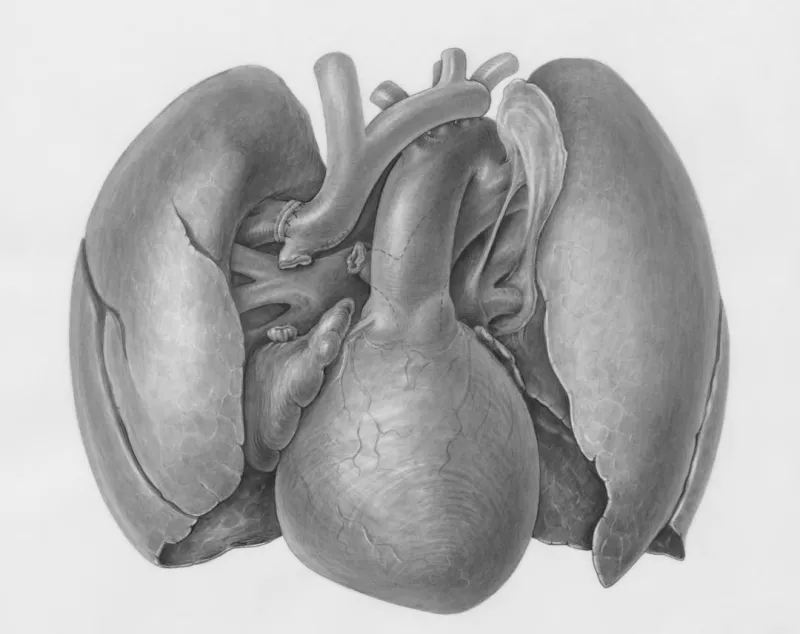
The Hidden Connection: Liver Health and Overall Wellbeing
The liver plays a vital role in maintaining overall health and wellbeing. Learn how liver health imp... Read More
Top Posts

Why Lifelong Curiosity Is the Secret Sauce for Senior Well‑Being
Becky Putman shares how embracing curiosity can transform seniors' mental, physical, and emotional health, offering practical steps, tech tools, and real-life s...Read More

How to Choose Health Insurance That Supports Your Holistic Lifestyle
A practical guide to selecting health insurance that aligns with a whole‑body wellness mindset, covering preventive services, alternative therapies, and futur...Read More

Cycle‑Centric Strategies for Optimizing Women’s Health
Learn to sync nutrition, exercise, sleep, and stress management with each phase of your menstrual cycle, creating a personalized health plan that enhances energ...Read More

Rethinking Menstrual Wellness Through Personal Data
A data‑driven guide shows women how to sync food, movement, and work habits with their hormonal cycle, turning monthly fluctuations into a strategic advantage...Read More
0 Comments
Post Comment
You will need to Login or Register to comment on this post!