
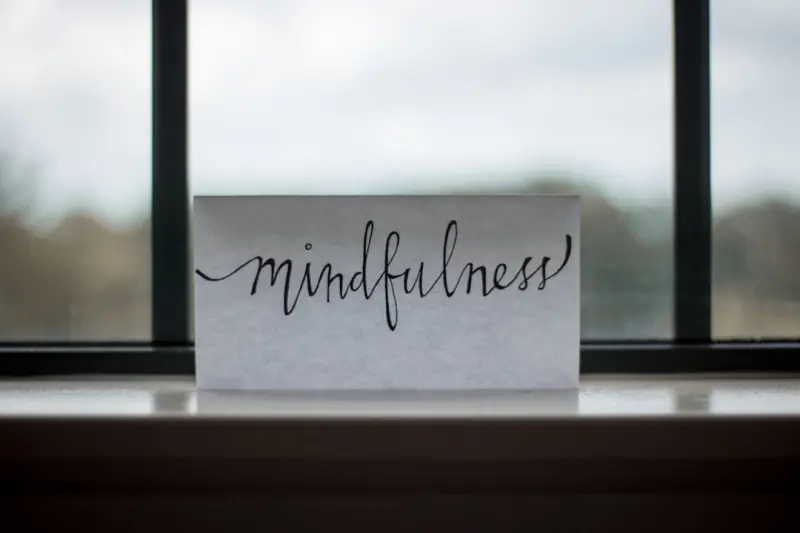
Listening to the Quiet Organ: A Mindful Journey into Liver Health
When I first started writing about wellness, the liver was the silent understudy—always there, always working, yet rarely the star of the conversation. Over the years, I’ve learned that the healthiest bodies aren’t built only on data points or strict diet plans; they’re cultivated through a gentle dialogue between mind, body, and the organ that quietly filters our lives. In this post, I’ll share the practices that helped me transform my relationship with my liver from “just an organ” to a trusted companion.
The Liver’s Unspoken Language
Most of us think of liver health in terms of labs and liver enzyme numbers. While those metrics are valuable, they’re only the tip of the iceberg. The liver speaks through subtle cues: a lingering heaviness after a rich meal, a sudden dip in energy after a night of indulgence, or that vague “full‑body” bloated feeling that seems to hover after stress. Learning to recognize these signals is the first step toward a compassionate, proactive liver care routine.
Key takeaway: Your liver shares its status through sensations, not just blood work. By tuning in, you can catch imbalances before they become clinical concerns.
Mindful Listening: Turning Awareness into Action
Mindfulness isn’t just for meditation; it’s a practical tool for organ health. I start each morning with a brief “body scan”—a 3‑minute pause where I focus on the right upper abdomen, breathing gently into the area. This isn’t about forcing breath, but about inviting awareness. Over time, I notice patterns: a tightness after a late‑night coffee, or a sigh of relief after a light, plant‑based breakfast.
These observations guide my daily choices. If a particular food consistently leaves my liver feeling “off,” I note it in a simple journal. The act of writing solidifies the connection between cause and effect, turning vague discomfort into actionable insight.
Daily Practices That Nurture the Liver
- Hydration Rituals: I sip warm water with a slice of lemon each morning. The mild acidity kick‑starts bile flow, supporting digestion and detox pathways.
- Gentle Movement: Not every workout needs to be a high‑intensity interval. A 10‑minute walk after dinner, especially on a grassy path, stimulates circulation to the liver without overwhelming it. For office workers, I’ve found that Micro‑Movements at the Desk—simple torso twists and seated leg lifts—keep blood moving, reducing the “stagnant” feeling that can burden the liver.
- Breathwork: Diaphragmatic breathing—inhale deeply through the nose, allowing the belly to rise, then exhale slowly—massages the liver gently. I practice this for 2 minutes before meals, which not only calms the nervous system but also promotes optimal bile secretion.
- Nightly Unplug: Blue light from screens can disrupt the liver’s nighttime regeneration cycle. I power down devices an hour before bed, swapping screen time for a short journal entry or a calming tea.
The Role of Nutrition Meets Mindful Timing
Nutrition is the backbone of liver health, yet the timing of meals can be just as crucial. In my research, I stumbled upon the concept of Chrono‑Nutrition, which aligns eating windows with our circadian rhythms. While the primary goal there is blood sugar stability, the secondary benefit is a more synchronized liver detox schedule.
Here’s how I apply it:
- Early Breakfast: My first meal arrives within an hour of waking, providing the liver with nutrients to kick‑start metabolism.
- Mid‑Day Power Lunch: A balanced plate of leafy greens, lean protein, and healthy fats fuels the liver’s enzymatic processes.
- Early Evening Light Dinner: I aim to finish eating at least three hours before bed, allowing the liver to transition into its nighttime repair mode without the burden of heavy digestion.
These simple timing tweaks feel less like restrictions and more like aligning with the body’s natural flow.
Nature’s Quiet Pharmacy: Harnessing the Outdoors
Spending time outdoors does more than boost mood; it directly supports liver function. The chlorophyll in green spaces can help cleanse the blood, and exposure to natural sunlight improves vitamin D levels, which are linked to reduced liver inflammation. I often combine a brief nature walk with my post‑dinner breathwork, turning the experience into a holistic liver‑care ritual.
For those who can’t venture far, even a balcony garden or a few potted herbs—like rosemary and mint—can create a micro‑ecosystem that encourages mindful breathing and gentle movement, echoing the principles of Nature‑Based Physiotherapy.
Dispelling Common Myths: Detox Isn’t a Sprint
There’s a flood of “detox” products promising rapid liver cleansing. The truth? The liver is already the body’s master detoxifier. Over‑loading it with aggressive cleanses can actually impede its natural processes. Instead of drastic juice fasts, I focus on steady, sustainable habits: balanced meals, adequate sleep, moderate exercise, and mindful stress reduction.
If you feel compelled to “reset,” consider a gentle approach: a 3‑day period where you avoid processed sugars, alcohol, and excessive caffeine, while emphasizing hydrating fluids, light broth soups, and easy‑to‑digest vegetables. This supports the liver without shocking it.
Stress, Sleep, and the Liver Connection
Stress hormones, especially cortisol, can overburden the liver’s ability to process toxins. I’ve incorporated a simple 5‑minute “stress dump” each night—writing down lingering worries before bed. This practice clears mental clutter, reduces cortisol spikes, and indirectly eases the liver’s workload.
Sleep is the liver’s prime repair window. Aim for 7‑9 hours of uninterrupted rest. If you struggle with sleep, consider a pre‑bedtime ritual: dim lights, a cup of warm herbal tea (dandelion root is a liver‑friendly favorite), and a brief meditation focusing on gratitude for the liver’s daily service.
Technology as a Gentle Companion, Not a Over‑Watcher
Wearables and health apps can provide useful data, but they can also become a source of anxiety when you’re constantly monitoring liver‑related metrics you can’t directly measure. I use technology sparingly—setting reminders for hydration, tracking sleep quality, and logging meals. The goal is to stay informed without turning health into a numbers game.
When I do look at data, I focus on trends over weeks rather than daily fluctuations. This long‑view perspective respects the liver’s slow, steady nature.
Building a Liver‑Friendly Lifestyle: A Checklist
- Start each day with a glass of warm lemon water.
- Incorporate micro‑movements throughout the workday to keep circulation lively.
- Practice diaphragmatic breathing before meals.
- Align meals with your body’s circadian rhythm (see Chrono‑Nutrition).
- Spend at least 20 minutes outdoors daily, even if it’s a balcony.
- Limit processed sugars, excessive alcohol, and high‑fructose foods.
- Adopt a nightly “stress dump” journal routine.
- Prioritize 7‑9 hours of sleep; create a calming pre‑bed ritual.
- Use technology as a supportive tool, not a surveillance system.
By integrating these practices, you’ll foster a respectful partnership with your liver, allowing it to operate at its natural, optimal rhythm.
Final Thoughts: A Lifelong Conversation
The journey to liver wellness isn’t a quick fix; it’s an ongoing conversation that evolves with your life’s seasons. Each mindful breath, each intentional movement, and each nourishing bite adds a line to that dialogue. When you treat your liver not as a problem to solve but as a trusted ally, the benefits ripple outward—enhanced energy, clearer skin, steadier moods, and a deeper sense of overall vitality.
So, the next time you feel that subtle heaviness after a late night, pause, breathe into it, and ask, “What does my liver need right now?” The answer will guide you toward the next small, compassionate step on your path to lasting liver health.

Related Posts
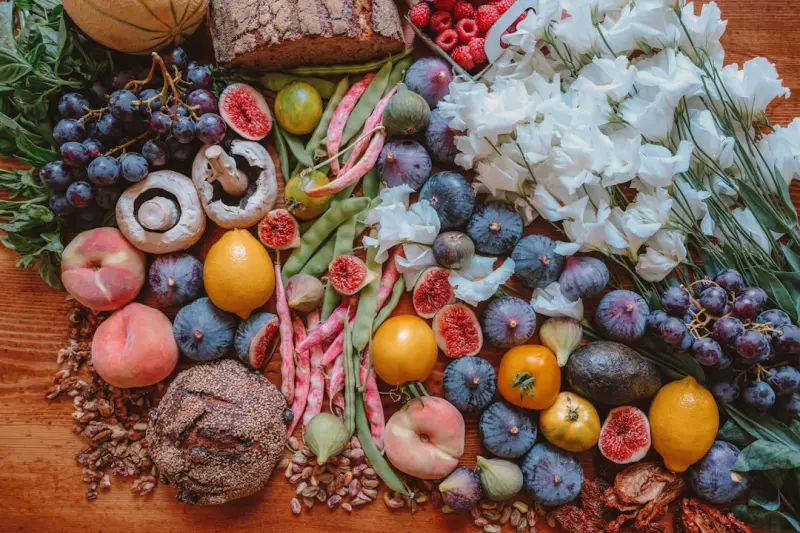
Seasonal Eating: A Fresh Blueprint for Vibrant Liver Health
Learn a simple, season‑aligned approach to liver wellness that combines micro‑habits, mindful co... Read More
Rev Up Your Liver: A Holistic Playbook for Sustainable Detox and Metabolic Power
A detailed guide reveals how to treat your liver like a high‑performance engine—using strategic ... Read More

The Liver’s Secret Ally: How Seasonal Foods Boost Detox and Vitality
Seasonal eating isn’t a trend—it’s a strategic way to nourish your liver. Learn why spring gre... Read More
Top Posts

Curiosity Unlocked: How Lifelong Learning Boosts Senior Health and Vitality
Becky Putman shares her personal journey of embracing curiosity in later life, showing how daily learning, tech tools, and intergenerational connections can imp...Read More
Micro‑Creative Rituals: Tiny Daily Practices That Supercharge Your Brain
Micro‑creative rituals—simple, daily acts like doodling or humming—activate the brain’s reward system and strengthen neural pathways, offering a practic...Read More

Unlocking Cognitive Reserve: The Midlife Skill‑Learning Blueprint
Learning a new language, instrument, or hobby in midlife isn’t just fun—it creates a powerful cognitive reserve that protects against age‑related decline....Read More

Curiosity as a Longevity Engine: How Lifelong Learning Rewrites Your Biological Clock
Exploring the hidden link between curiosity, brain health, and aging, this article shows how lifelong learning can reduce stress, enhance cellular resilience, a...Read More
0 Comments
Post Comment
You will need to Login or Register to comment on this post!