

Why Curiosity Is the Secret Ingredient for Senior Well‑Being
When I first sat down at my kitchen table at seventy‑two, a simple question sparked a cascade of change: What would happen if I treated my brain like a garden? I’d spent decades caring for families, managing projects, and ticking off to‑do lists. Yet, the notion of “learning something new” felt both thrilling and intimidating. In the weeks that followed, I discovered that curiosity isn’t just a whimsical pastime—it’s a powerful catalyst for physical health, mental sharpness, and emotional resilience in later life.
The Science of a Curious Mind
Neuroscientists now agree that the adult brain remains plastic, meaning it can form new connections well into our golden years. When we challenge ourselves—whether by picking up a new instrument, diving into a language app, or even exploring a different cuisine—we stimulate the hippocampus, the region responsible for memory formation. This stimulation releases brain‑derived neurotrophic factor (BDNF), a protein that nurtures neurons and supports overall cognitive health.
What’s fascinating is that BDNF doesn’t just protect against memory loss; it also influences cardiovascular health and metabolic regulation. Studies have linked regular mental challenges with lower blood pressure, improved insulin sensitivity, and reduced inflammation. In short, a curious mind can become a healthier body.
Turning Curiosity Into Daily Action
My own journey began with a modest commitment: 15 minutes of deliberate learning each day. Here’s how you can replicate the habit, no matter your current routine.
- Pick a theme that excites you. It could be anything from botanical illustration to digital photography. The key is genuine interest, not perceived usefulness.
- Leverage bite‑size resources. Podcasts, short video tutorials, and mobile apps let you learn in increments that fit around meals, medications, or doctor’s appointments.
- Document the process. Keep a simple journal—digital or paper—where you note what you tried, what sparked joy, and any “aha!” moments.
- Share and connect. Teaching a neighbor, joining an online forum, or participating in a community class reinforces learning and adds a social dimension.
Technology as a Curiosity Partner
While the notion of “tech for seniors” often conjures images of complex health dashboards, the reality can be delightfully simple. real‑time health tracking tools, for instance, can turn a daily walk into a data‑driven adventure. By watching heart‑rate zones or step counts in real time, you gain immediate feedback that fuels curiosity: “Why did my heart rate spike today? What can I learn from that?”
Similarly, meal‑timing science offers a playful experiment. Adjusting when you eat, and observing how energy levels shift, becomes a personal research project. The results can be surprising—some seniors find that a modest shift to earlier lunches stabilizes afternoon fatigue, while others discover that a light, protein‑rich snack before a late‑day walk enhances stamina.
Physical Movement Meets Mental Exploration
Curiosity isn’t limited to the cerebral realm; it thrives in the body, too. I recently joined a local walking group that uses outdoor movement therapy principles. Instead of a generic stroll, our leader maps routes based on “sensory checkpoints”—a fragrant garden, a historic plaque, a seasonal bird habitat. Each checkpoint invites participants to observe, question, and even sketch what they notice.
This approach marries gentle aerobic exercise with mindful observation, creating a feedback loop where the body’s movement fuels curiosity, and curiosity, in turn, motivates continued movement. Over weeks, I noticed improvements in balance, a steadier gait, and a renewed zest for exploring my own neighborhood.
Social Curiosity: Building Intergenerational Bridges
One of the most rewarding aspects of my curiosity journey has been the unexpected friendships formed across generations. I paired with a tech‑savvy grandchild to learn basic coding through a visual programming app. Their patience and my life experience made for a dynamic exchange: I offered historical context, they offered troubleshooting tips.
These intergenerational collaborations do more than teach a new skill; they combat the isolation that can accompany aging. Shared learning creates a sense of purpose, belonging, and mutual respect—ingredients that research shows are vital for emotional health and even longevity.
Overcoming Common Barriers
It’s natural to feel hesitant. Here are three hurdles I encountered, and how I moved past them.
- Fear of “being too old.” I reminded myself that every new neuron formed is a triumph, regardless of age. Celebrate small wins—like mastering a chord on a ukulele—as evidence that growth is still possible.
- Physical limitations. If mobility is an issue, consider seated activities: language apps, knitting patterns, or digital puzzles. Even finger‑dexterity exercises, like playing a simple handheld keyboard, keep neural pathways active.
- Information overload. Curate your sources. Stick to a handful of reputable platforms and set a timer to prevent burnout. Curiosity thrives on focus, not endless scrolling.
Practical Tools to Kick‑Start Your Curious Lifestyle
Below are a few resources I’ve found invaluable, each chosen for simplicity and senior‑friendly design.
- Audio Learning Platforms – Services like Audible or public‑library podcasts let you learn while cooking or resting.
- Skill‑Sharing Apps – Skillshare offers short video classes on everything from watercolor to basic coding, with adjustable playback speed.
- Community Centers – Many local libraries now host “Tech Tuesdays” or “Art After 60,” providing low‑pressure environments to explore new hobbies.
- Wearable Trackers – Devices that monitor heart rate, steps, and even sleep patterns can become your personal curiosity dashboard, highlighting trends that inspire deeper questions.
Measuring Success Beyond the Scale
Traditional health metrics—weight, blood pressure, cholesterol—are still important, but curiosity offers a richer set of indicators.
- Neural Engagement – Notice improvements in memory recall, faster problem‑solving, or a heightened ability to follow complex conversations.
- Emotional Resilience – Track mood fluctuations. A curious mindset often correlates with reduced feelings of anxiety and depression.
- Social Connectivity – Count new friendships, group activities, or mentorship relationships formed through learning pursuits.
- Physical Vitality – Observe stamina during walks, flexibility in movement, and overall energy levels throughout the day.
From Curiosity to a Lifelong Habit
My final piece of advice: treat curiosity as a habit, not a one‑off event. Just as you’d schedule a medication, schedule your “learning slot.” Set a reminder, keep the materials visible, and protect that time fiercely. Over months, you’ll find that the habit becomes a natural part of your daily rhythm, enriching every facet of senior health.
Remember, the goal isn’t to become an expert in every field—just to stay engaged, question, and explore. In doing so, you’ll unlock a reservoir of vitality that transcends age, proving that the brain, like a well‑tended garden, blooms most beautifully when it’s continuously nurtured.

Becky Putman is an Ottawa-based freelance writer and marketing professional with a passion for storytelling, animals, and community involvement. She enjoys creating engaging content that informs, inspires, and connects with readers.
Related Posts

Crafting Longevity: How Hands‑On Hobbies Reinvent Senior Health
Hands‑on hobbies provide seniors with a low‑impact, brain‑stimulating, socially engaging way t... Read More

The Unexpected Wellness Power of Digital Storytelling for Seniors
Digital storytelling blends memory recall, gentle motor activity, and social interaction, offering s... Read More
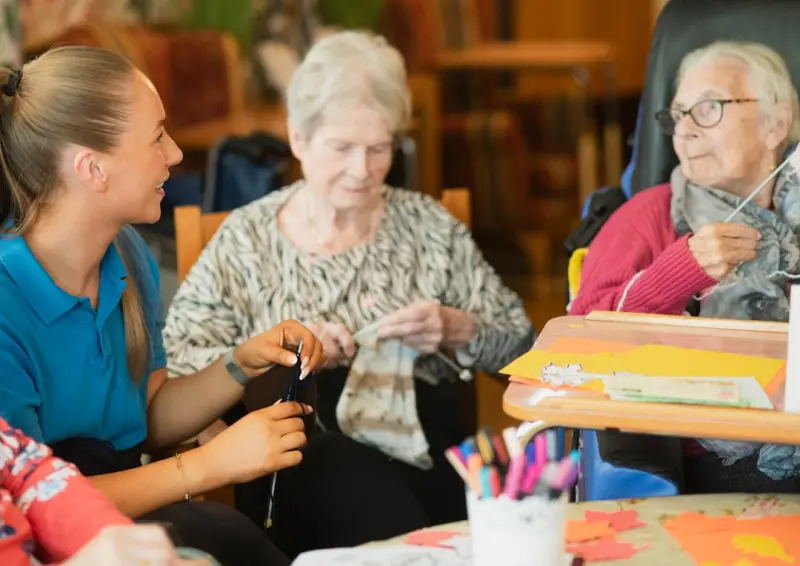
Revitalizing Senior Minds: Hobbies, Community, and Nutrition for Cognitive Health
Explore fresh strategies for senior cognitive health—creative hobbies, community “prescriptions,... Read More
Top Posts
Beyond the Mirror: Rewriting the Narrative of Eating Disorders
Explore a fresh, holistic perspective on eating disorders that blends science, community support, and practical recovery steps, moving beyond stigma toward last...Read More
Redefining Strength: A Holistic Playbook for Modern Men’s Health
A comprehensive guide that moves beyond traditional gym metrics, integrating rhythm, curiosity, community, and personalized data to redefine strength for todayâ...Read More
Unlocking the Night: Turning Insomnia Into a Personal Insight Engine
Insomnia isn’t just a problem to fix; it’s a signal about your mind, body, and surroundings. Discover a three‑layered approach that transforms restless ni...Read More

Breathing New Life into Sleep Apnea Management
Explore a fresh, breath‑focused approach to sleep apnea that blends simple techniques, lifestyle tweaks, and modern tracking to boost nightly recovery and ove...Read More
0 Comments
Post Comment
You will need to Login or Register to comment on this post!