
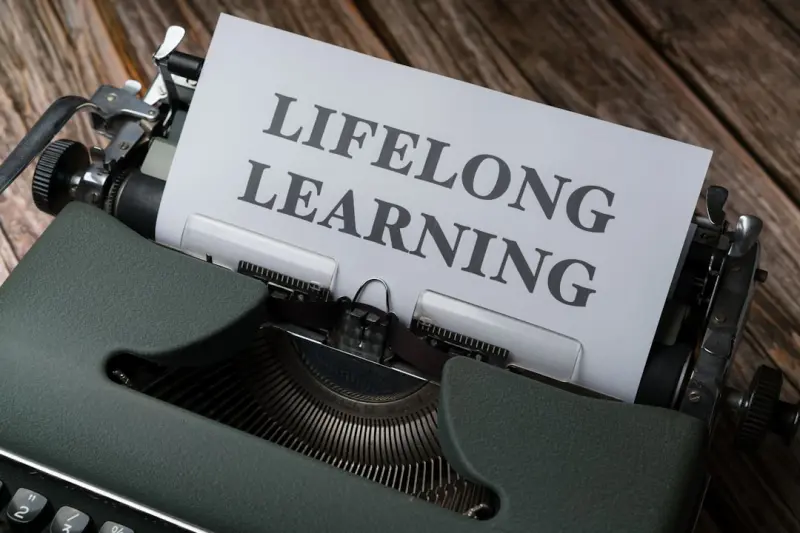
Why Curiosity Beats Routine When It Comes to Longevity
When I first stepped into a community‑center workshop on vintage typewriters, I expected a nostalgic detour. Instead, I walked away with a buzzing mind, a light‑hearted grin, and an unexpected realization: the act of learning something new can feel like a tonic for the whole body. It’s not just a mental perk; emerging research suggests that intellectual stimulation rewires neural pathways, modulates stress hormones, and even influences the epigenetic markers that dictate how we age.
In a world that constantly sells the promise of quick fixes—be it a detox powder, a night‑time ritual, or a one‑size‑fits‑all supplement—curiosity stands out as a free, self‑directed practice that we can weave into any schedule. This article dives deep into the science of lifelong learning, explores practical ways to keep the brain hungry, and shows how curiosity can become a hidden lever for a longer, more vibrant life.
The Science Behind a Curious Brain and a Younger Body
Neuroscientists have long known that the brain is plastic: it reorganizes itself in response to new challenges. When you acquire a new skill—whether it’s a language, a musical instrument, or even a cooking technique—the hippocampus lights up, forging fresh synaptic connections. This process releases brain‑derived neurotrophic factor (BDNF), a protein that protects neurons from age‑related decline.
But the benefits don’t stop at the skull. A robust BDNF response lowers systemic inflammation, a key driver of chronic diseases. Studies on rodents have demonstrated that enriched environments—filled with puzzles, new objects, and social interaction—extend telomere length, the protective caps at the ends of chromosomes that naturally shorten with age. Human data is catching up, with longitudinal surveys linking regular engagement in cognitively demanding hobbies to lower mortality rates.
Curiosity vs. Passive Consumption: The Age of Active Learning
It’s easy to mistake scrolling through endless articles for learning. Passive consumption provides information, but it rarely triggers the deep neural engagement needed for lasting change. Active learning—asking questions, experimenting, and reflecting—creates a feedback loop that fuels neurogenesis.
For example, instead of watching a cooking video, try recreating the recipe from memory. Jot down what worked, what didn’t, and how flavors can be balanced. That simple shift from observer to creator transforms a passive pastime into a brain‑boosting workout.
How Curiosity Impacts the Body’s Stress Response
Stress is a silent saboteur of longevity. Chronic cortisol elevation can erode heart health, impair immune function, and accelerate cellular aging. Curiosity, paradoxically, acts as a natural stress buffer.
When you engage with a challenging yet enjoyable activity, the brain releases dopamine and endorphins, which counteract cortisol spikes. Moreover, the sense of mastery that follows a learning milestone boosts self‑efficacy, a psychological factor shown to reduce perceived stress. In essence, curiosity rewires the stress response from “fight‑or‑flight” to “explore‑and‑grow.”
Practical Strategies to Make Curiosity a Daily Habit
Here are some low‑cost, high‑impact ways to embed learning into your routine:
- Micro‑Learning Bursts: Dedicate five minutes a day to a micro‑lesson—read a paragraph of a scientific paper, watch a short tutorial, or practice a new chord on a piano.
- Cross‑Disciplinary Exploration: Pair unrelated fields—like finance and watercolor painting—to force your brain to draw novel connections.
- Teach What You Learn: Explaining a concept to a friend solidifies your understanding and reveals gaps you might have missed.
- Curiosity Journaling: Keep a notebook of questions that pop up during the day. Schedule weekly sessions to research answers, turning idle wonder into structured inquiry.
- Community Challenges: Join or start a local club that meets weekly to tackle a new skill—be it woodworking, coding, or salsa dancing.
These tactics align with the principle that consistency beats intensity. Small, repeated acts of learning compound over months and years, much like the way micro‑habits improve glucose management (see Micro‑Momentum).
The Hidden Link Between Smiling, Learning, and Longevity
While it may sound whimsical, there’s a physiological bridge connecting a genuine smile, brain activity, and age‑defying health. Smiling triggers the release of serotonin and endorphins, which not only lift mood but also enhance cognitive flexibility—a trait crucial for tackling new information.
Research highlighted in Why Your Smile Is the Gateway to Whole‑Body Health shows that individuals who smile more often exhibit lower markers of inflammation and enjoy better cardiovascular outcomes. When you pair a smile with a learning moment—like mastering a tricky yoga pose or cracking a coding puzzle—you amplify these benefits, creating a virtuous cycle of joy, brain health, and longevity.
Detoxifying the Mind: Why Reducing Cognitive Clutter Matters
Just as the body benefits from eliminating toxins, the mind thrives when it’s free from digital overload. The concept of an Invisible Detox isn’t limited to chemicals; it extends to information fatigue. Constant notifications fragment attention, impair memory consolidation, and blunt the brain’s reward pathways.
Implement a “mental fast” once a week: turn off non‑essential devices for a few hours, focus on a tactile hobby, and let curiosity guide you without the pressure of likes or shares. You’ll notice sharper focus, deeper absorption of new material, and a calmer nervous system—all ingredients for a longer, healthier life.
Measuring the Impact: Simple Metrics to Track Your Curiosity Journey
Quantifying learning isn’t about grades; it’s about observing shifts in well‑being. Consider tracking:
- Brain Fog Frequency: Note days when you feel mentally foggy versus clear.
- Stress Levels: Use a simple 1‑10 scale before and after a learning session.
- Physical Energy: Log energy ratings; curiosity often translates into higher vigor.
- Social Interaction: Count new conversations sparked by your latest interest.
Over weeks, you’ll likely see trends: reduced stress scores, fewer foggy days, and an overall lift in vitality—signs that your longevity engine is humming.
Integrating Curiosity Into Corporate Culture
Longevity isn’t just a personal quest; it’s a collective asset. Companies that foster a culture of continuous learning report lower burnout rates and higher employee retention. Simple initiatives—like “Idea Hours” where staff explore topics unrelated to their primary role—can spark cross‑departmental innovation and reinforce the brain’s plasticity.
When leaders model curiosity—asking “what if?” in meetings, attending workshops outside their expertise—they signal that growth is valued over static performance. This mindset shift not only fuels business agility but also extends the health span of the workforce.
Conclusion: Make Curiosity Your Longevity Super‑Power
If you’ve been chasing the next supplement, gadget, or diet trend, consider redirecting that energy toward a more sustainable practice: lifelong learning. Curiosity feeds the brain, calms the stress response, enhances social bonds, and subtly reshapes the biology of aging. The best part? It costs nothing but your willingness to be a beginner again.
So the next time you feel the urge to scroll mindlessly, ask yourself: what can I explore today that will make me smile, challenge me, and leave my cells buzzing with gratitude? The answer, more often than not, is the very thing that will keep you thriving for years to come.

Related Posts

Heat, Cold, and the Longevity Switch: How Hormetic Temperature Stress Extends Life
A deep dive into how moderate, intentional exposure to cold and heat triggers hormetic pathways—li... Read More
The Hidden Levers of Longevity: A Holistic Playbook for Everyday Vitality
Explore a fresh, science‑backed longevity playbook that blends relationships, daily rhythms, curio... Read More

The Holistic Path to Vibrant Longevity: A Personal Journey
Explore a personal, holistic approach to longevity that blends mindset, nutrition, movement, and com... Read More
Top Posts
How Movement Supercharges Creative Thinking at Work
Explore the science behind motion‑driven brainstorming, learn practical movement routines for individuals and teams, and see real‑world results that turn wa...Read More

Tiny Trips, Big Benefits: A Senior’s Guide to Micro‑Adventures
Micro‑adventures—short, low‑barrier outings close to home—offer seniors a powerful blend of mental stimulation, gentle physical activity, and emotional ...Read More
When Daylight Becomes a Trigger: Living and Thriving with Narcolepsy
A deep dive into the biology, lifestyle hacks, technology, and community support that empower people with narcolepsy to design resilient, productive lives....Read More

Flavor Exploration: How Culinary Curiosity Fuels Sustainable Weight Loss
Unlock the secret to sustainable weight loss by turning your kitchen into a flavor lab—learn how spice, culture, and mindful tasting boost metabolism and curb...Read More
0 Comments
Post Comment
You will need to Login or Register to comment on this post!