
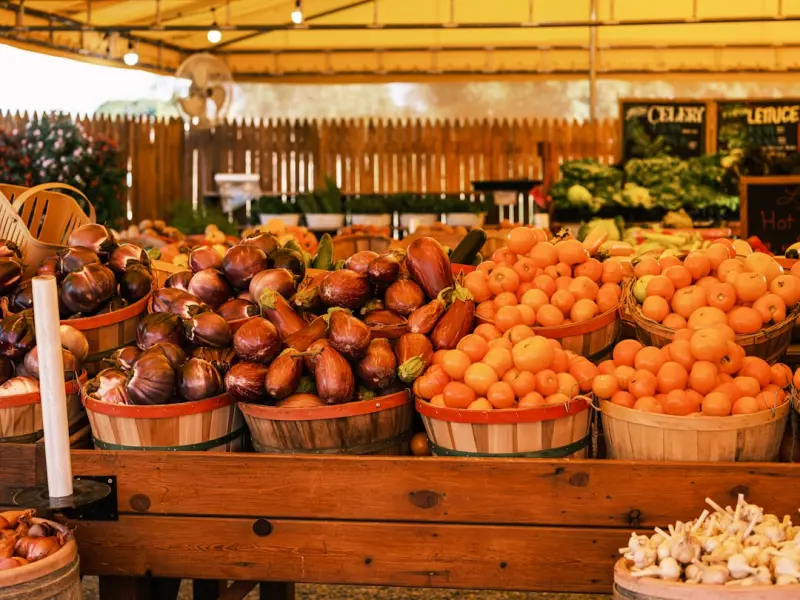
Why Seasonal Eating Is the Liver’s Best Friend
When I first started mapping my own health routine, I treated the liver like a silent factory—something that just kept running in the background. Over time, I realized that the liver is far more sociable than I gave it credit for. It talks to every system in the body, from the gut to the brain, and it listens closely to what we put on our plates. One of the most respectful ways we can converse with this organ is by honoring the seasons. Eating foods that are in sync with nature’s calendar isn’t just a culinary fad; it’s a strategic move that supports the liver’s detox pathways, optimizes bile production, and stabilizes blood sugar—three pillars that keep us feeling sharp, energized, and resilient.
The Science Behind Seasonal Synergy
At its core, the liver’s job is to filter toxins, metabolize nutrients, and produce essential proteins. These processes are regulated by enzymes that respond to the nutrients we supply. Seasonal produce is packed with phytochemicals that have evolved to protect plants during specific climatic stresses—think antioxidant‑rich berries in summer or sulfur‑laden crucifers in winter. When we consume these compounds at the height of their potency, our liver’s enzyme systems receive the exact signals they need to operate efficiently.
For example, summer tomatoes are loaded with lycopene, a powerful antioxidant that helps the liver neutralize free radicals generated during intense metabolic activity. In contrast, winter kale delivers glucosinolates, which the liver converts into compounds that promote phase‑II detoxification—a crucial step for eliminating carcinogens. By aligning our plates with the seasons, we essentially provide the liver with a curated toolkit that matches the challenges each time of year presents.
Seasonal Food Groups That Supercharge Liver Function
- Spring Greens (e.g., asparagus, ramps, young spinach) – Rich in chlorophyll and fiber, these vegetables support bile flow and help move waste through the digestive tract.
- Summer Fruits (e.g., berries, stone fruits, watermelon) – High in vitamin C and polyphenols, they protect liver cells from oxidative stress.
- Autumn Roots (e.g., carrots, beets, sweet potatoes) – Packed with beta‑carotene and nitrates, they enhance the liver’s ability to process fats and support the production of essential lipids.
- Winter Crucifers (e.g., kale, Brussels sprouts, cabbage) – Sulfur compounds in these foods trigger detox enzymes that clear out environmental pollutants.
When you rotate these groups throughout the year, you create a dynamic nutritional environment that keeps the liver’s pathways from becoming complacent. Think of it as a cross‑training program for an organ that rarely gets a day off.
Integrating Seasonal Choices Into a Busy Professional Life
Many of us juggle meetings, deadlines, and constant digital notifications. The idea of re‑thinking our grocery list can feel like another task on a never‑ending to‑do list. Here’s a pragmatic framework that has worked for me:
- Quarterly Meal Mapping – At the start of each season, spend 30 minutes scanning a local farmer’s market calendar or a grocery app for peak produce. Sketch a simple menu for the week that highlights at least three seasonal items per day.
- Batch Prep, Not Batch Cook – Instead of cooking every meal from scratch, prepare versatile base ingredients—roasted root vegetables, lightly sautéed greens, or a cold quinoa salad—that can be mixed and matched.
- Micro‑Movement Benefits – Pair your kitchen prep with short bouts of movement. A quick stretch while waiting for a pot to simmer or a five‑minute walk to the pantry can improve circulation, which in turn supports liver perfusion. For more ideas on integrating movement into routine tasks, see Micro‑movement benefits.
- Mindful Hydration – Seasonal fruits double as natural flavor enhancers for water. Adding cucumber slices in summer or orange wedges in winter encourages consistent hydration, a key factor for liver detox.
Gut‑Liver Axis: The Hidden Conversation
If you’ve followed the Gut health connection series, you know that the microbiome and liver are in constant dialogue. Seasonal fibers act as pre‑biotics, feeding beneficial bacteria that produce short‑chain fatty acids (SCFAs). These SCFAs travel to the liver and signal it to regulate inflammation and glucose metabolism. In essence, the right seasonal foods create a harmonious gut‑liver partnership that can reduce the risk of fatty liver disease and improve overall metabolic health.
Detox Isn’t About “Cleaning”—It’s About Support
There’s a pervasive myth that the liver needs periodic “detox” cleanses involving juice fasts or extreme calorie restriction. In reality, the liver’s detox pathways are always active; they just need the right substrates to function optimally. Seasonal eating provides those substrates naturally, without the need for restrictive regimens. By consistently offering a variety of phytonutrients, you prevent the liver from being overloaded with any single type of toxin—a common scenario when diets are overly repetitive.
Practical Recipes to Kick‑Start Your Seasonal Cycle
Below are three quick, nutrient‑dense recipes that showcase the power of seasonal ingredients. Each one is designed for a busy professional who needs a meal that’s both satisfying and liver‑friendly.
Spring Sunrise Smoothie
- 1 cup young spinach
- ½ cup frozen mango
- 1 tablespoon fresh lemon juice
- 1 tablespoon chia seeds
- Almond milk to blend
Blend until silky. The spinach supplies chlorophyll, mango offers antioxidants, and chia seeds deliver omega‑3 fatty acids that reduce liver inflammation.
Summer Grilled Tomato & Basil Quinoa Bowl
- 1 cup cooked quinoa
- 1 cup grilled heirloom tomatoes
- ¼ cup fresh basil leaves
- 2 tbsp extra‑virgin olive oil
- Pinch of sea salt & black pepper
Drizzle olive oil and toss. Tomatoes deliver lycopene, while basil adds a dose of essential oils that stimulate bile flow.
Winter Crucifer Stir‑Fry
- 1 cup chopped kale
- ½ cup sliced Brussels sprouts
- 1 garlic clove, minced
- 1 tsp grated ginger
- 1 tbsp tamari sauce
- Sesame oil for cooking
Sauté garlic and ginger in sesame oil, add veggies, finish with tamari. The sulfur compounds in kale and Brussels sprouts activate phase‑II detox enzymes, while ginger supports digestion.
Tracking Your Liver’s Response
Just as athletes log their training metrics, you can monitor how your liver responds to seasonal changes. Simple indicators include:
- Energy Levels – Notice any steadier afternoon focus or fewer “crash” moments.
- Digestive Comfort – Reduced bloating and more regular bowel movements often signal a balanced gut‑liver axis.
- Skin Clarity – The liver plays a role in clearing out waste that can manifest as skin issues.
- Lab Markers – If you have regular blood work, pay attention to ALT, AST, and GGT levels; improvements can be a direct reflection of dietary adjustments.
Keep a brief journal for a month each season. Note any trends. Over time, you’ll see a pattern that confirms the liver is thriving on your seasonal menu.
Addressing Common Barriers
Even the most motivated readers encounter obstacles. Here’s how to navigate them:
| Barrier | Solution |
|---|---|
| Limited Access to Fresh Produce | Explore frozen options—many retain peak nutrient content if flash‑frozen at harvest. Pair them with a fresh herb or a squeeze of citrus for added vibrancy. |
| Time Constraints | Batch‑cook core grains (quinoa, brown rice) and freeze in portioned bags. When you need a meal, simply reheat and add fresh seasonal toppings. |
| Cost Concerns | Buy in bulk during peak season, then preserve (e.g., freeze, pickle) for off‑season use. Community Supported Agriculture (CSA) shares often provide a cost‑effective source of seasonal bounty. |
| Flavor Fatigue | Rotate herbs and spices seasonally—dill in spring, basil in summer, sage in autumn, and rosemary in winter—to keep dishes exciting without extra calories. |
Closing Thoughts: A Partnership Worth Nurturing
Our modern lifestyles often push us toward convenience at the expense of biological rhythm. By re‑introducing seasonality into our meals, we give the liver a diverse, high‑quality diet that mirrors the ebb and flow of nature. This partnership doesn’t just protect against disease; it fuels mental clarity, sustains physical stamina, and enhances overall well‑being. The next time you walk past a farmer’s stand or peruse a grocery flyer, ask yourself: “What is this season trying to give my liver?” The answer could be the key to unlocking a more vibrant, resilient you.

Deb Roberts is a freelancer who writes on various subjects, bringing versatility and depth to her work. Alongside her broad writing expertise, she has a special passion for horses.
Related Posts

Why a Healthy Liver Is the Secret Weapon for Mental Sharpness
Explore the powerful liver‑brain connection, learn why liver health matters for mental clarity, an... Read More

Unlocking Hidden Liver Power: Everyday Practices for a Resilient Organ
Explore a fresh, personal approach to liver health using herbs, breathwork, fermentation, fasting, a... Read More

A Fresh Perspective on Nurturing Liver Health Every Day
Learn how to treat your liver as a daily ally with simple nutrition tweaks, circadian alignment, and... Read More
Top Posts
When Your Immune System Turns Rebel: A Personal Blueprint for Autoimmune Mastery
A candid, step‑by‑step guide reveals how to decode hidden triggers, track symptoms, and build a multidisciplinary support network to reclaim control over au...Read More

The Silent Alarm: Unpacking Adult Sleep Terrors and How to Quiet Them
Sleep terrors aren’t just frightening dreams—they’re abrupt, physiological spikes that can disrupt both night and day. This post uncovers the hidden trigg...Read More
Living with Autoimmune Disease: My Holistic Roadmap to Resilience
A heartfelt guide sharing how mindful nutrition, gentle movement, restorative sleep, and supportive community can transform life with autoimmune disease....Read More

Digital Overload: Reclaiming Mental Space in a Hyper‑Connected World
Explore how constant connectivity strains the brain and discover actionable tips—from notification control to digital fasts—to reclaim mental space, boost f...Read More
0 Comments
Post Comment
You will need to Login or Register to comment on this post!