
Chrono‑Nutrition: Timing Your Meals to Tame Blood Sugar Swings
When I first heard the term “chrono‑nutrition,” I imagined a fancy sci‑fi diet where you eat at sunrise, lunch at noon, and dinner at sunset—like a ritual for monks. Turns out, it’s far more pragmatic and far less mystical: it’s about syncing the when of your meals with the natural rhythms of your body to keep glucose levels steady, energy high, and cravings at bay.
Most blood‑sugar strategies focus on what you eat—low‑glycemic carbs, fiber, protein, and the usual suspects. That’s essential, but it’s only half the story. Your pancreas, liver, and even gut microbes follow a circadian clock that determines how efficiently they process sugars. Miss that beat, and you’re left with spikes, crashes, and a constant feeling of “I need a snack now.”
Why Timing Matters More Than You Think
Research shows that insulin sensitivity peaks in the morning and gradually declines toward the evening. In other words, your body is naturally better at handling carbs after you wake up. This isn’t just academic—it’s a lever you can pull to smooth out the roller‑coaster of glucose throughout the day.
- Morning advantage: A breakfast rich in complex carbs and protein can be metabolized efficiently, reducing the post‑meal glucose surge.
- Mid‑day dip: Around 2 p.m., insulin sensitivity begins to wane. This is the perfect window for a lighter meal, focusing on healthy fats and veggies.
- Evening caution: After 7 p.m., the body’s ability to process sugars drops dramatically, making heavy carb meals a recipe for overnight spikes.
These patterns are not set in stone; they vary with your work schedule, sleep habits, and even your genetic makeup. The key is to observe, experiment, and adjust—much like a data‑driven athlete fine‑tuning a training plan.
Mapping Your Personal Glucose Rhythm
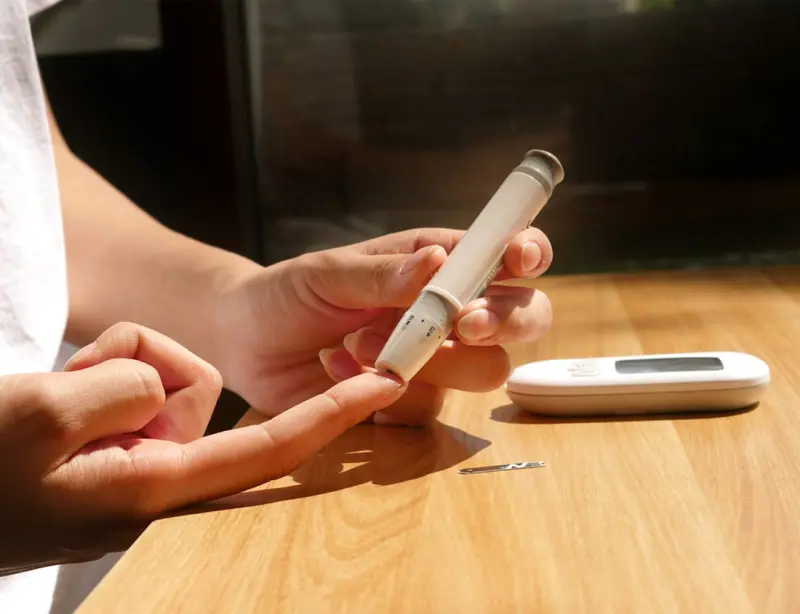
Before you can rewrite your meal schedule, you need a baseline. Here’s a quick self‑audit you can run with a simple glucose monitor or a continuous glucose monitor (CGM) if you have one:
- Track for a week. Log glucose readings before and after each meal, noting the time, food composition, and any physical activity.
- Identify peaks. Look for consistent spikes—are they happening after lunch? Dinner? Late‑night snacks?
- Spot the lows. Notice any post‑meal crashes that leave you feeling foggy or irritable.
- Overlay sleep data. Poor sleep can blunt insulin sensitivity, amplifying the effect of a poorly timed carb load.
Once you have this data, you can begin to sculpt a meal schedule that aligns with your natural glucose ebb and flow.
Practical Steps to Implement Chrono‑Nutrition
Below is a framework you can adapt, regardless of whether you’re a desk‑bound coder, a field‑work engineer, or a night‑shift nurse. The principle stays the same: biggest carb load in the morning, lightest at night.
1. Power‑Breakfast (7 am – 9 am)
Kick off the day with a balanced mix of complex carbs, protein, and a dash of healthy fat. Think steel‑cut oats topped with nuts, berries, and a scoop of Greek yogurt, or a veggie‑laden omelet with a slice of whole‑grain toast. This timing leverages the morning insulin peak, turning carbs into steady energy rather than a spike‑and‑crash.
2. Mid‑Morning Fuel (10 am – 11 am)
If you’re hungry before lunch, reach for a snack that’s high in protein and fiber but low in carbs: a handful of almonds, a hard‑boiled egg, or a small serving of cottage cheese with cucumber slices. This helps maintain satiety without overwhelming your glucose‑handling capacity.
3. Light Lunch (12 pm – 1 pm)
Now that insulin sensitivity is beginning its descent, keep the carb load modest. Aim for a salad loaded with leafy greens, colorful veggies, a lean protein (chicken, tofu, or fish), and a drizzle of olive oil. If you need a carb boost, opt for a small portion of quinoa or sweet potato—just enough to satisfy without triggering a big spike.
4. Afternoon Bridge (3 pm – 4 pm)
Energy slumps are common in the mid‑afternoon. A snack combining protein and a touch of healthy fat—like avocado toast on rye or a protein bar with minimal sugar—will keep blood sugar stable until dinner.
5. Early, Balanced Dinner (6 pm – 7 pm)
Make dinner the smallest carb meal of the day. Focus on non‑starchy vegetables, a quality protein source, and a modest amount of healthy fat. For example, grilled salmon with roasted Brussels sprouts and a side of cauliflower rice. If you crave carbs, stick to a quarter cup of brown rice or a few slices of whole‑grain bread.
6. Night‑Time Strategy (after 8 pm)
Avoid sugary desserts or heavy carbs after dark. If you need something sweet, choose a piece of dark chocolate (70%+ cocoa) or a few berries. Pair it with a source of protein (a spoonful of nut butter) to blunt the glucose impact.
Integrating Technology Without Getting Lost in the Data
Chrono‑nutrition can feel like a lot of moving parts, but the right tools can turn it into a manageable feedback loop. If you already love the Gamify Your Blood Sugar approach, you’re halfway there. Use a simple spreadsheet or an app that highlights the times when your glucose spikes, then set reminders to shift carbs earlier.
For those who thrive on community, the Turning Pre‑Diabetes Into a Community Power‑Play article showcases how groups can share meal‑timing strategies, hold each other accountable, and celebrate “steady‑glucose” wins together. A buddy system can make the transition smoother, especially if you’re changing long‑standing habits.
Addressing Common Concerns
- “I work night shifts—my day is my night.” Chrono‑nutrition is flexible. Align your “peak insulin” window with your personal sleep‑wake cycle. If you sleep from 8 am to 4 pm, schedule your biggest carb meal right after you wake up (around 4 pm).
- “I’m always on the go; I can’t eat at set times.” Prep meals in advance. Portable options like protein‑rich wraps or pre‑portion‑ed nuts can keep you on track when you’re hopping between meetings.
- “Will I feel hungry if I cut carbs at night?” Often the craving is psychological. A small portion of fruit or a few nuts can satisfy the desire without spiking glucose.
Fine‑Tuning: The Role of Exercise and Light Exposure
Exercise is a natural insulin sensitizer. A brisk 20‑minute walk after lunch can boost your body’s ability to handle the carbs you just ate. Likewise, exposure to natural light in the morning helps set your circadian clock, reinforcing the insulin‑sensitivity peak.
Combine these habits with your chrono‑nutrition plan, and you’ll notice a synergistic effect: smoother glucose curves, more consistent energy, and a reduced need for “quick fix” snacks.
Measuring Success Beyond the Scale
Weight loss is a common metric, but in the context of blood‑sugar management, look for these wins:
- Fewer post‑meal spikes (less than 140 mg/dL 30 minutes after eating).
- Reduced cravings for sugary foods.
- Improved focus and mental clarity throughout the day.
- Better sleep quality, as stable glucose reduces nocturnal awakenings.
Celebrate each of these as milestones. Over time, the cumulative effect can be profound—a healthier metabolic profile, lower risk of type‑2 diabetes, and a clearer mind for tackling the challenges of a demanding career.
Wrapping It Up: Your Next 30‑Day Challenge
Here’s a straightforward challenge to test the chrono‑nutrition concept:
- Log your glucose for seven days, noting meal times and composition.
- Identify your personal “peak insulin” window (usually morning).
- Shift 50% of your daily carb intake to that window.
- Maintain the new schedule for three weeks, tracking how you feel and any changes in glucose patterns.
- Adjust as needed—maybe your peak is a bit later or you need a slightly larger lunch. Iterate.
If you stick with it, you’ll likely see fewer spikes, steadier energy, and a sense of control that feels almost gamified—but without the scoreboard. The real reward is the freedom to focus on work, family, and the things that matter most, rather than constantly battling the next blood‑sugar dip.
Give it a try, share your observations with a trusted peer, and let the data guide you. In the end, managing blood sugar isn’t a one‑size‑fits‑all diet; it’s a personalized rhythm you can master with a little curiosity and a dash of disciplined timing.

Brody Lambert is an emerging freelance writer whose fresh voice and thoughtful approach are quickly making their mark. As a fairly new entrant in the world of freelance writing, Brody brings a blend of curiosity and dedication that fuels every project, crafting stories and content that resonate with authenticity and clarity.
Related Posts

A Personal Safety Net: Community, Data, and Tiny Hacks to Stabilize Blood Sugar
Discover a sustainable blood sugar strategy that blends real‑time data, supportive buddy systems, ... Read More
How to Keep Blood Sugar Steady While Juggling a High‑Tempo Remote Career
Discover a three‑pillar system—macro‑timing, real‑time data, and environmental tweaks—to m... Read More
How Your Home’s Air and Light Shape Blood Sugar Balance
Explore the hidden influence of indoor air and light on blood sugar regulation, with actionable tips... Read More
Top Posts

Rethinking Body Detox: Harnessing the Lymphatic Highway and Breath
Explore a holistic detox plan that leverages the lymphatic system, breathwork, nutrition, and seasonal syncing to naturally cleanse the body and boost vitality....Read More

The Silent Saboteur: How Sleep Apnea Undermines Focus and Creativity
Sleep apnea quietly disrupts deep sleep, diminishing memory, decision‑making, and creativity. This post reveals the neuro‑cognitive fallout and offers actio...Read More

Beyond Snoring: How Sleep Apnea Undermines Workplace Brainpower and What Tech Can Do About It
Sleep apnea silently erodes cognitive function and emotional stability, costing businesses in lost productivity. This post explores how wearable tech, chrononut...Read More

Why Men Need a Digital Detox (And How to Start)
A practical guide for men on the hidden costs of constant screen time and actionable strategies to implement a digital detox, improve mental clarity, and enhanc...Read More
0 Comments
Post Comment
You will need to Login or Register to comment on this post!