
Why the Great Outdoors Is the Missing Piece in Modern Physiotherapy
When I first walked into a traditional clinic, the sterile walls and humming machines felt like a well‑orchestrated symphony of “clinical efficiency.” It was effective, sure, but something was missing—a sense of connection, a breath of fresh air, literally. Over the past few years, I’ve watched a subtle shift: patients are craving more than just static stretches and treadmill drills. They’re looking for recovery that feels alive, that taps into the body’s innate wisdom and the environment that surrounds us.
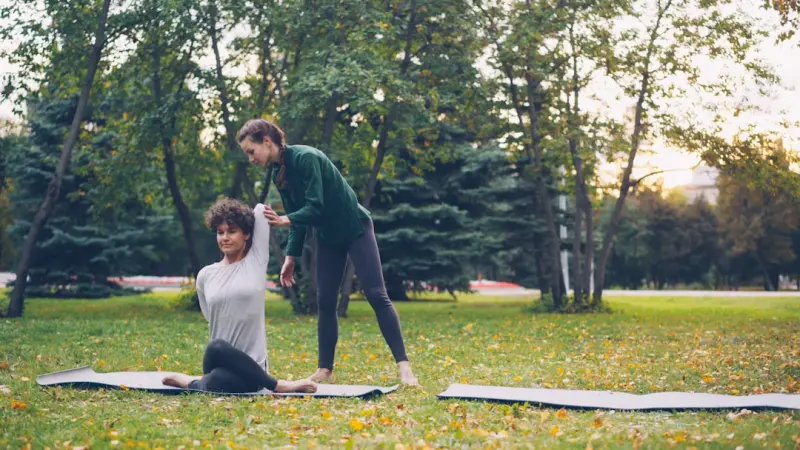
Enter nature‑based physiotherapy, an emerging practice that blends evidence‑based movement science with the restorative power of the outdoors. It isn’t a gimmick or a trendy Instagram backdrop; it’s a strategic, research‑backed approach that leverages natural terrain, weather patterns, and even the rhythm of birdsong to accelerate healing, improve proprioception, and reduce stress.
The Science Behind “Green” Recovery
Our bodies evolved in a world of trees, uneven ground, and variable weather. When we’re confined to smooth, climate‑controlled floors, we’re essentially asking our neuromuscular system to operate in a vacuum. Studies in environmental psychology have repeatedly shown that exposure to green spaces lowers cortisol, improves heart‑rate variability, and boosts overall mood. These physiological shifts create a fertile ground for the neuroplastic changes that physiotherapy aims to provoke.
But the benefits go beyond hormones. Natural surfaces—think gravel paths, forest trails, and sand dunes—challenge the body’s balance systems in ways that static gym floors cannot. The uneven footing forces the vestibular system and the small stabilizing muscles around the ankles and hips to fire more precisely, leading to stronger joint stability and reduced re‑injury rates.
Designing an Outdoor Session: From Concept to Execution
Transitioning a treatment plan from clinic to park isn’t as simple as swapping a mat for a meadow. It requires thoughtful adaptation to the patient’s goals, current functional level, and environmental constraints. Below is a step‑by‑step framework I use with my clients:
- Assessment in Context: Begin with a brief outdoor mobility screen. Observe how the patient navigates a short, uneven trail compared to a flat surface. Take note of gait asymmetries, balance hesitations, and any pain spikes.
- Goal Alignment: Translate the clinic’s SMART goals into nature‑friendly equivalents. For instance, “improve single‑leg stance for 30 seconds on a firm surface” becomes “maintain a single‑leg stance on a soft moss patch for 30 seconds while maintaining a steady gaze on a distant tree.”
- Tool Selection: Use portable, low‑tech tools that complement the environment—resistance bands, weighted vests, and small kettlebells. Avoid bulky equipment that hampers mobility or distracts from the natural setting.
- Progressive Terrain Integration: Start on grass (low‑impact, moderate proprioception), advance to packed dirt (higher impact), then to loose gravel or sand (maximal proprioceptive demand). Each transition should be deliberate, allowing the nervous system time to adapt.
- Mindful Breathing & Grounding: Incorporate breathwork that syncs with the surrounding rhythm—inhale as you step onto a log, exhale as you lower into a squat. This not only improves oxygen delivery but also deepens the mind‑body connection.
Case Study: From Desk‑Bound Pain to Trail‑Ready Mobility
One of my most rewarding clients, Alex, spent eight hours a day hunched over a laptop. He presented with chronic thoracic kyphosis, tight hip flexors, and recurring lower‑back spasms. Traditional clinic work helped, but his progress plateaued after three months.
We introduced a weekly “green session” at a nearby forest preserve. The plan incorporated:
- Dynamic warm‑ups on a pine‑needle carpet to stimulate tactile receptors.
- Hip‑hinge drills using a fallen log as a prop, encouraging a neutral spine while navigating an uneven surface.
- “Tree‑to‑tree” walking lunges, which forced Alex to maintain proper knee alignment despite variable ground angles.
- Cool‑down meditation under a canopy, focusing on diaphragmatic breathing to reset the autonomic nervous system.
After eight weeks, Alex reported a 60% reduction in back pain, improved posture (visible even in his video conference calls), and, most importantly, a newfound enthusiasm for movement that extended beyond therapy sessions. He now hikes once a week, using the same biomechanical principles we practiced in the clinic.
Integrating Technology Without Losing the “Nature” Vibe
While the core philosophy champions simplicity, technology can still play a supportive role. Wearable sensors that track gait symmetry or muscle activation can provide real‑time feedback without breaking immersion. I often pair these devices with a mobile app that logs weather conditions, terrain type, and perceived exertion. Over time, the data builds a personalized “outdoor performance map,” highlighting which environments yield the best functional gains.
For those skeptical about data, remember that the goal isn’t to replace intuition but to augment it. As one client told me, “Seeing my stride length improve on a rocky trail, not just on the treadmill, proved that the forest was actually teaching my body.”
Overcoming Common Barriers
Transitioning to nature‑based sessions can feel daunting. Here are the top hurdles I’ve encountered and practical solutions:
- Weather Concerns: Have a flexible schedule. Light rain can be an ally—wet surfaces increase proprioceptive challenge. If severe weather hits, shift to an indoor “nature‑simulated” space with plants, natural lighting, and a balance board.
- Accessibility: Not everyone lives near a park. Urban rooftops, community gardens, or even a backyard can serve as effective outdoor labs. The key is variance in surface texture.
- Safety: Conduct a quick hazard scan—watch for loose rocks, low-hanging branches, or slippery moss. Always have a clear exit route and a first‑aid kit handy.
- Client Perception: Some patients worry that outdoor work is “less serious.” Frame it as a progressive phase in the rehabilitation continuum, backed by research on proprioceptive training and stress reduction.
Connecting Outdoor Physiotherapy to Broader Wellness Trends
There’s a growing body of literature linking time spent in nature to better mental health, immune function, and even creativity. By integrating outdoor sessions, physiotherapists can become pivotal contributors to a patient’s holistic well‑being—not just a conduit for physical recovery.
In fact, the conversation about mental space in a hyper‑connected world is gaining traction. If you’re curious about how mental clarity intertwines with physical rehab, check out the piece on Reclaiming Mental Space in a Hyper‑Connected World. It highlights strategies that complement outdoor physiotherapy, such as digital detoxes and mindful movement.
Moreover, technology‑enhanced physiotherapy is evolving rapidly. While virtual reality has its place—see the discussion in Immersive Physiotherapy—the tactile, unpredictable nature of real outdoor environments offers a different, equally valuable set of stimuli that no headset can fully replicate.
Practical Tips for Therapists Ready to Go Green
- Scout Your Site: Spend a day walking the intended path without a patient. Note surface variations, shade patterns, and any potential hazards.
- Prepare a Portable Kit: Include a yoga mat, resistance bands, a small foam roller, water, and a first‑aid kit. Keep it in a sturdy backpack for quick transport.
- Educate the Patient: Explain the why behind each outdoor element—how the uneven ground challenges proprioception, how fresh air modulates stress hormones, etc.
- Document Progress: Use photos, video clips, or sensor data to capture improvements. Visual proof can boost motivation and provide objective metrics for insurance documentation.
- Stay Flexible: The weather will change, and so will your patient’s tolerance. Adjust intensity, duration, and terrain on the fly.
The Future Landscape: Community‑Driven Green Rehab
Imagine a network of local parks equipped with low‑cost physiotherapy stations—think simple balance beams made of reclaimed wood, outdoor resistance band racks, and QR codes linking to guided exercise videos. Community centers could partner with therapists to host “rehab walks” where groups of patients perform coordinated drills under professional supervision. This model not only democratizes access to high‑quality rehab but also fosters social support, an often‑overlooked factor in long‑term adherence.
Such collaborative ecosystems echo the broader movement toward community‑centric health solutions, where the environment, technology, and professional expertise intersect to create sustainable, empowering experiences for patients.
Closing Thoughts: Embrace the Wild, Trust the Process
Physiotherapy has always been about movement, adaptation, and resilience. By stepping outside the clinic walls—literally—we can tap into a deeper well of sensory input, emotional balance, and functional challenge. The forest, the beach, the city park—all become extensions of the treatment table, each offering unique stimuli that sharpen the nervous system, strengthen muscles, and soothe the mind.
If you’ve been stuck in a therapeutic rut, consider adding a splash of green to your regimen. Your body, brain, and perhaps even your soul will thank you for it.

Brandy Miller is a dynamic freelance writer based in the vibrant city of Cambridge, Ontario. With a passion for storytelling that knows no bounds, she crafts compelling narratives that captivate and inspire. Brandy’s love for writing shines through in her versatile work, whether she’s penning thought-provoking articles or engaging content that resonates with readers. Her unique perspective and friendly tone make her a sought-after voice in the writing community. When she’s not weaving words together, you can find her exploring the beautiful landscapes of Ontario, always seeking new adventures and inspiration for her next piece. Brandy is not just a writer; she’s a creative force, making her mark one word at a time.
Related Posts
The Power of Community-Based Group Physiotherapy: Healing Together
Explore the transformative impact of community-based physiotherapy, where shared energy, social neur... Read More
Stepping Into the Future: How Virtual Reality is Transforming Physiotherapy
Virtual reality is turning physiotherapy from routine exercises into engaging, data‑rich experienc... Read More

Desk‑Bound No More: Crafting a Self‑Guided Physiotherapy Routine for Remote Professionals
Discover a four‑pillar framework—Awareness, Activation, Alignment, and Adaptation—that lets re... Read More
Top Posts

Rethinking Liver Health: The Microbiome‑Liver Connection and Digital Tools
Discover how a thriving microbiome, smart eating windows, and wearable insights can transform liver health, offering practical steps and future tech predictions...Read More

Turn Down the Noise: Auditory Hacks to Tame Insomnia
A practical guide to using pink noise, binaural beats, and nature sounds—combined with dim lighting and breathing exercises—to calm the mind and conquer ins...Read More
When the Night's Partner Snore: Navigating Sleep Apnea in Relationships
Sleep apnea doesn’t just affect the person breathing irregularly; it ripples through the relationship, disrupting both partners' sleep and emotional connectio...Read More

Engineering Your Gut for Unstoppable Focus
A deep dive into how optimizing your gut microbiome can become a strategic performance tool, with actionable diet, timing, and supplement tips for sustained foc...Read More
0 Comments
Post Comment
You will need to Login or Register to comment on this post!