
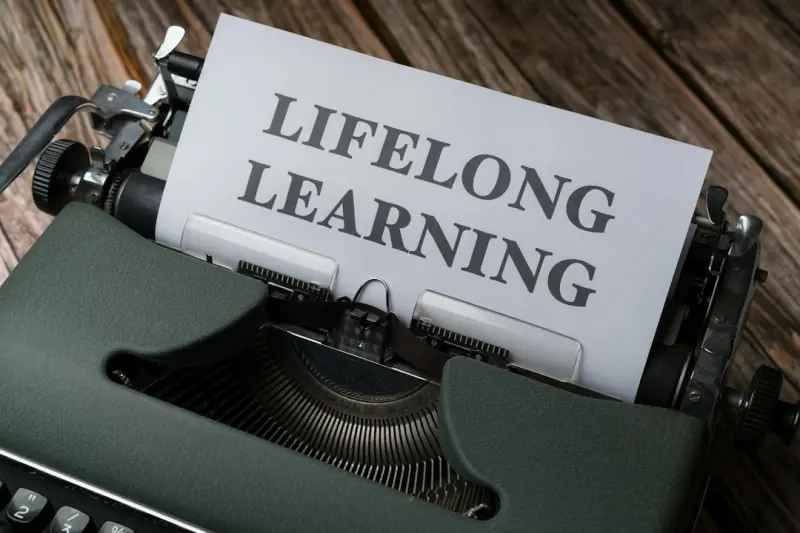
Why Midlife is the Perfect Time to Supercharge Your Brain
When most people think about protecting their brain, the conversation often circles around “exercise” or “diet.” While those are undeniably important, there’s a hidden, high‑impact lever that many overlook: deliberate skill acquisition. Learning something new—whether it’s a language, a musical instrument, or a coding language—does more than fill your evenings with fun. It rewires your neural circuits, builds a buffer against age‑related decline, and sharpens the very processes that keep you adaptable in a fast‑changing world.
Understanding Cognitive Reserve
The term cognitive reserve refers to the brain’s ability to improvise and find alternate pathways when faced with damage or age‑related changes. Think of it as a mental safety net. People with higher cognitive reserve tend to experience a slower onset of dementia symptoms, recover faster from injuries, and maintain sharper executive function well into later years.
Scientists have identified several contributors to cognitive reserve: education, occupational complexity, social engagement, and—crucially—continuous learning. While formal education usually peaks in early adulthood, the brain remains plastic throughout life. The key is to keep challenging it with novel, complex tasks that demand attention, memory, and problem‑solving.
The Science Behind Skill Learning and Neuroplasticity
Neuroplasticity is the brain’s capacity to reorganize itself by forming new neural connections. When you learn a new skill, you trigger a cascade of biological events:
- Synaptogenesis: The creation of new synapses between neurons, which enhances communication pathways.
- Myelination: Strengthening of the myelin sheath around axons, allowing signals to travel faster.
- BDNF release: Brain‑derived neurotrophic factor (BDNF) supports the growth and survival of neurons, acting as a “fertilizer” for brain tissue.
These processes are not limited to childhood. Research shows that adults who commit to consistent practice—say, 30 minutes a day of piano—experience measurable increases in grey‑matter density in regions linked to auditory processing and motor coordination. The effect is cumulative: the more varied the challenges, the broader the network of strengthened pathways.
Choosing the Right Skill: What Works Best?
Not all hobbies are equal when it comes to cognitive benefits. The most potent activities share a few common traits:
- Complexity: Tasks that require multi‑step problem solving (e.g., learning a programming language).
- Feedback loops: Immediate or frequent feedback helps the brain adjust strategies quickly (e.g., language apps that correct pronunciation).
- Physical component: Engaging the body adds a sensorimotor dimension, boosting coordination between motor and cognitive regions (e.g., dancing, martial arts).
- Social interaction: Collaborative learning deepens memory encoding through emotional and contextual cues.
Examples of high‑impact skills include:
- Playing a musical instrument (piano, guitar, drums)
- Learning a new language or sign language
- Programming or data‑analysis basics
- Creative writing or storytelling workshops
- Strategic board games like Go or chess
- Cooking complex cuisines that require precise timing and technique
Practical Blueprint: Turning Curiosity into a Brain‑Boosting Routine
Below is a step‑by‑step plan you can start today, whether you’re a busy professional, a parent juggling responsibilities, or anyone looking to future‑proof their mind.
1. Set a Clear, Measurable Goal
Instead of “I want to learn French,” frame it as “I’ll complete the A1 level of Duolingo within 12 weeks.” Specificity fuels motivation and makes progress trackable.
2. Allocate Micro‑Sessions
Research shows that short, consistent sessions (15‑30 minutes) are more effective for long‑term retention than marathon sessions once a month. The brain benefits from spaced repetition, which reinforces neural pathways each time you revisit the material.
3. Use Multisensory Learning
Combine auditory, visual, and kinesthetic inputs. For language, listen to podcasts, read subtitles, and practice speaking aloud. For music, watch tutorials, read sheet music, and physically play the instrument.
4. Build a Feedback Loop
Choose resources that provide instant feedback—language apps that correct grammar, coding platforms that flag errors, or a teacher who offers constructive critique. Immediate correction helps the brain adjust and solidify the correct pattern.
5. Engage Socially
Join a community of learners. Language meet‑ups, local coding bootcamps, or online forums create accountability and embed learning within a richer emotional context.
6. Celebrate Milestones
Mark each achievement—finishing a song, holding a five‑minute conversation, or debugging your first program. Celebration triggers dopamine release, reinforcing the learning circuit and making you more likely to stick with the habit.
Integrating Skill Learning into a Holistic Brain‑Health Strategy
While acquiring new skills is powerful, it works best when paired with other pillars of brain health:
- Sleep hygiene: Deep REM cycles consolidate procedural memory, the type of memory used when you master a skill.
- Physical activity: Aerobic exercise increases cerebral blood flow and BDNF, complementing the neuroplastic gains from learning.
- Nutrition: Omega‑3 fatty acids, antioxidants, and adequate protein supply the raw materials for neuron repair and growth.
In fact, the interaction between gut health and cognition is gaining attention. A balanced gut microbiome mastery can influence mood, focus, and even the speed of learning by modulating inflammation and neurotransmitter production. When you pair a healthy gut with deliberate learning, you create a synergistic environment for brain resilience.
Real‑World Success Stories
Case Study 1 – The Corporate Executive: A 48‑year‑old marketing director began piano lessons three times a week. Within six months, she reported sharper strategic thinking, reduced decision fatigue, and an unexpected boost in creative brainstorming during board meetings.
Case Study 2 – The Retiree Turned Coder: A 62‑year‑old retired engineer took an introductory Python course on a weekend bootcamp. After a year of weekly practice, he contributed open‑source code to a health‑tech project, and cognitive assessments showed improved processing speed and working memory.
Potential Pitfalls and How to Overcome Them
Even with enthusiasm, you can hit roadblocks:
- Impatience: Expecting rapid mastery leads to frustration. Remember that neuroplastic changes occur over weeks to months, not days.
- Over‑commitment: Adding too many new activities dilutes focus. Prioritize one skill at a time, then rotate.
- Plateau: Progress may slow after initial gains. Combat plateaus by increasing difficulty—advance to higher‑level pieces, converse with native speakers, or tackle more complex coding projects.
Leveraging Technology Wisely
Digital tools can accelerate learning, but they must be used mindfully. Platforms that gamify progress, such as language apps with streaks and leaderboards, keep motivation high. However, avoid the trap of endless scrolling or multitasking while learning—those habits fragment attention and diminish the neuroplastic benefits.
Connecting the Dots: A Sustainable Mental Fitness Ecosystem
Learning new skills isn’t an isolated habit; it’s a core component of a broader sustainable mental fitness ecosystem. When you view skill acquisition as a daily ritual alongside movement, nutrition, and restorative sleep, you create a resilient, self‑reinforcing loop that protects cognitive function long after you retire from the workforce.
Takeaway: Your Brain Is a Muscle That Thrives on Variety
Just as a well‑rounded fitness routine prevents physical injury, a varied mental routine guards against cognitive decline. Midlife is not a deadline but a launchpad. By intentionally choosing new, challenging skills, you give your brain fresh material to sculpt, reinforce, and protect.
So, pick that dusty guitar, sign up for a weekend coding sprint, or enroll in a conversational French class. Your future self will thank you with sharper focus, better mood regulation, and a brain that’s primed to adapt to whatever comes next.

Related Posts

How Movement Shapes Your Mind: The Science of Embodied Brain Health
Discover the science behind embodied cognition and learn practical, low‑effort movement habits tha... Read More
Rewilding Your Brain: How Nature Restores Cognitive Vitality
Exploring the science behind nature's impact on the brain, this article offers practical ways to int... Read More
Brain Boost via Microbreaks: A New Blueprint for Cognitive Resilience
A deep dive into leveraging short, purposeful pauses and bite‑sized learning to reinforce neuropla... Read More
Top Posts
Rethinking Menstrual Health: How Workplace Rhythm Impacts Women’s Wellness
The modern 9‑to‑5 often clashes with women's natural hormonal cycles, leading to irregular periods and heightened symptoms. This article reveals the science...Read More

Your Liver’s Secret Role in Stress Resilience
Explore the hidden connection between stress and liver function, learn rhythmic nutrition, key micronutrients, and stress‑modulating practices to keep your li...Read More

The Desk‑Warrior’s Guide to Keeping Blood Pressure Low
A practical, data‑backed routine for knowledge workers: micro‑movements, breathing drills, and smart food swaps that lower blood pressure while keeping you ...Read More

Vaping at Work: Turning a Trend into a Strategic Advantage
A deep dive into how vaping can become a performance metric, a networking tool, and a health risk—offering professionals actionable insights to turn a common ...Read More
0 Comments
Post Comment
You will need to Login or Register to comment on this post!