

Why the Desk Is the New Therapy Room
When I first stepped into a corporate office as a physiotherapy consultant, the sight that greeted me was both familiar and unsettling: rows of employees glued to screens, shoulders hunched, necks craned, and wrists perpetually hovering over keyboards. The modern workspace has become a silent antagonist, slowly eroding musculoskeletal health while promising productivity. Yet, within this very environment lies a hidden ally—tiny, intentional movements that, when practiced consistently, can transform a sedentary desk into a dynamic physiotherapy hub.
The Real Cost of Sitting Still
Most of us have heard the statistics: sitting for more than eight hours a day doubles the risk of cardiovascular disease, contributes to chronic lower‑back pain, and accelerates degenerative disc changes. What’s less talked about is how these micro‑traumas compound over weeks, months, and years, creating a cascade of compensations—tight hip flexors, weak glutes, and overactive upper traps—that physiotherapists spend countless hours correcting. The paradox is that the very place where we spend our most productive hours can also be the breeding ground for chronic dysfunction.
Enter Micro‑Movements: The Tiny Revolution
Micro‑movements are deliberate, low‑impact actions performed in short bursts—often just a few seconds—designed to reset neural pathways, activate dormant muscles, and restore optimal joint alignment. Think of them as “physiotherapy snacks”: quick, nutrient‑dense interventions that keep the body from slipping into a state of inertia. Unlike traditional exercise routines that demand dedicated time and space, micro‑movements can be woven seamlessly into the workday without disrupting workflow.
The Science Behind Micro‑Breaks
Research from occupational health labs shows that a 60‑second micro‑break every 30 minutes can significantly reduce perceived fatigue and improve postural stability. The mechanism is twofold. First, these brief activations stimulate proprioceptive feedback, reminding the brain of the correct muscle firing patterns. Second, they increase local blood flow, delivering oxygen and nutrients to tissues that have been starved by prolonged static loading. Over time, this “reset button” approach mitigates the development of trigger points and helps maintain the elasticity of connective tissue.
Building a Micro‑Movement Toolbox
- Neck Mobilizers: Gently tilt the head side‑to‑side, then forward and back, holding each position for 3‑5 seconds. This restores cervical joint glide and eases tension in the upper trapezius.
- Shoulder Blade Squeezes: Pull the shoulder blades together, imagining you’re trying to hold a pencil between them. Hold for 5 seconds, then release. Repeating this 8‑10 times reactivates the rhomboids and middle traps.
- Seated Hip Flexor Stretch: While seated, place one foot flat on the floor, the other heel lifted. Gently press the hips forward, feeling a stretch in the front of the thigh. Switch sides.
- Wrist Extensor Waves: Extend the arm, palm down, and gently pull the fingers back with the opposite hand. Hold for 5 seconds, then reverse. This combats carpal tunnel strain.
- Thoracic Rotation: Sit tall, place a hand behind the head, and rotate the torso toward the opposite knee. Perform 5 reps each side to improve thoracic mobility.
These movements can be performed while waiting for a meeting to start, during a coffee break, or even while on a conference call—no special equipment required.
Harnessing Technology: AI‑Guided Micro‑Movement Prompts
While the concept is simple, consistency is the real challenge. This is where artificial intelligence steps in. Wearable sensors—such as smart watches or discreet posture‑tracking clips—collect real‑time data on sitting time, slouching, and repetitive strain. AI algorithms analyze this data and deliver personalized micro‑movement prompts right to your desktop or phone, ensuring that you never miss a chance to reset.
Imagine a subtle vibration on your wrist after 45 minutes of continuous typing, accompanied by a pop‑up that reads: “Time for a micro‑movement: shoulder blade squeeze.” Over weeks, the system learns which prompts you respond to best and adapts its timing and intensity accordingly. This symbiosis of physiotherapy expertise and machine learning creates a truly bespoke rehabilitation experience, right at the desk.
Integrating Micro‑Movements Into Company Culture
For organizations that truly value employee well‑being, micro‑movements can become a cultural pillar. Here are three practical steps to embed them into the daily rhythm:
- Leadership Modeling: When executives pause for a micro‑movement, it signals that health is a priority, encouraging team members to follow suit.
- Scheduled “Movement Minutes”: Block out one minute every hour on shared calendars, complete with a brief video guide. The regularity builds habit without feeling forced.
- Incentivized Wellness Programs: Use gamified platforms that award points for completed micro‑breaks. These points can be redeemed for ergonomic equipment, massage sessions, or even extra PTO days.
By weaving these practices into the fabric of daily operations, companies not only reduce injury‑related costs but also boost morale and productivity.
Case Study: From Chronic Back Pain to Desk‑Friendly Resilience
One of my recent corporate clients—an emerging fintech firm with a 150‑person workforce—faced a surge in reports of lower‑back discomfort. Traditional interventions, such as ergonomic chair upgrades, provided only temporary relief. We introduced a micro‑movement program paired with AI‑driven prompts. Within six weeks, 78% of participants reported a noticeable reduction in pain, and the company’s health insurance claims for musculoskeletal issues dropped by 34%.
This success story aligns with broader trends in health benefits. Companies that leverage innovative wellness solutions often see a direct impact on their insurance premiums and employee retention. For a deeper dive into how smart health benefits can become a competitive advantage, check out Smart Health Insurance: Turning Benefits into a Competitive Advantage.
Micro‑Movement Meets Chrono‑Nutrition
While micro‑movements target the musculoskeletal system, pairing them with strategic nutrition timing can amplify recovery. Aligning meals with your body’s circadian rhythm—known as chrono‑nutrition—helps regulate inflammation and supports tissue repair. For example, consuming a protein‑rich snack within 30 minutes of a micro‑movement break can accelerate muscle synthesis. To explore the science behind meal timing, read Chrono‑Nutrition: Syncing Meal Times to Stabilize Blood Sugar.
Designing Your Personal Micro‑Movement Plan
Creating a sustainable plan starts with a simple self‑audit:
- Identify Pain Points: Where do you feel tension most often? Neck? Lower back? Wrists?
- Map Your Day: Note the longest periods of uninterrupted sitting.
- Select Targeted Moves: Choose 3‑5 micro‑movements that address your specific discomforts.
- Set Prompt Intervals: Use a timer or wearable device to cue you every 30‑45 minutes.
- Track Progress: Log how you feel after each week—note improvements in range of motion, pain levels, or energy.
Remember, the goal isn’t to replace a full physiotherapy session but to complement it. Think of micro‑movements as the daily maintenance that keeps your body’s “engine” running smoothly.
Future Outlook: The Rise of Integrated Rehab Ecosystems
The next frontier for physiotherapy lies in integrated ecosystems where data from wearables, AI, nutrition apps, and even virtual reality converge to deliver a holistic health experience. While VR‑based rehab has already shown promise in immersive environments, the real game‑changer will be the seamless blending of on‑desk micro‑movements with these advanced technologies. Imagine a scenario where your VR headset guides you through a virtual forest walk, and upon removal, your smartwatch prompts a series of targeted desk exercises that reinforce the neural pathways you just trained.
Such ecosystems will empower individuals to take charge of their musculoskeletal health anytime, anywhere—making physiotherapy less of a “once‑a‑week appointment” and more of a continuous, lived experience.
Take the First Step Today
Start small. Set a timer for the next hour and perform a shoulder blade squeeze. Feel the difference in your posture, the subtle release of tension, the renewed sense of awareness. Then, let technology and habit work together to turn those fleeting moments into a lifelong movement practice. Your desk, once a silent saboteur, can become your most trusted physiotherapy partner.

Kelly Reynolds is a dynamic freelance writer hailing from the picturesque landscapes of Alberta. A master of the written word, she juggles her passion for storytelling with the exhilarating chaos of being a mother to five spirited children. With an impressive portfolio that spans various genres, Kelly captivates readers through her engaging blog posts and thought-provoking articles.
Related Posts
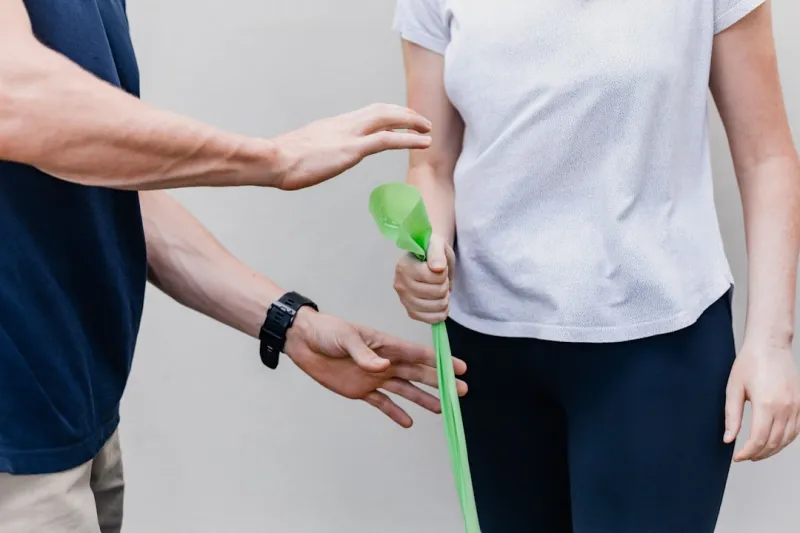
The Intersection of Physiotherapy and Mental Health: A Holistic Approach
As a physiotherapist, I've seen firsthand the impact of mental health on physical function. Learn ho... Read More
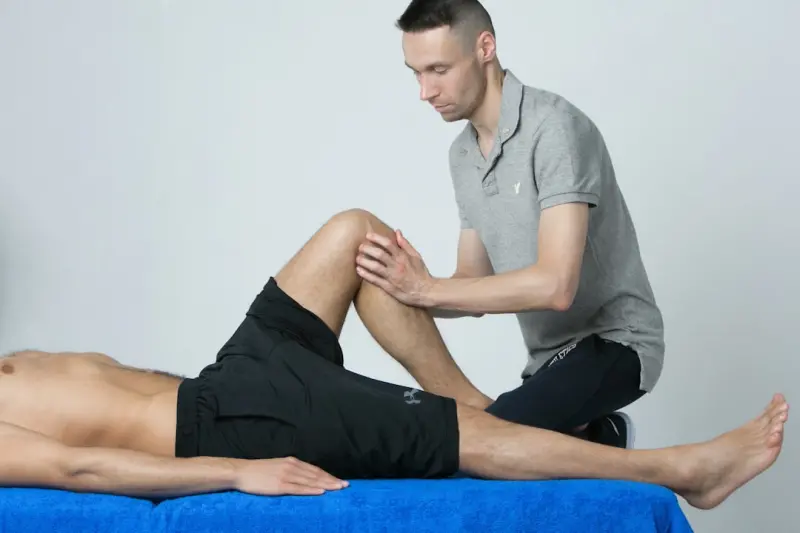
Rewiring Movement: How Modern Physiotherapy Empowers Desk‑Bound Professionals
This article explores a fresh physiotherapy framework that blends movement literacy, neuro‑muscula... Read More
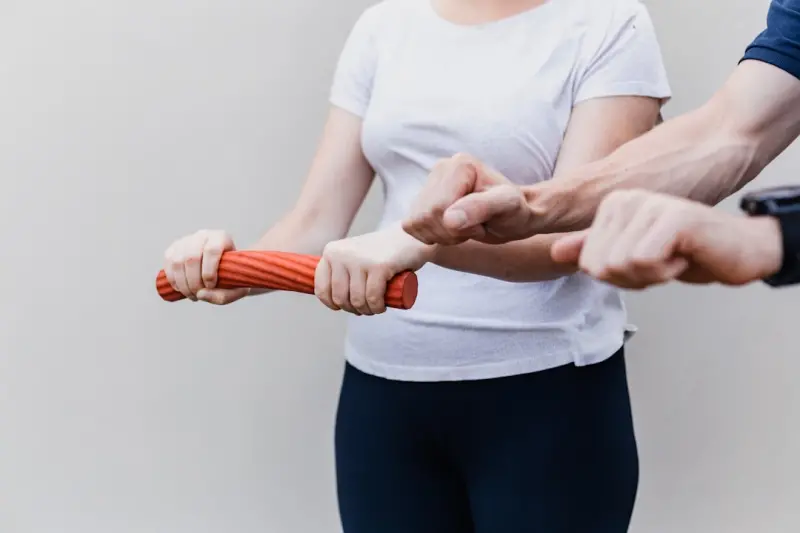
Physiotherapy Roadmap for Long COVID Recovery
A comprehensive guide from physiotherapist Jessica Hall on managing long COVID through breathing reâ... Read More
Top Posts

Harvesting Health: How Community Gardens Revitalize Seniors’ Bodies, Minds, and Social Lives
A senior’s garden is more than a hobby—it’s a holistic health tool. Learn how community gardening enhances mobility, cognition, nutrition, and social bond...Read More
Why Your Home's Air Might Be the Silent Saboteur of Your Health
A deep dive into how unseen pollutants inside your house affect your health, with practical tips, smart tech recommendations, and personal insights to improve i...Read More

The Intersection of Aging and Chronic Health Conditions: A Holistic Approach to Senior Health
A holistic approach to senior health involves considering the whole person - body, mind, and spirit - when managing chronic health conditions. Learn how to prio...Read More

Pregnancy in the Age of Data: A New Playbook for Expectant Professionals
A practical guide shows how expectant professionals can use wearables, nutrition tracking, and micro‑mindfulness to stay productive and healthy, turning pregn...Read More
0 Comments
Post Comment
You will need to Login or Register to comment on this post!