

Understanding the Signal
When my doctor first mentioned “prediabetes,” my mind raced to a checklist of dreaded diagnoses, yet the reality was far subtler—a gentle alarm bell that my body was whispering about its current relationship with sugar. Instead of seeing it as a looming verdict, I chose to interpret the A1C range as a compass pointing toward hidden habits that needed a fresh map, and that shift in perception instantly opened a space for curiosity rather than fear. In the weeks that followed, I began to log meals, moods, and movement in a way that felt like storytelling, allowing patterns to surface without judgment, and that narrative‑driven approach became the backbone of my reversal plan.
Reframing the Numbers
The numerical threshold for prediabetes is often presented as a static line, but I discovered that those digits are more like a flexible yardstick that responds to daily choices, much like a thermostat adjusting to the climate of our lives. By treating the A1C as a feedback loop rather than a final grade, I could experiment with tiny adjustments—adding a splash of cinnamon to coffee, swapping a midday soda for sparkling water, or simply standing up for two minutes every hour—and watch the metric inch downward in real time. This mindset turned data into dialogue, where each lab result sparked a conversation with my body about what it truly craved and what it needed to let go.
Everyday Experiments That Shift the Curve
One of the most empowering experiments I tried was “color‑coded carbs,” a simple visual cue where I placed whole‑grain foods in bright containers and kept refined grains in muted shades, instantly nudging my eyes toward the healthier options before I even tasted them. Another habit that reshaped my glucose landscape was a five‑minute breath‑pause before each meal, a moment to check hunger versus habit, which dramatically reduced mindless snacking and steadied post‑prandial spikes. I also incorporated short bursts of movement—three minutes of marching in place while waiting for the kettle—because even micro‑activity can improve insulin sensitivity, turning ordinary pauses into metabolic power‑ups.
Micro‑Journaling as a Mirror
To keep the experiment honest, I adopted micro‑journaling as a nightly ritual, noting three quick observations: the food I ate, the mood I felt, and a single body cue that surprised me. This practice didn’t feel like a chore; it was a concise mirror that reflected the day’s hidden sugar stories, allowing me to celebrate tiny wins and spot recurring triggers without drowning in detail. Over weeks, the journal evolved into a map of emotional‑nutritional terrain, revealing that stress‑induced cravings often masqueraded as “hunger,” prompting me to seek stress relief before reaching for a cookie.
Scheduled Mental Rest for Metabolic Balance
While the physical tweaks were crucial, I realized that my brain’s state directly influenced my blood sugar, prompting me to integrate scheduled mental rest into my day—five minutes of guided breathing or a brief nature video during lunch breaks. These mental pauses lowered cortisol, a hormone notorious for pushing glucose upward, and created a calmer internal environment where insulin could work more efficiently. The synergy between mental downtime and metabolic health became evident when I noticed smoother energy curves on days I honored those intentional rests.
Social Anchors and Shared Accountability
Sharing my prediabetes journey with a close‑knit circle transformed solitary effort into a communal adventure, where friends swapped recipe ideas, set collective step goals, and celebrated each other's lab improvements as group victories. We created a shared playlist of upbeat songs for walking intervals, turning exercise into a social dance party that felt less like a regimen and more like a celebration of movement. This network of accountability not only kept me honest but also infused the process with laughter, reminding me that health transformation thrives on connection as much as on discipline.
Redesigning the Kitchen Landscape
My kitchen became a laboratory of sensory cues, where I repositioned bowls of fresh berries at eye level and tucked sugary snacks into opaque containers on higher shelves, subtly guiding my hand toward nutrient‑dense choices without constant mental effort. I also experimented with aromatic herbs—rosemary, mint, and basil—sprinkling them over roasted vegetables to amplify flavor without relying on hidden sugars or excess salt. These environmental tweaks created an intuitive eating environment, where the act of preparing a meal felt like a creative ritual rather than a calculated battle against cravings.
Listening to the Body’s Quiet Messages
Over time, I learned to tune into the body's quiet messages—like a subtle tremor of fatigue after a high‑glycemic breakfast or a lingering sense of fullness after a protein‑rich lunch—and use those sensations as real‑time data points for adjustment. When I felt a dip in energy mid‑afternoon, I reached for a handful of almonds instead of a sugary bar, observing how steady fats steadied my focus and prevented the dreaded “crash.” This attentive listening turned my body into a collaborative partner, guiding me toward choices that honored both immediate comfort and long‑term balance.
Celebrating Progress Beyond the Scale
Finally, I redefined success by celebrating markers beyond weight—such as clearer skin, brighter sleep, and a steadier mood—recognizing that prediabetes reversal is a mosaic of subtle improvements rather than a single number. Each time a routine felt natural, or a blood test showed a modest A1C drop, I honored it with a small, non‑food reward like a new book or a sunrise hike, reinforcing the positive loop. By shifting the narrative from “fixing a problem” to “cultivating a vibrant, resilient self,” the journey became less about restriction and more about embracing a richer, more energetic version of life.

Related Posts

Reclaiming Heritage: How Cultural Cooking Can Transform Prediabetes
A fresh take on prediabetes: use your cultural dishes as a foundation for metabolic health by swappi... Read More

The Community‑First Playbook for Reversing Prediabetes
Learn how a small, supportive community can boost accountability, reduce stress, and improve glucose... Read More

Traveling Smart: Prediabetes Strategies for the Road
A comprehensive guide for people with prediabetes on how to travel confidently, covering pre‑trip ... Read More
Top Posts
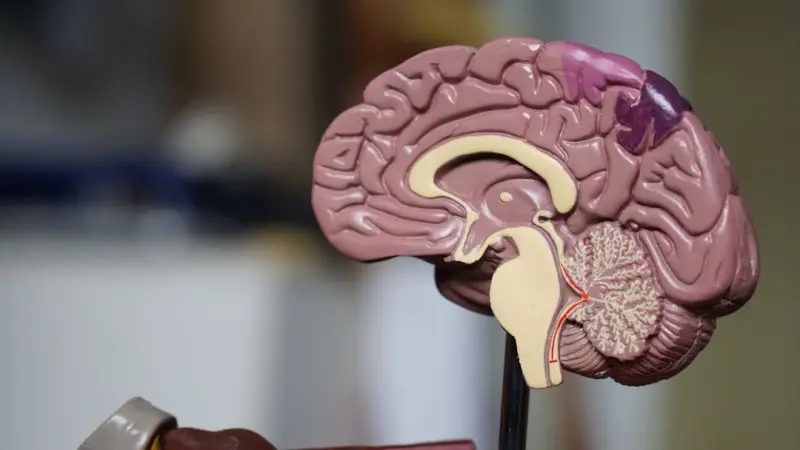
Neural Nutrition: Structuring Your Digital Day for Brain Longevity
Neural Nutrition teaches you how to feed your brain through intentional digital design, micro‑breaks, and auditory enrichment, creating a resilient mind that ...Read More

Rethinking Longevity: The Power of Adaptive Rhythm in Modern Workflows
A data‑driven approach to longevity that blends adaptive work rhythms, micro‑variability, and purpose, showing professionals how to sustain performance and ...Read More

The Soundtrack of New Life: How Early Auditory Experiences Shape Infant Health
A newborn’s ears are active participants in development. This article explains how prenatal and early postnatal sounds shape brain wiring, sleep, stress, and ...Read More

Cultivating Resilience: Community Gardens as a Healing Hub for Cancer Survivors
Discover how planting seeds in community gardens can improve immunity, reduce stress, and foster social connections for cancer patients, offering a holistic com...Read More
0 Comments
Post Comment
You will need to Login or Register to comment on this post!