

Why Micro‑Journaling Works for the Mind
When anxiety rolls in like a tide, a few deliberate words can act as a lifeboat, pulling you back to the present moment without demanding a full‑blown therapy session. Micro‑journaling—the practice of writing three to five lines about your feelings, sensations, or thoughts each day—leverages the brain’s natural tendency to seek patterns, turning chaotic emotion into a tidy narrative that the cortex can process more easily. This tiny habit also taps into the brain’s reward circuitry; the act of completing a short entry releases dopamine, reinforcing the behavior and gradually building emotional resilience.
Building the Habit Without Overwhelm
Start by choosing a consistent cue—perhaps the moment you brew your morning coffee or the instant you set your phone down before bed—and pair it with a simple notebook or a minimalist digital note that you love to open. Keep the prompt ultra‑specific, such as “What sensation am I noticing right now?” or “One word that captures today’s mood,” so the brain doesn’t stall on decision fatigue. Over the first two weeks, aim for a streak; the visual satisfaction of a growing calendar of entries becomes a subtle yet powerful motivator that keeps the practice alive even on busy days.
Neuroscience Behind the Quick Write
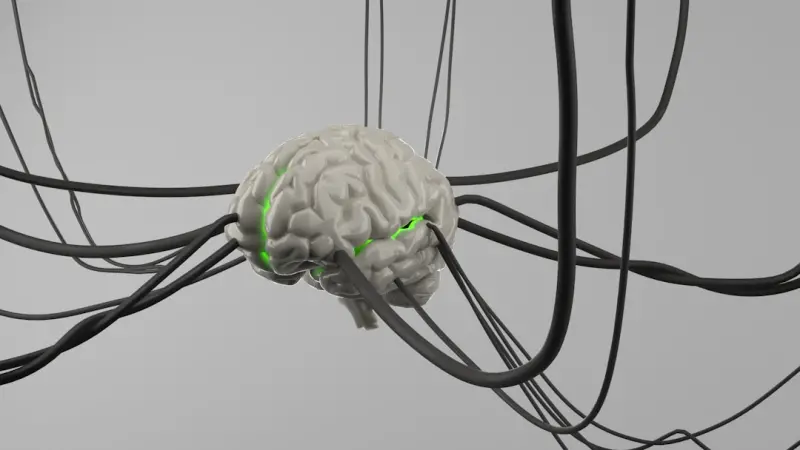
Neuroplasticity research shows that even brief, repeated reflective writing can strengthen the prefrontal cortex, the region responsible for emotional regulation and executive function, while simultaneously quieting the amygdala, the brain’s alarm system. By externalizing inner chatter, you give the limbic system a chance to “off‑load” stress hormones like cortisol, which in turn lowers the physiological markers of anxiety. In essence, each micro‑entry is a tiny rehearsal for larger emotional challenges, training the mind to respond with calm rather than panic.
Practical Steps to Make It Stick
Set a timer for 60 seconds and write whatever comes to mind without editing; the constraint forces you to prioritize what truly matters in that moment. If words feel limiting, add a single emoji or a quick doodle—visual cues can amplify the emotional resonance of the entry. Finally, review your collection once a month, highlighting recurring themes; this meta‑reflection reveals patterns you might otherwise miss, giving you actionable insight into triggers and coping strategies.
Amplifying Benefits with Brain‑Boosting Strategies
Pair micro‑journaling with proven brain health strategies like short, focused meditation or a brief walk outdoors, and you’ll notice a synergistic lift in mental clarity. The brief pause to write serves as a mental reset button, and when followed by a five‑minute mindfulness exercise, the nervous system shifts deeper into parasympathetic mode, enhancing the calming effect. This combo not only reduces rumination but also improves memory consolidation, turning fleeting feelings into lasting lessons.
The Role of Soundscapes in Emotional Reset
Sound has a direct line to the limbic system, and integrating ambient soundscapes—like gentle rain, low‑frequency ocean waves, or soft binaural beats—while you journal can deepen the sense of safety and focus. Research indicates that consistent exposure to calming auditory environments reduces heart rate variability and improves sleep quality, both of which are critical for emotional stability. Simply play a low‑volume track in the background as you write; the rhythm becomes a subtle metronome for your thoughts, guiding them into a smoother, more organized flow.
Creative Rhythm as a Mental Health Ally
Movement and creativity are often overlooked tools in the mental‑health toolbox, yet they can dramatically enhance the effectiveness of micro‑journaling. When you combine a brief stretch or a few minutes of free‑form dancing with your writing session, you release tension stored in the body, making space for clearer mental processing. For inspiration, check out the ideas in everyday rhythm for creativity, which outlines simple ways to weave motion into daily routines, turning your journal into a kinetic, multisensory experience.
Overcoming Digital Distractions
In a world saturated with notifications, the temptation to scroll instead of reflecting is strong, but setting a “no‑phone” zone during your micro‑journal window protects the fragile focus needed for genuine introspection. Consider using a physical pen and paper or an offline note‑taking app that disables internet access for the duration of the practice; the removal of external stimuli forces the brain to turn inward, sharpening self‑awareness. Over time, this disciplined break from the digital barrage becomes a sanctuary for the mind, reducing the overall sense of overwhelm that fuels anxiety.
Closing Thoughts: A Tiny Tool with Mighty Impact
Micro‑journaling may feel modest—a few lines on a page—but its ripple effects can transform the way you navigate stress, relationships, and daily challenges. By committing to a brief, consistent practice, you harness neurobiological pathways that promote calm, reinforce positive habits, and empower you to become the narrator of your own emotional story. Start today, and watch how these small entries accumulate into a robust archive of self‑knowledge, guiding you toward a more resilient, grounded, and joyful life.

Sarah Gray is a proud Canadian who calls Brampton home, where she lives with her husband, Paul. A passionate home cook and gifted storyteller, Sarah loves creating delicious recipes and sharing stories inspired by everyday life, family, and cherished experiences. When she isn't experimenting in the kitchen, she's busy crafting engaging content that reflects her warmth, creativity, and love of connection. Above all, Sarah treasures time spent with her grandchildren, embracing every opportunity to create lasting memories with the people she loves most.
Related Posts
Digital Overload: Finding Calm When Your Brain Is on Constant Replay
Discover how to break free from constant digital noise with intentional habits, environment tweaks, ... Read More

Storytelling as a Mental Health Superpower
Learn how the simple act of reshaping personal narratives can rewire the brain, lower stress, and im... Read More

Quiet Revolution: Harnessing Ambient Soundscapes to Calm the Modern Mind
Paula Wright reveals how intentional ambient soundscapes, paired with brief breathing microbreaks, c... Read More
Top Posts

How Your Home’s Design Can Add Years to Your Life
A fresh look at longevity reveals that the design of our homes plays a crucial role in aging well. This article explores how air quality, lighting, movement-fri...Read More

Why Your Gut Is the CEO of Your Decision‑Making
Jessica Hall explains the science behind the gut‑brain connection and shares actionable steps to harness your microbiome for sharper thinking and better busin...Read More

The Hidden Levers of Muscle Growth: A Systems Approach
Muscle growth isn’t just about lifting heavier; it’s a complex system of signals, nutrition, sleep, and stress management. This guide reveals how micro‑ad...Read More

The 2026 Body Detox Reset: My Holistic Blueprint for Clean Living
A practical 7‑day detox guide blending nutrition, liver care, and mental reset to help you cleanse, feel lighter, and boost vitality in 2026....Read More
0 Comments
Post Comment
You will need to Login or Register to comment on this post!