
Rethinking Longevity: The Power of Adaptive Rhythm in Modern Workflows
When I first stepped into the world of SaaS product design, I was dazzled by the promise of perpetual iteration—features that could be tweaked, data pipelines that never slept, and users who demanded ever‑more personalization. Over the years, that same relentless drive has revealed a paradox: the very systems we build to extend capability can erode the human engine that powers them. Longevity, then, is not just a question of biology; it’s a question of how we structure the cadence of our work, our rest, and our growth.
Why Rhythm Matters More Than Routine
Most wellness literature champions “routines” as the backbone of healthy living. While consistency has merit, the word routine often implies a rigid, one‑size‑fits‑all schedule. In practice, such rigidity can become a stressor, especially for knowledge workers whose cognitive load fluctuates hourly, daily, and seasonally. An adaptive rhythm—a fluid, data‑informed pattern of activity and recovery—allows the body and mind to respond to internal signals and external demands without the penalty of forced uniformity.
Think of a high‑frequency trading algorithm: it spikes, pulls back, and re‑optimizes based on market micro‑movements. Our bodies, too, thrive when we let the nervous system dictate moments of high‑output and deep restoration, rather than imposing a static “work‑hard‑play‑hard” script.
Mapping Personal Energy Signals with Digital Twins
In the SaaS world, we create digital twins of customer journeys to anticipate churn and surface opportunities. The same principle can be applied to personal health. By feeding wearable data—heart rate variability, sleep stages, activity intensity—into a personal analytics platform, we generate a living model of our own energy economy.
This model does not simply flag “you slept too little.” Instead, it predicts the optimal windows for deep work, collaborative brainstorming, or strategic planning. When the twin detects a dip in HRV, it suggests a low‑cognitive‑load task or a micro‑recovery session. When it notes a peak in circadian alertness, it nudges you toward high‑stakes decision making. The outcome is a feedback loop that aligns your professional output with the physiological ebb and flow that sustains longevity.
Micro‑Variability: The Antidote to Biological Stagnation
We often hear about micro‑movements as a way to keep the body active. But micro‑variability goes deeper: it’s the intentional introduction of small, unpredictable changes into your daily pattern. A brief, 5‑minute sprint after a prolonged desk session, a sudden shift from a standing desk to a walking meeting, or swapping a coffee for a short, mindful breathing pause—all act as micro‑stressors that stimulate cellular repair pathways, such as autophagy, without overwhelming the system.
Crucially, these micro‑variations must be calibrated. Too much novelty can trigger the sympathetic nervous system, while too little fails to stimulate adaptation. The personal digital twin can help fine‑tune this balance, suggesting the right magnitude and timing of variability based on real‑time biometrics.
Embedding Adaptive Rhythm in Team Culture
Longevity is often discussed as an individual pursuit, yet the reality is that workplace culture shapes the rhythm we can afford. Companies that allow flexible start times, encourage “focus blocks” followed by mandated micro‑breaks, and respect circadian diversity (night owls vs. early birds) see lower burnout rates and higher employee tenure.
From a leadership perspective, the shift is simple yet profound: move from prescriptive schedules to outcome‑based expectations, and provide the tools for teams to self‑manage their rhythm. For instance, a project management dashboard that visualizes not only task progress but also collective energy levels can prompt managers to redistribute workload before fatigue spikes.
Nutrition as a Rhythm Modulator
Beyond macronutrient ratios, timing of nutrient intake can be a lever for rhythm alignment. Research on time‑restricted feeding suggests that aligning meals with the body’s natural insulin sensitivity peaks can improve metabolic health and support the sleep‑wake cycle. In practice, this means scheduling your largest protein‑rich meals during the mid‑day window when the body is primed for muscle repair, and opting for lighter fare in the evening to avoid disrupting melatonin production.
When combined with the digital twin’s insight—say, a detected dip in glucose variability during late afternoon—it can recommend a strategic snack to stabilize energy without triggering a post‑prandial crash.
Leveraging Purpose as a Longevity Driver
Purpose isn’t just a buzzword; it’s a physiological catalyst. When we engage in work that resonates with our core values, the brain releases dopamine and oxytocin, hormones linked to reduced inflammation and improved immune function. This neurochemical boost can translate into tangible longevity benefits, from better cardiovascular health to enhanced cellular repair mechanisms.
To harness this, I encourage professionals to map their daily tasks onto a personal “impact matrix.” Identify which activities directly advance your long‑term mission and which are merely operational necessities. Then, schedule high‑impact tasks during your peak energy windows, as identified by your digital twin, to amplify the purpose‑driven neurochemical response.
Technology as a Longevity Ally, Not a Villain
The fear that constant connectivity erodes our lifespan is valid, but technology also offers unprecedented tools for longevity. AI‑driven sleep coaches, predictive health dashboards, and virtual reality meditation spaces are now accessible to the average professional. The key is intentional integration: use technology to surface insights, then act on them with mindful adjustments to your rhythm.
For example, an AI sleep coach might detect a pattern of delayed sleep onset linked to late‑night email checks. Rather than mandating a blanket “no email after 8 pm” rule, the system can suggest a gradual wind‑down protocol—perhaps a 10‑minute reading window followed by blue‑light reduction—tailored to your personal latency period.
Future‑Proofing Longevity: The Role of Continuous Learning
Neuroplasticity, the brain’s ability to rewire itself, declines with age but can be rejuvenated through deliberate learning. In a fast‑moving SaaS environment, staying curious isn’t just career‑savvy; it’s a longevity strategy. Engaging with new programming languages, design paradigms, or even unrelated artistic pursuits stimulates the hippocampus, supporting memory retention and cognitive resilience.
Integrating micro‑learning sessions—5‑minute code challenges, quick design critiques, or short language drills—into your daily rhythm can keep the brain in a state of gentle challenge, mirroring the micro‑variability we apply to physical activity.
Designing a Personal Longevity Playbook
To translate these concepts into actionable steps, consider the following framework:
- Assess: Deploy a wearable and a personal analytics platform to capture baseline rhythm data.
- Align: Map high‑cognitive tasks to identified peak energy windows.
- Vary: Introduce micro‑variability in movement, nutrition, and mental challenges.
- Integrate: Use technology to surface insights, not to dictate behavior.
- Iterate: Review weekly data, adjust rhythm parameters, and celebrate incremental wins.
This iterative, data‑driven approach mirrors the product development cycles we champion in SaaS, but applied to the most valuable asset you have—your own health and longevity.
Closing Thoughts: From Survival to Thriving
Longevity is no longer a distant, abstract goal reserved for the realm of genetics and medicine. It is an emergent property of how we orchestrate our daily cadence, how we let technology amplify self‑knowledge, and how we embed purpose into every pixel of our workflow. By treating our lives as adaptive systems—capable of sensing, responding, and evolving—we move from a survival mindset to one of thriving, sustainably, across the decades ahead.

Lifan Chen is a freelancer based in Toronto specializing in marketing. With expertise in crafting effective marketing strategies and campaigns, Lifan helps businesses grow their brand presence and reach target audiences. As a Toronto-based freelancer, Lifan combines local market insights with creative marketing skills to deliver tailored solutions for clients.
Related Posts

Chrono‑Tuning Your Life: Aligning Daily Rhythms for Longevity
Learn how timing your exposure to light, meals, exercise, and digital use can synchronize your inter... Read More

The Hormetic Edge: How Controlled Stress Fuels a Longer Life
Explore the science of hormesis and learn practical, everyday stress techniques that strengthen body... Read More

The Hidden Levers of Longevity: Why Your Social Circle Might Be the Real Fountain of Youth
Longevity isn’t just about genetics or supplements; it’s deeply rooted in the people we surround... Read More
Top Posts
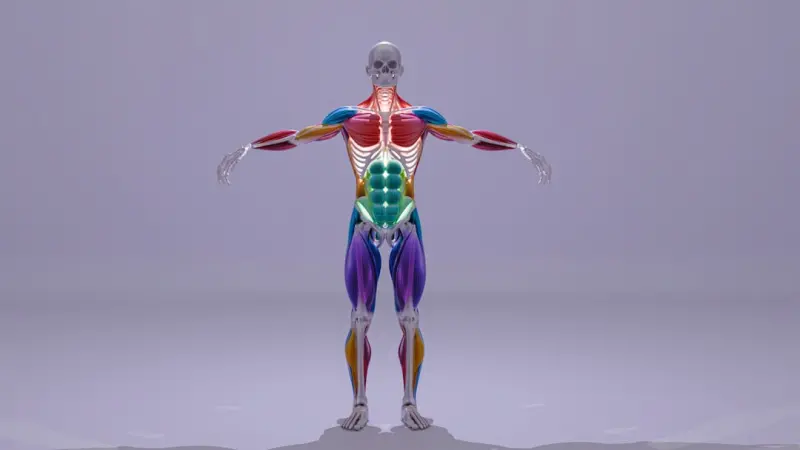
When Algorithms Meet Muscles: AI’s Role in Modern Physiotherapy
An in‑depth look at how artificial intelligence is revolutionizing physiotherapy, from smart motion capture to predictive injury prevention, and what this mea...Read More
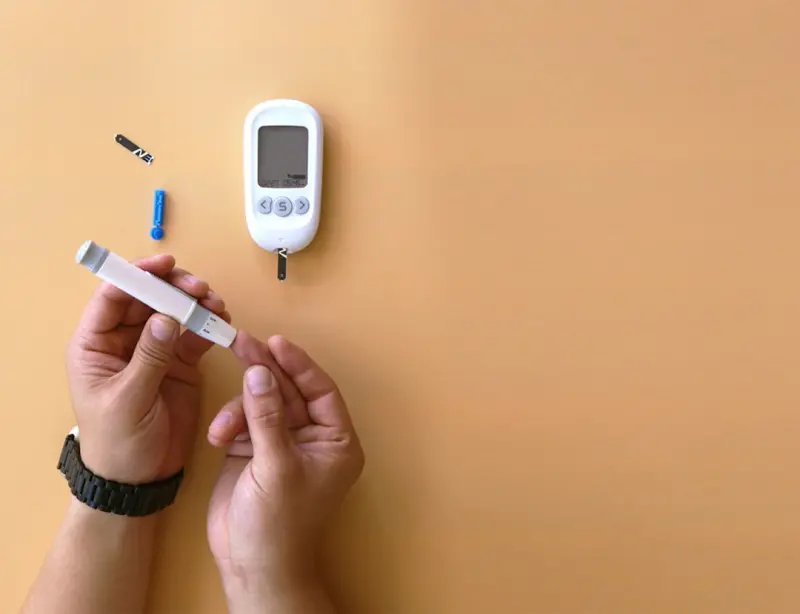
Mastering Blood Sugar: A Conversational Approach to Glucose Stability
Learn how to treat your blood sugar like a conversation partner, using food pairing, breathwork, micro‑movement, and CGM insights to achieve steady glucose le...Read More
Micro‑Experiments for Autoimmune Mastery: Crafting Daily Wins in an Unpredictable Body
Learn a practical framework for running micro‑experiments—small, data‑driven habit changes—to identify triggers, reduce symptoms, and create a personali...Read More
Beyond the Numbers: Personal Strategies to Tame Blood Pressure
A candid, data‑driven guide shares simple breathing, posture, hydration, and digital biofeedback habits that lowered the author’s blood pressure, offering a...Read More
0 Comments
Post Comment
You will need to Login or Register to comment on this post!