
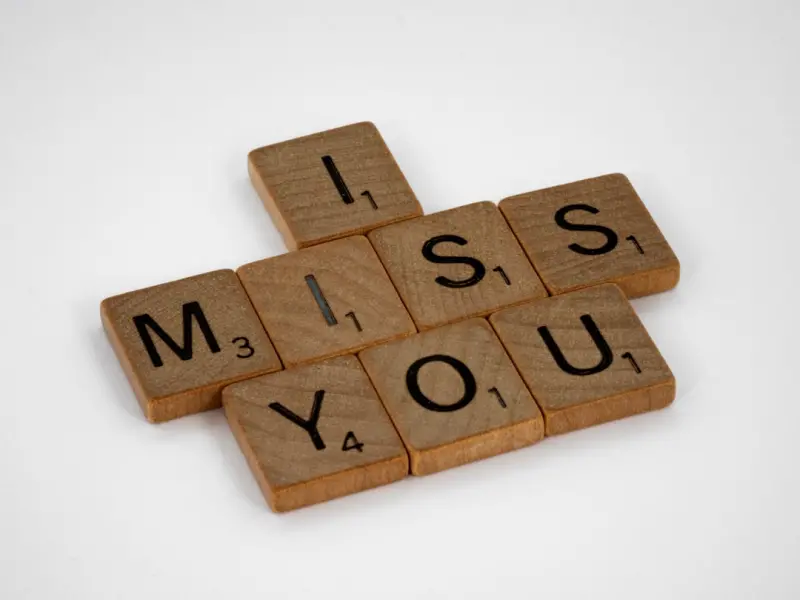
Redefining Rest: Why Mental Pauses Matter More Than You Think
When I first tried to schedule “mental rest” into my busy calendar, I felt a twinge of guilt, as if I were handing over precious productivity time to an indulgent luxury. Yet, the evidence quickly became personal: a few quiet minutes of intentional downtime transformed my focus, steadied my mood, and even sharpened my creativity, showing that the brain, like any muscle, craves recovery cycles to perform at its best. By treating mental rest as a non‑negotiable appointment—complete with a clear start, a gentle ending, and a mindful ritual—I discovered a sustainable way to protect my mental health without sacrificing the drive that fuels my ambitions. Scheduled mental pauses are not idle time; they are strategic refueling that empower you to return to work, relationships, and self‑care with renewed clarity and resilience.
The Science of Cognitive Saturation and Its Hidden Costs
Neuroscientists describe “cognitive saturation” as the point where continuous information processing overloads the prefrontal cortex, leading to decision fatigue, impaired memory, and heightened emotional reactivity. In my own experience, marathon‑style meetings, endless notification pings, and the pressure to multitask pushed me into a state where simple tasks felt mountainous, and my emotional thermostat swung wildly. Research indicates that even short breaks—just five minutes of eyes‑off‑screen rest—can reset the brain's default mode network, reducing stress hormones and restoring executive function. Ignoring these signals does not make you “tougher”; it merely accumulates hidden costs that erode mental health over months and years, manifesting as anxiety, burnout, or chronic indecisiveness. Understanding this neuro‑biological reality is the first step toward honoring the need for regular mental downtime.
Designing a Personal Rest Blueprint: The “Four‑Quadrant” Method
To move from abstract intention to concrete habit, I created a “four‑quadrant” rest blueprint that maps the type, duration, environment, and purpose of each pause. Quadrant one is a micro‑breath break—30 seconds of focused breathing at the start of a meeting, which I sometimes pair with a gentle reminder from my phone; this aligns with the principles I explore in Micro‑Journaling, where brief, intentional actions cascade into larger well‑being gains. Quadrant two is a “sensory reset”—five minutes of stepping outside, feeling the wind, and listening to natural sounds, a subtle nod to the auditory sanctuary concepts from The Healing Power of Sound. Quadrant three involves a “digital detox micro‑sprint” where I turn off all screens for ten minutes, allowing my visual cortex to relax. Finally, quadrant four is a “reflective unwind”—a 15‑minute journal or sketch session before bed, which consolidates the day’s experiences and prepares the mind for restorative sleep. This structured approach turns rest from an afterthought into a repeatable, measurable habit.
Integrating Rest into Remote and Hybrid Workflows
For many of us, the shift to remote or hybrid work blurred the lines between “on‑the‑job” and “off‑the‑job,” making it harder to recognize when a mental break is truly needed. I found that embedding rest directly into my digital workflow—by placing calendar blocks labeled “Mental Reset” and using ambient sounds or gentle lighting—creates a visual cue that the brain respects as a command to disengage. In practice, I set a recurring 10‑minute block after every two hours of screen time, during which I close all tabs, stretch, and practice a brief body scan, noticing tension points and releasing them. Over weeks, this routine not only lowered my baseline anxiety but also increased my output quality, as I returned to tasks with a clearer, more focused mindset. The key is to treat these intervals as non‑negotiable, just like a client meeting, and to communicate their purpose to teammates so that they become part of the collective culture of healthy productivity.
The Role of Environment: Crafting Rest‑Friendly Spaces at Home and Office
Our surroundings wield a subtle yet powerful influence on our ability to relax; a cluttered desk or harsh fluorescent lighting can sabotage even the most well‑intentioned rest plan. I redesigned my home office by adding a small “calm corner” with a low‑back chair, a soft rug, and a plant that filters indoor air, creating a sensory oasis that invites the brain to shift into a parasympathetic state. In the office, I advocate for “quiet pods”—compact, sound‑absorbing booths where employees can take brief, private pauses without feeling exposed. Simple environmental tweaks, such as dimming the lights, using a warm lamp hue, or playing low‑frequency ambient tones, signal the brain that it is safe to disengage from high‑alert mode. By aligning the physical space with the intention of mental rest, we reinforce the psychological cue that it is permissible—and beneficial—to pause.
Measuring the Impact: Simple Metrics to Track Rest Effectiveness
To ensure that scheduled mental rest is delivering tangible benefits, I turned to a few straightforward metrics that anyone can adopt without a lab. First, I track my “focus score” by noting the number of tasks I complete in a 90‑minute work sprint before and after a rest block; a consistent rise indicates that the break is resetting my cognitive stamina. Second, I monitor my heart‑rate variability (HRV) using a smartwatch; higher HRV readings after rest sessions correlate with reduced stress and better autonomic balance. Third, I keep a brief mood log, rating my emotional state on a 1‑10 scale before and after each pause, which helps me identify which types of rest—breathing, movement, or digital detox—are most effective for me. Over a month, these data points revealed a 20 % increase in task completion speed and a measurable uplift in daily mood, proving that intentional mental rest is not a luxury but a performance enhancer.
Overcoming Guilt and Cultural Barriers to Rest
One of the biggest obstacles to adopting regular mental pauses is the internalized belief that rest equals laziness, a narrative reinforced by a hustle‑centric culture that prizes constant output. I confronted this mindset by reframing rest as a form of self‑investment, akin to regular exercise or nutrition, and by sharing my personal data with peers to demonstrate its positive ROI. I also introduced a “Rest Champion” role within my team, where a rotating member models and advocates for scheduled breaks, normalizing the practice and diffusing the stigma. Open conversations about mental health, combined with clear policies that protect break times, help to dismantle the myth that productivity and rest are mutually exclusive. When we collectively shift the narrative to view rest as essential infrastructure, we create a healthier, more resilient work environment for everyone.
Leveraging Community: Group Rest Practices for Shared Benefits
Beyond individual routines, I discovered that communal rest experiences amplify the benefits for both the mind and the social fabric of a team. Implementing a weekly “collective pause”—a 15‑minute guided meditation or gentle stretching session conducted via video call—fosters a sense of shared intention and builds trust among participants. I also organized “silence circles” where a small group sits together in a quiet room, each focusing on their breath without the pressure to produce a verbal outcome; the shared silence creates a subtle yet powerful bond that reduces feelings of isolation. These group practices not only reinforce personal rest habits but also contribute to a culture of mutual support, demonstrating that mental health is a collective responsibility that thrives on both solitary and shared restorative moments.
Adapting Rest Strategies Across Life Stages and Roles
Rest is not a one‑size‑fits‑all prescription; it must evolve as we transition through different life phases—college, early career, parenthood, and beyond. For a new graduate like me, quick micro‑breaks between classes helped sustain focus during intensive study sessions. As a parent, I shifted to longer, scheduled “family wind‑down” periods where screens are off, and we engage in calm activities such as reading or gentle music, allowing both children and adults to reset together. In later career stages, I prioritize extended “mental vacations”—week‑long retreats in nature that disconnect me from work emails and allow deep reflection on long‑term goals. By continuously reassessing the type, length, and context of rest, we ensure that it remains relevant, supportive, and effective, no matter the role or responsibilities we carry.
Future Vision: Embedding Rest into Organizational Policy
Looking ahead, I envision a workplace where mental rest is codified into policy—just as we have paid leave and health insurance—through mandated “brain‑break” windows, optional nap rooms, and regular wellness audits that evaluate rest compliance. Companies could offer “rest credits” that employees accrue and redeem for extended downtime, reinforcing the value placed on mental recuperation. By integrating rest into performance metrics, training programs, and leadership development, organizations signal that they prioritize sustainable productivity over short‑term output spikes. This shift not only reduces burnout rates but also cultivates a thriving, innovative workforce that can navigate the complexities of modern life with clarity and resilience. The future of mental health in professional settings hinges on our willingness to institutionalize the very practices that keep our minds healthy, agile, and ready to create.

Becky Putman is an Ottawa-based freelance writer and marketing professional with a passion for storytelling, animals, and community involvement. She enjoys creating engaging content that informs, inspires, and connects with readers.
Related Posts

Rewriting the Inner Narrative: A Tactical Guide to Mental Fitness for High‑Achievers
A practical guide for leaders to capture, deconstruct, and rewrite their inner narrative, turning se... Read More
Silent Screens: Redefining Mental Resilience in the Remote Work Era
Explore how to rebuild mental calm in a remote work setting by redesigning digital habits, using amb... Read More
Digital Overload: Finding Calm When Your Brain Is on Constant Replay
Discover how to break free from constant digital noise with intentional habits, environment tweaks, ... Read More
Top Posts

Micro‑Adventures: Tiny Novel Experiences for a Longer, Healthier Life
Micro‑adventures—short, intentional bursts of novelty—stimulate neuroplasticity, diversify the gut microbiome, and activate hormetic stress pathways, offe...Read More

The Gig Economy’s Hidden Health‑Insurance Challenge and How to Solve It
Freelancers face a unique health‑insurance dilemma—static plans that don’t match their fluctuating income, geography, or risk. This article reveals how on...Read More

Nourish Your Brain: Seasonal, Gut‑Friendly Strategies for Creative Energy
Learn how to feed your gut, align meals with your circadian rhythm, and revitalize heritage recipes to fuel mental clarity and creative energy—all with practi...Read More

Unlocking Hidden Gains: The Neuro‑Science of Muscle Growth
Explore a neuro‑science based approach to muscle gain that leverages motor warm‑ups, micro‑loading, cognitive cues, and brain‑friendly nutrition for fas...Read More
0 Comments
Post Comment
You will need to Login or Register to comment on this post!