

Traveling Smart: Prediabetes Strategies for the Road
There’s a special kind of thrill that comes with planning a trip—new sights, fresh flavors, a break from the daily grind. For those of us living with prediabetes, that excitement can quickly be shadowed by a lingering worry: Will I keep my blood sugar in check while I’m away from home? I’ve been there, juggling airport security lines, spontaneous street‑food temptations, and time‑zone shifts, all while trying to honor the numbers on my glucometer. Over the years I’ve collected a toolbox of strategies that let me explore the world without sacrificing my health. In this post I’ll walk you through the practical, mental, and tech‑savvy approaches that have turned my travel anxiety into confidence.
1. The Pre‑Trip Blueprint: Planning Like a Pro
Success on the road starts long before you step through the terminal gate. The first thing I do is create a pre‑trip health checklist. It’s a simple document that covers:
- Medication & Supplies – A double‑stack of test strips, a backup lancet device, and any prescribed meds. I keep them in a zip‑locked bag labeled “Health Essentials.”
- Medical Documentation – A doctor’s note (in case you need to declare your supplies at customs) and a copy of your latest lab results. Some countries require proof of chronic conditions for medication import.
- Food Research – Scouting out restaurants that list nutritional info or have a reputation for “lighter” menu options. Apps like HappyCow and FindMyMeal help locate places that cater to low‑glycemic needs.
- Time‑Zone Adjustment Plan – Mapping out when you’ll be awake relative to your usual schedule, so you can pre‑emptively set alarm reminders for glucose checks.
These items may feel like a lot, but they’re the foundation for a stress‑free journey. Think of it as packing a second suitcase—one for your health.
2. Packing the Right Gear (Beyond the Suitcase)
When you’re traveling, the size and weight of your health kit matter. Here are my go‑to items:
- Compact Glucose Meter – I prefer a Bluetooth‑enabled meter that syncs to my phone. The data backs up automatically, so I never lose a reading.
- Portable Cooler Pack – Small, reusable gel packs keep insulin or GLP‑1 injections cool for a day or two. I stash one in my carry‑on and another in my day bag.
- Snack Arsenal – A mix of high‑fiber crackers, roasted chickpeas, and a few dark‑chocolate squares (70%+ cacao) keep cravings at bay without spiking glucose.
- Hydration Reminder Bottle – I use a bottle with time markers to guarantee I’m sipping water throughout the flight and during long layovers.
Every item serves a purpose: maintain glucose stability, avoid emergency situations, and keep you feeling in control.
3. The Airport: A Mini‑Battlefield for Blood Sugar
Airports are notorious for irregular meals, caffeine overload, and long periods of inactivity. My three‑step “airport protocol” keeps my numbers steady:
- Pre‑flight Snack – I eat a balanced snack (protein + fiber) 30 minutes before security. A Greek‑yogurt parfait with berries and a sprinkle of chia seeds does the trick.
- Stay Hydrated – Cabin air is dry, which can elevate blood glucose. I sip water consistently, using my marked bottle as a visual cue.
- Movement Breaks – Every hour I stand, stretch, or walk down the concourse. The simple act of moving muscles helps your body use glucose more efficiently.
Even if you’re stuck in a delayed flight, these habits are easy to repeat. A quick discover how gut health influences glucose control article reminded me that stress can upset your microbiome, which in turn can affect blood sugar. By staying calm and moving, you give your gut a better chance to stay balanced.
4. Navigating Meals in New Cultures
Food is often the most exciting part of travel, but it’s also where prediabetes can get tricky. Here’s how I turn culinary curiosity into a health‑friendly adventure:
- Ask for “Half Portion” or “Side Salad” – Many restaurants are happy to accommodate. It reduces carbs without sacrificing flavor.
- Prioritize Protein and Veggies – Grilled fish, lean meats, tofu, and plant‑based stews are usually low‑glycemic. Pair them with non‑starchy veggies for a balanced plate.
- Control the Carbs – If you can’t avoid bread or rice, ask for it on the side. This lets you portion it yourself and prevents accidental over‑eating.
- Mindful Portion Testing – I use a small pocket scale (yes, they’re tiny!) to weigh out carbs when the restaurant doesn’t provide nutrition info. It’s surprisingly satisfying to see the numbers.
When I was in Thailand, I discovered a local market stall that served fresh papaya salad with a light fish sauce drizzle. The dish was rich in fiber and low in sugar—a perfect example of how exploring local cuisine can align with glucose goals.
5. Leveraging Technology Without Over‑Reliance
Modern gadgets are a blessing, but they can also become a crutch. Here’s my balanced approach:
- Continuous Glucose Monitors (CGM) – If you have access, a CGM offers real‑time trends. Set alerts for rapid rises, but still verify with a finger‑stick if you’re unsure.
- Smartphone Reminders – I sync my meter to a health app that pushes a reminder every 4–6 hours. The app also logs meals, allowing me to spot patterns after the trip.
- Data Review, Not Obsession – At the end of each day, I glance at my summary. If I see a consistent spike after a certain meal, I tweak my next day’s choices. I avoid staring at the screen every 10 minutes, which can create anxiety.
If you’re looking for a deeper dive into daily glucose stability, check out this guide on learn how to keep blood sugar steady throughout the day. It offers actionable habits that translate well to the travel context.
6. Time‑Zone Tricks: Keeping Your Body Clock in Sync
Crossing multiple time zones throws off not just sleep, but also insulin timing and meal patterns. Here’s what works for me:
- Gradual Shift – Starting two days before departure, I adjust my bedtime and wake‑up time by 30 minutes toward the destination’s schedule.
- Light Exposure – Sunlight is a powerful cue. I soak up morning light in the new locale to reset my circadian rhythm.
- Meal Timing – I align my meals with the new time zone as soon as I land, even if it feels a bit early or late. Consistency helps the pancreas anticipate glucose influx.
When I flew from the West Coast to Europe, I set my watch to local time as soon as I boarded. By the time I landed, my body was already primed for a European dinner, and my glucose stayed within target.
7. The Social Side: Managing Peer Pressure
Travel often involves group meals, celebrations, or “just one more drink” moments. Here’s how I keep my health in the conversation without being the buzzkill:
- Pre‑emptive Disclosure – I let friends know I’m monitoring my carbs. Most people respond positively and even suggest healthier options.
- Alternative Drinks – I order sparkling water with a splash of citrus or a herbal tea. It feels festive without adding hidden sugars.
- Bring Your Own – If you’re unsure about the menu, pack a small container of a low‑glycemic snack. It’s a subtle way to stay prepared.
Being transparent not only reduces personal stress but also opens up the conversation about health, often inspiring companions to consider their own choices.
8. Emergency Preparedness: When Things Go Off‑Course
No matter how well you plan, unexpected events happen—a missed meal, a sudden illness, or a delayed flight. In those moments, I fall back on three core principles:
- Have a Backup Plan – Keep a “quick rescue” snack (a single‑serve pack of nuts and a piece of fruit) in your bag. It prevents a low‑blood‑sugar episode.
- Know Local Resources – Before traveling, I locate the nearest pharmacy or clinic that can provide emergency glucose supplies.
- Stay Calm – Panic raises cortisol, which can spike glucose. Deep breaths, a short walk, and a quick glucose check usually bring things back under control.
Remember, the goal isn’t perfection—it’s resilience. Each setback teaches you a new tactic for the next adventure.
9. Post‑Trip Reflection: Turning Data Into Insight
When you return home, I set aside an hour to review my glucose logs, meals, and activity. I ask myself:
- Which meals kept my numbers stable?
- Did any specific foods cause unexpected spikes?
- How did sleep and time‑zone changes affect my readings?
This reflection helps me refine my travel playbook for the next trip. Over time, you’ll notice patterns that empower you to make smarter choices, whether at home or abroad.
10. Your Personal Travel Playbook: A Quick Checklist
Below is a printable cheat‑sheet you can copy into your phone notes or print out for the airport:
- ✅ Pack health essentials (meter, strips, meds, cooler pack)
- ✅ Create a pre‑trip checklist (documents, food research, time‑zone plan)
- ✅ Eat a balanced pre‑flight snack
- ✅ Stay hydrated & move every hour
- ✅ Use mindful ordering: half portions, veggie‑first
- ✅ Keep a small snack stash for emergencies
- ✅ Sync devices, set reminders, review data nightly
- ✅ Adjust sleep schedule 2 days before departure
- ✅ Communicate your needs in group settings
- ✅ Post‑trip log review and update your playbook
With this roadmap in hand, you can turn the world into your classroom, not your stressor. The next time you book a flight, let excitement lead, not fear.

Related Posts
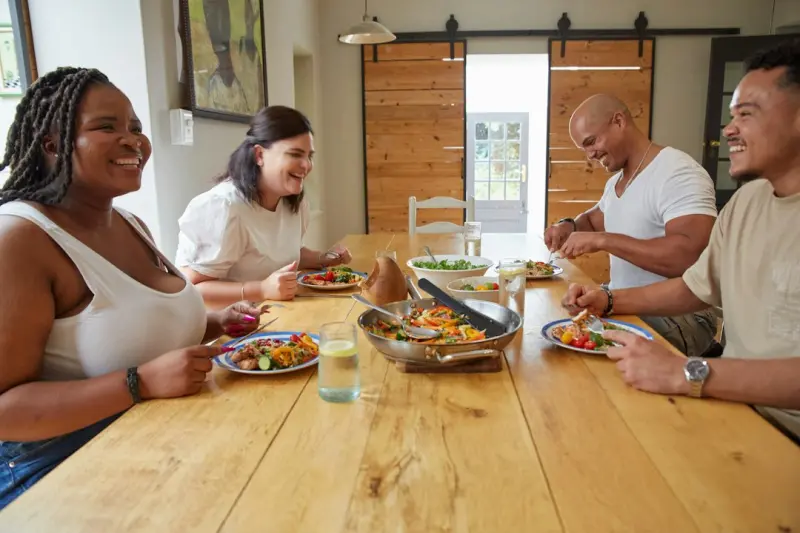
Cultivating Community: How Shared Meals Fight Prediabetes
Discover how turning meals into social events can improve insulin sensitivity, reduce stress hormone... Read More

Stacking Small Wins to Outsmart Prediabetes
Learn how tiny, purposeful habit stacks—from coffee tweaks to five‑minute walks—can quietly sh... Read More

Micro‑Momentum: Tiny Breath and Habit Tweaks to Defeat Prediabetes
Learn how simple three‑minute breath, stretch, and water‑sipping habits, combined with data‑dr... Read More
Top Posts
Transforming Autoimmune Challenges into Strategic Advantages
This article reveals a fresh, data‑driven approach to managing autoimmune disease, showing how personalized nutrition, flexible work environments, and savvy u...Read More
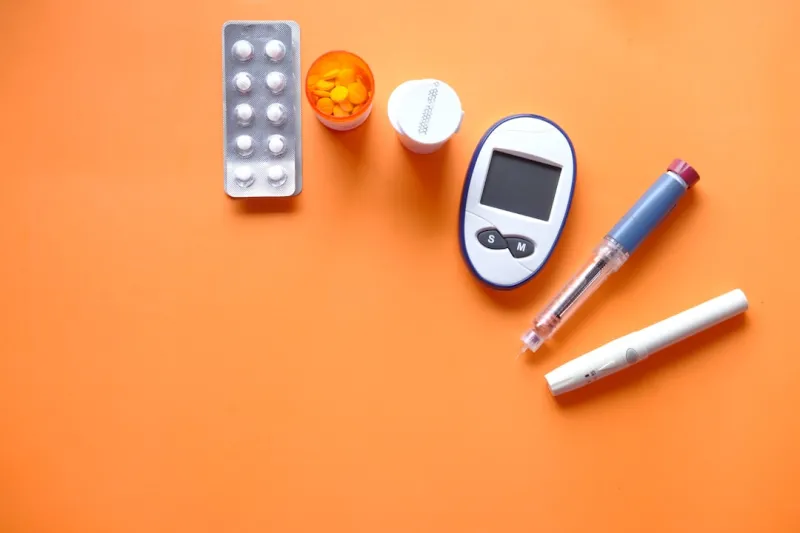
Managing Blood Sugar Levels: A Holistic Approach to Wellness
Learn how to manage blood sugar levels through a holistic approach, incorporating nutrition, physical activity, stress management, and mind-body therapies for o...Read More

The AI Revolution in Vaping: Flavor, Safety, and Workplace Culture
Artificial intelligence is redefining vaping, delivering custom flavors, predictive safety, and workplace‑friendly policies that align with modern wellness go...Read More

The Narcoleptic Edge: Turning Sudden Sleep Into Creative Gold
Learn to transform involuntary sleep attacks into powerful creative insights with a practical toolkit that includes instant note‑taking, biofeedback tracking,...Read More
0 Comments
Post Comment
You will need to Login or Register to comment on this post!