
Rediscovering Roots: How Heritage Cooking Can Rewrite the Prediabetes Story
When I first heard the word “prediabetes” whispered in my doctor’s office, my mind instantly jumped to spreadsheets, blood‑sugar graphs, and a laundry list of “do‑not‑eat” warnings. I imagined a kitchen stripped of flavor, a life reduced to counting carbs like I was tallying points in a game. But the truth, as I’ve learned through years of coaching and personal trial, is far richer—and far more delicious.
What if the path out of prediabetes isn’t about erasing your culinary heritage, but about re‑imagining it? What if the very dishes that once gathered your grandparents around a table can become the foundation of a blood‑sugar‑friendly lifestyle? This article is an invitation to dig into the pantry of culture, to honor the stories on our plates, and to transform those narratives into tools for metabolic health.
The Myth of “Diet” vs. the Reality of “Culture”
Most mainstream advice treats prediabetes like a math problem: subtract this, add that, keep the total under a certain number. That approach works in the short term, but it often forgets the why behind every bite. Food is not merely fuel; it’s memory, identity, and community. When we tell someone to abandon their beloved tamales, dal, or sourdough, we’re not just asking them to change a habit—we’re asking them to silence a part of themselves.
My own journey began when I tried to “go low‑carb” for a month. I swapped my cherished Sunday roast for a bland chicken‑and‑broccoli plate and felt the weight of every missed aroma. The result? A short‑lived dip in glucose spikes, followed by a crash that left me yearning for the comfort of my family’s kitchen. The lesson? Sustainable change requires a bridge, not a wall.
Three Pillars for a Heritage‑First Prediabetes Plan
- Identify the Core Elements – Every traditional recipe has a trio of foundations: starch, protein, and flavor boosters (spices, herbs, aromatics). By pinpointing which component drives the glycemic load, you can make targeted swaps without losing the soul of the dish.
- Swap, Don’t Delete – Replace, rather than remove. Swap white rice for a blend of quinoa‑cauliflower rice, use lentils in place of ground meat, or introduce ancient grains like teff that carry a lower glycemic index while retaining texture.
- Re‑Season with Intention – Harness the power of spices, acids, and healthy fats to create depth. Cinnamon, fenugreek, and vinegar can blunt glucose spikes, while avocado oil or olive oil adds satiety and heart‑healthy monounsaturated fats.
Case Study: Reinventing a Classic—The Mexican Mole
Mole is a symphony of chilies, nuts, chocolate, and spices, traditionally served over white rice and pork. Let’s break it down:
- Starch: White rice—high glycemic.
- Protein: Pork—lean if trimmed, but often accompanied by fatty cuts.
- Flavor Base: Chili, chocolate, nuts—nutrient dense.
Here’s a heritage‑friendly remix:
- Base: Swap white rice for a 50/50 blend of brown rice and cauliflower rice. The cauliflower adds fiber, reduces the overall glycemic impact, and keeps the mole’s texture lively.
- Protein: Use skinless chicken thigh, marinated in lime and oregano, then seared. Chicken provides lean protein while still honoring the dish’s smoky notes.
- Flavor Base: Keep the mole sauce largely unchanged—its complex spice profile is a metabolic ally. Add a pinch of ground cinnamon and a splash of apple cider vinegar to further blunt post‑meal glucose spikes.
The result? A plate that looks and tastes like the original, but with a 30% lower glycemic load. And because the sauce is still rich in antioxidants from chocolate and chilies, you’re gaining anti‑inflammatory benefits—perfect for anyone navigating prediabetes.
Beyond the Plate: Community as a Metabolic Ally
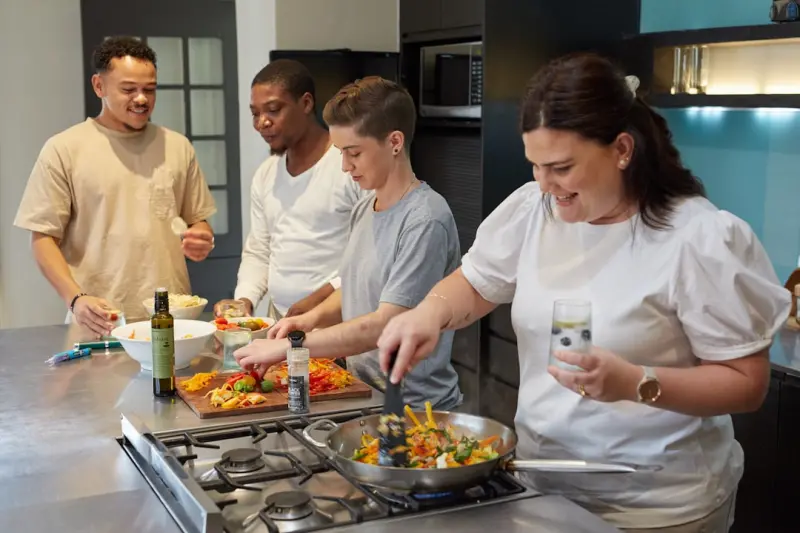
Re‑imagining heritage recipes isn’t a solo mission. It thrives when you bring family, friends, or community groups into the kitchen. Consider starting a “Heritage Health Night” where each participant prepares a favorite dish, then the group collaborates on low‑glycemic tweaks. The shared experience builds accountability, sparks conversation, and turns the kitchen into a support hub.
In one of my recent workshops, a participant from a South‑Asian background introduced us to sarson da saag. Together we experimented with chickpea flour (besan) instead of traditional ghee‑laden butter, and added a handful of ground flaxseed to boost omega‑3s. The group loved the new flavor, and the participant reported a noticeable steadier energy curve the next day. It’s moments like these that prove culture and health can co‑evolve.
Tools for Tracking Without Obsessing
While we’re championing cultural immersion, data still has its place. A gentle, non‑invasive way to stay aware of your body’s response is to use a compassionate roadmap for living with prediabetes. Instead of obsessively checking every reading, set a simple routine: a quick fasting glucose check each morning, paired with a brief log of what you ate for dinner. Over weeks, patterns emerge, letting you fine‑tune recipes without the stress of constant number‑watching.
If you thrive on motivation through play, consider a lighthearted approach like gamify your glucose. Turn weekly cooking challenges into point systems—extra points for using a new ancient grain, for swapping a refined carb, or for involving a loved one in the process. The goal isn’t competition; it’s to keep the journey fresh and fun.
Spicing Up Blood Sugar Management
Spices are the unsung heroes of metabolic health. Here are five pantry staples that deserve a starring role in your heritage dishes:
- Cinnamon – Lowers post‑meal glucose spikes by enhancing insulin sensitivity. Add to oatmeal, rice puddings, or even a mole sauce.
- Fenugreek Seeds – Rich in soluble fiber; they can be steeped in water for a tea or ground into a flour for breads.
- Turmeric – Anti‑inflammatory and may improve beta‑cell function. Pair with black pepper to boost absorption.
- Apple Cider Vinegar – A tablespoon before meals can reduce the glycemic impact of carbs.
- Garlic – Improves insulin signaling and adds depth to any savory dish.
Integrating these spices into your cultural recipes not only honors tradition (many cuisines already rely heavily on them) but also subtly supports glucose regulation.
Meal Planning Blueprint: A Week of Heritage‑Friendly Dinners
Below is a sample menu that balances variety, flavor, and glucose‑friendly choices. Feel free to swap proteins or grains based on your personal preferences and cultural background.
| Day | Dish | Key Swap | Flavor Boost |
|---|---|---|---|
| Monday | Greek Chicken Souvlaki with Tzatziki | Serve over roasted cauliflower “rice” instead of pita | Add a pinch of smoked paprika to the chicken |
| Tuesday | Indian Dal with Spinach | Use red lentils (lower GI) and add ground flaxseed | Finish with fresh cilantro and a drizzle of ghee‑free mustard seed tempering |
| Wednesday | Mexican Mole Chicken (recipe above) | Cauliflower‑brown rice blend, chicken thigh | Cinnamon & apple cider vinegar in the sauce |
| Thursday | Japanese Miso‑Glazed Salmon | Serve with shirataki noodles instead of white rice | Top with toasted sesame seeds and a splash of yuzu juice |
| Friday | Moroccan Tagine with Chickpeas | Swap couscous for quinoa, add extra carrots | Use ras el hanout spice blend + a dash of preserved lemon |
| Saturday | Italian Eggplant Parmesan | Replace breadcrumb coating with almond flour | Layer with fresh basil, a pinch of nutmeg in the tomato sauce |
| Sunday | Vietnamese Fresh Spring Rolls | Use rice‑paper wrappers (moderate carbs) but fill with plenty of herbs, lettuce, and shrimp | Peanut‑lime dipping sauce with a hint of ginger |
Notice the pattern: each dish retains its cultural essence, yet incorporates a conscious carbohydrate swap, added fiber, or a metabolic‑friendly spice. Over a week, the cumulative effect on blood sugar is profound, while your taste buds stay thrilled.
Listening to Your Body: The Feedback Loop
Even with the best recipes, individual responses vary. Here’s a simple three‑step feedback loop you can adopt:
- Pre‑Meal Check – Note your fasting glucose or how you feel (energy, hunger).
- Post‑Meal Reflection – 90 minutes after eating, record any spikes in energy, cravings, or actual glucose readings if you monitor.
- Adjustment – If a dish caused a noticeable dip or surge, tweak the next iteration: add more protein, increase fiber, or adjust spices.
Over time, you’ll develop an intuitive sense for which heritage modifications work best for your unique metabolism.
Closing Thoughts: Your Kitchen, Your Narrative
Prediabetes doesn’t have to be a sentence—it can be a catalyst for deeper connection with your roots and a more mindful relationship with food. By honoring the stories on our plates, swapping smartly, and leaning on community, we rewrite the narrative from “restriction” to “re‑creation.”
So next time you reach for that beloved family recipe, pause. Ask yourself: How can I keep the heart of this dish while giving my blood sugar a smoother ride? The answer is often just a grain here, a spice there, and a shared laugh around the table.
Remember, you’re not alone on this path. The tools, the community, and the flavors are all waiting—ready to transform prediabetes from a warning sign into a celebration of heritage, health, and hope.

Nikki McDonald is a freelancer based in Waterloo. She brings her skills and expertise to various projects, balancing her professional work with a personal life that includes her husband, Stewart.
Related Posts
From Prediabetes to Balance: My Holistic Roadmap
A candid, step‑by‑step account of how I transformed prediabetes into balanced health using diet,... Read More
Reimagining Everyday Choices: A Fresh Take on Prediabetes Prevention
A practical guide that blends mindset shifts, culinary creativity, smart movement, and subtle data u... Read More
Micro‑Movement Moments: A Fresh Approach to Reversing Prediabetes
Learn how brief, intentional bursts of activity throughout the day can stabilize blood sugar, improv... Read More
Top Posts

The Clockwork of Calm: Re‑Engineering Your Evening to Defeat Insomnia
A step‑by‑step guide to designing a personalized evening routine that aligns light, temperature, movement, and sound, helping the body’s internal clock si...Read More

Game On: Turning Prediabetes Prevention into a Fun, Competitive Journey
Learn how to turn prediabetes prevention into an interactive game with clear goals, real‑time feedback, and rewarding social challenges, using wearables and s...Read More
The Gig Economy’s Hidden Health‑Insurance Challenge and How to Solve It
Freelancers face a unique health‑insurance dilemma—static plans that don’t match their fluctuating income, geography, or risk. This article reveals how on...Read More

The Gut‑Brain Edge: How Microbial Balance Boosts Professional Performance
A deep dive into the gut‑brain connection reveals practical, office‑friendly strategies that turn your microbiome into a secret weapon for sharper focus, st...Read More
0 Comments
Post Comment
You will need to Login or Register to comment on this post!