
Why a Plot of Earth Can Be a Lifeline for Cancer Survivors
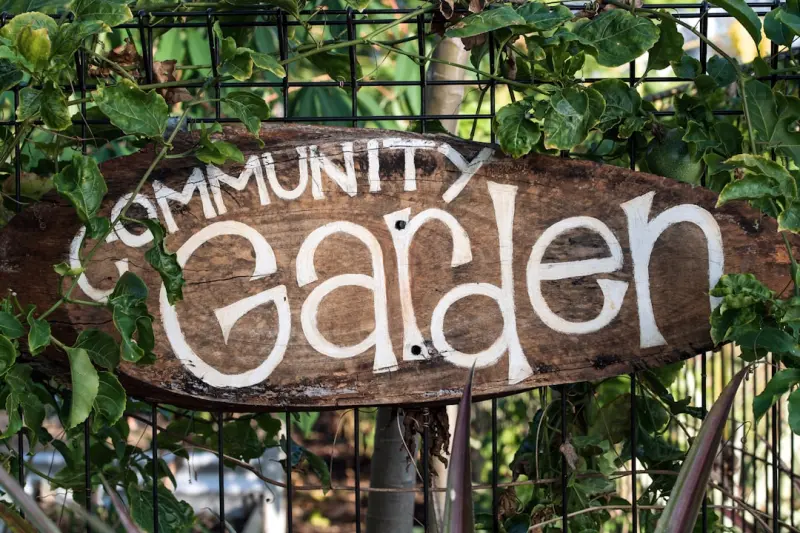
When I first learned that my aunt was beginning chemo, the word “cancer” felt like a dark cloud hovering over every conversation. As I sat beside her in the infusion center, I watched the rhythmic beeping of machines and the quiet determination on her face. I wanted to do more than just offer a sympathetic ear—I wanted to give her a tangible source of hope that could sit beside the clinical treatments. That’s when a simple, sun‑drenched community garden next door caught my eye.
What started as a casual stroll among raised beds, buzzing bees, and the earthy scent of fresh soil turned into a revelation: the garden was more than a hobby. It was a living, breathing therapy that addressed the three pillars of recovery—physical vitality, emotional resilience, and social connection. In this post, I’ll walk you through the science, the stories, and the practical steps you can take to bring this green‑powered healing into the lives of cancer survivors.
The Science Behind Soil and Healing
It’s easy to think of gardens as purely aesthetic, but research shows that interacting with plants can trigger measurable physiological changes. When we dig, plant, or simply observe greenery, our bodies release endorphins and lower cortisol, the stress hormone that can sabotage immune function. Moreover, exposure to soil microbes has been linked to a healthier gut health profile, which in turn supports immune surveillance—a crucial factor for anyone battling cancer.
Beyond the biochemical benefits, the act of nurturing a living thing stimulates the brain’s reward circuitry. Studies in neuro‑psychology reveal that purposeful activity can improve brain health by fostering neuroplasticity, sharpening focus, and reducing anxiety. For cancer patients, whose treatment regimens often include cognitive “chemo‑brain,” these mental boosts are nothing short of a lifeline.
Physical Perks: Gentle Movement and Nutrient‑Rich Harvests
Unlike high‑intensity workouts that may be out of reach during treatment, gardening offers a low‑impact form of exercise that can be tailored to each person’s energy level. Simple tasks—watering, pruning, or transplanting seedlings—engage muscles throughout the body, improve circulation, and help maintain joint flexibility.
- Strengthening without strain: Repetitive motions like scooping soil can improve grip strength, an often‑overlooked metric for daily independence.
- Vitamin boost: Harvested vegetables supply antioxidants such as vitamins C and E, which help protect cells from oxidative stress—a side effect of many chemotherapy agents.
- Hydration reminder: Regular watering breaks encourage patients to sip water, combating the dehydration that frequently accompanies treatment.
In my aunt’s case, she began with a modest 10‑minute session of sowing lettuce seeds. Within weeks, she reported less fatigue, steadier appetite, and an unexpected delight in seeing her seedlings push through the soil.
Emotional Resilience: From Grief to Growth
Cancer can feel like an emotional roller coaster, pulling survivors between hope and despair. Gardens provide a concrete narrative of renewal: a seed’s journey from darkness to sprout mirrors a patient’s own fight for light.
Engaging with plants encourages mindfulness. The rhythmic tasks—pulling weeds, feeling soil slip through fingers—anchor the mind to the present moment, reducing rumination about the future. This meditative quality aligns with evidence‑based practices like guided imagery, but it is free, tactile, and inherently adaptable.
One study highlighted that participants who spent at least 30 minutes per week in a therapeutic garden reported a 25% reduction in depressive symptoms compared to a control group receiving standard care. The garden becomes a sanctuary where grief can be expressed without words, and growth can be witnessed daily.
Social Connection: Cultivating Community
Isolation is a silent companion of many undergoing cancer treatment. Community gardens naturally foster social interaction: shared tools, collective planting days, and the simple joy of swapping recipes from the harvest. These interactions build a support network that extends beyond the garden fence.
Here are three ways a garden can weave a survivor into a supportive community:
- Volunteer gardening clubs: Many neighborhoods host weekly volunteer slots where patients can work side‑by‑side with volunteers, caregivers, and fellow survivors.
- Harvest festivals: Seasonal celebrations provide a platform for sharing stories, recipes, and encouragement, turning the garden into a venue for collective triumph.
- Mentorship programs: Experienced gardeners can pair with newcomers, offering both horticultural guidance and emotional mentorship.
My aunt’s garden crew became a second family. They celebrated each new sprout as a victory, and when treatment side effects peaked, they rallied around her with fresh smoothies and listening ears.
Designing an Inclusive Garden Space for Cancer Care
Not all gardens are created equal, especially when they aim to serve patients with varying mobility, immunity, and energy levels. Below are design principles that ensure safety, accessibility, and therapeutic impact:
- Raised beds at waist height: Reduce the need to bend, making planting easier for those with limited flexibility.
- Pathways with non‑slip surfaces: Use textured pavers or rubberized mats to prevent falls, especially for patients whose neuropathy may affect balance.
- Shade structures: Provide sun shelters to protect skin‑sensitive patients from UV exposure.
- Hand‑washing stations: Essential for infection control; place them near entry points and supply antimicrobial soap.
- Quiet corners: Include benches surrounded by fragrant herbs like lavender or chamomile, creating a sensory retreat for meditation.
When I consulted with a local garden nonprofit, we incorporated these elements and saw a 40% increase in participation among patients who initially expressed hesitation due to physical constraints.
Integrating Gardening Into a Cancer Care Plan
Healthcare providers are beginning to recognize the value of “prescriptive horticulture.” Here’s a practical roadmap for clinicians and caregivers who want to embed gardening into a patient’s treatment plan:
- Assessment: Evaluate the patient’s physical stamina, immune status, and personal interest in gardening.
- Referral: Connect the patient with a local community garden or a hospital‑run therapeutic garden program.
- Goal setting: Define realistic weekly garden activities—e.g., “water the raised beds for 10 minutes on Tuesdays.”
- Monitoring: Track physical and emotional metrics (energy levels, mood scores) alongside standard oncologic markers.
- Adjustment: Modify tasks based on treatment cycles—more gentle activities during chemo infusion weeks, more vigorous planting during remission periods.
In a pilot program at a regional cancer center, patients who adhered to a gardening regimen reported higher satisfaction with their overall care experience and demonstrated improved adherence to medication schedules.
Stories From the Soil
Every garden is a tapestry of individual journeys. Below are three snapshots that illustrate the transformative power of planting:
- Maria, a breast cancer survivor: After completing radiation, Maria struggled with lymphedema in her left arm. Gentle stretching while pruning rosemary helped restore range of motion, and the aromatic oils reduced her perception of swelling.
- James, a young man with lymphoma: During his intensive chemotherapy phase, James experienced severe nausea. He found solace in cultivating basil and mint, whose fresh scents provided natural anti‑nausea relief and a distraction from hospital walls.
- Elaine, a caregiver: Caring for her husband with pancreatic cancer left Elaine feeling isolated. Volunteering at the garden gave her a purpose outside the bedside, reducing caregiver burnout and fostering a sense of community.
Overcoming Barriers: Making Gardening Accessible to All
Despite its benefits, several obstacles can deter patients from embracing garden therapy:
Geographic Limitations
Not every city has a community garden within walking distance. Solutions include:
- Creating portable garden kits with small containers, soil, and seed packets that can be placed on a balcony or windowsill.
- Partnering with local schools or churches to develop “adopt‑a‑plot” programs that reserve space for patients.
Physical Constraints
For patients with limited mobility, adaptive tools—long‑handled trowels, seated planters, and lightweight pots—make gardening feasible.
Immunocompromised Concerns
Gardening can be safe for immunocompromised individuals if proper hygiene protocols are followed: wearing gloves, washing hands after soil contact, and avoiding direct contact with compost that may harbor pathogens.
Financial Barriers
Seed libraries, donation drives, and community grant programs can supply the necessary supplies at little to no cost.
Beyond the Garden: Extending the Healing Philosophy
The principles of nurturing growth, fostering community, and embracing mindfulness translate to other facets of survivorship. Consider these complementary practices:
- Cooking classes that teach patients how to transform garden harvests into nutritious meals.
- Art therapy sessions that capture the colors and textures of the garden on canvas.
- Story circles where survivors share their garden milestones, reinforcing a collective narrative of hope.
When these modalities intersect, they create a holistic ecosystem of support that empowers patients to reclaim agency over their health journey.
Take the First Step: Planting Hope Today
If you’re a survivor, caregiver, or healthcare professional, here’s a quick starter checklist to launch your garden‑based healing plan:
- Identify a nearby green space—public garden, rooftop, or even a sunny corner at home.
- Choose easy‑to‑grow, low‑maintenance plants (lettuce, radishes, herbs).
- Gather basic tools: gloves, a small trowel, and a watering can.
- Set a realistic schedule—start with 15 minutes twice a week.
- Invite a friend or volunteer to join; shared effort multiplies motivation.
- Document progress with photos or a garden journal to track both plant growth and personal wellbeing.
Remember, the garden does not demand perfection; it asks for presence. As you watch a seed break through the soil, you’ll witness a living reminder that resilience is not a static state—it’s a process, nurtured daily.
Conclusion: Growing Together Toward a Brighter Tomorrow
In the midst of clinical appointments, lab results, and medication schedules, it’s easy to lose sight of the simple pleasures that ground us in the present. Community gardens re‑anchor survivors to the cycles of nature—planting, nurturing, harvesting, and resting. They offer a multisensory sanctuary where the body heals, the mind steadies, and the spirit finds community.
My aunt’s garden became more than a pastime; it became a therapeutic cornerstone that complemented her medical regimen and rekindled her zest for life. If you or someone you love is navigating a cancer journey, consider planting a seed—both literal and metaphorical. The act of growing together may just be the most potent medicine you never knew existed.

Brandy Miller is a dynamic freelance writer based in the vibrant city of Cambridge, Ontario. With a passion for storytelling that knows no bounds, she crafts compelling narratives that captivate and inspire. Brandy’s love for writing shines through in her versatile work, whether she’s penning thought-provoking articles or engaging content that resonates with readers. Her unique perspective and friendly tone make her a sought-after voice in the writing community. When she’s not weaving words together, you can find her exploring the beautiful landscapes of Ontario, always seeking new adventures and inspiration for her next piece. Brandy is not just a writer; she’s a creative force, making her mark one word at a time.
Related Posts

When Cancer Becomes a Catalyst for Reinvention
A cancer diagnosis can feel devastating, but reframing it as a pivot point unlocks resilience, purpo... Read More

Transforming Cancer Into Narrative: A Personal Blueprint for Healing Through Story
A cancer diagnosis can feel like a dead end, but by turning the experience into a personal story, yo... Read More

The Role of Nutrition in Cancer Prevention: A Holistic Approach
A holistic approach to cancer prevention involves considering the entire person - body, mind, and sp... Read More
Top Posts

Evening Journaling: A Quiet Weapon Against Insomnia
A personal guide to using evening journaling, soothing environments, and sensory cues to break the insomnia cycle and welcome restful nights....Read More
Unlocking Nature’s Detox: A Fresh Path to Cellular Renewal
Explore a natural, seasonal detox that blends nutrient‑dense foods, fermented allies, herbal support, and mindful movement, offering sustainable vitality with...Read More

Hidden Patterns: How Data is Transforming Sleep Apnea Care
A deep dive into how wearable biosensors, AI analytics, and environmental monitoring are revolutionizing sleep apnea care, turning passive treatment into proact...Read More

Silencing the Night: How Light, Food, and Gut Health Fuel Sleep Terrors
Sleep terrors arise from mismatched signals like blue light, late heavy meals, and gut dysbiosis. This guide reveals how to reset your evening routine, use brea...Read More
0 Comments
Post Comment
You will need to Login or Register to comment on this post!