
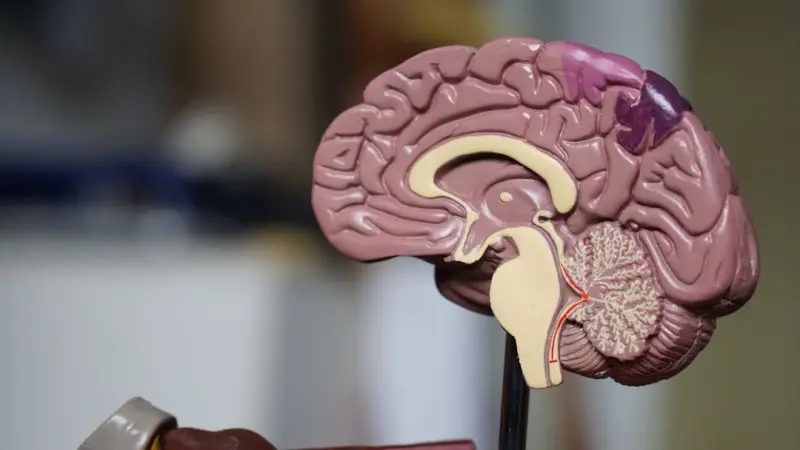
Neural Nutrition: Structuring Your Digital Day for Brain Longevity
When I first stepped into a corporate office that resembled a data center more than a workplace, I realized that our brains were being treated like outdated hardware—plugged in, overloaded, and never given a chance to cool down. The result? A collective fog, a dip in creative output, and a silent erosion of cognitive resilience. Over the past few years, I’ve been experimenting with a concept I call Neural Nutrition: the deliberate feeding of our brain’s most valuable asset—attention—through the design of our digital environment.
Unlike the well‑trodden paths of physical exercise or dietary tweaks, Neural Nutrition asks a different question: What does the brain need to thrive when it spends the majority of its waking hours interfacing with screens, notifications, and endless streams of information? The answer lies not just in what we consume, but in how we schedule, segment, and protect those consumption windows.
The Hidden Cost of Unfiltered Information Flow
Every ping, pop‑up, and unread badge is a micro‑stimulus that competes for limited neural bandwidth. Neuroscientists tell us that the prefrontal cortex—our executive hub—operates like a limited‑capacity processor. When it’s forced to juggle too many threads, the brain defaults to shortcuts: pattern‑based thinking, reduced novelty detection, and eventually, decision fatigue.
What’s striking is how little we discuss the architectural side of this problem. We talk about “digital detox” as a blanket solution, but rarely address the underlying structure that forces us into a constant state of partial attention. Think of it as trying to read a novel while the TV blares in the background; you’ll retain fragments, not the story.
Designing Attention‑Friendly Workflows
Here’s where the practical side of Neural Nutrition comes in. By reshaping the flow of information, you give the brain room to engage in deep, restorative processing. Below are three pillars that have transformed my own work rhythm and, according to early adopters, their teams’ cognitive stamina.
- Batching Cognitive Load: Group similar tasks (e.g., email triage, data analysis, creative brainstorming) into dedicated time blocks. This reduces the constant context‑switching that taxes the dorsolateral prefrontal cortex.
- Digital Sunlight: Just as plants need natural light, our brains need periods of low‑stimulus exposure. Implement “screen‑off” windows—15‑minute intervals where you step away from all devices, allowing the default mode network to reset.
- Intentional Notification Management: Treat notifications as ingredients in a recipe. Only the essential ones (e.g., urgent client messages) stay on; the rest are muted or redirected to a daily digest.
When you combine these pillars, you’re essentially constructing a cognitive diet that feeds the brain the right amount of stimulation at the right time.
Micro‑Movements for the Brain: A Parallel to Physical Health
Physical micro‑movements—tiny stretches or posture checks—have been championed for their impact on musculoskeletal health. The same principle applies neurologically. Short, purposeful mental pauses—often called “cognitive micro‑breaks”—allow for synaptic consolidation. During these breaks, the brain can replay recent experiences, strengthening memory traces.
In practice, set a timer for every 90 minutes of focused work. When it rings, stand, stretch, and then close your eyes for 30 seconds, visualizing the key takeaways of the session. This simple habit can dramatically improve recall and creative insight.
For those who love data‑driven approaches, consider logging these micro‑breaks in a habit tracker. Over weeks, you’ll notice a correlation between break consistency and a measurable uptick in problem‑solving speed.
Auditory Enrichment: Sound as Neural Fuel
While many focus on visual ergonomics, auditory environments are often overlooked. Certain soundscapes—like low‑frequency binaural beats or natural ambient noises—can entrain brainwave patterns associated with focus (beta) or relaxation (alpha). Experimenting with a soft forest soundscape during deep work sessions has helped me sustain concentration for longer stretches without the typical crash.
Key guidelines:
- Keep volume low enough to avoid startle responses.
- Prefer continuous, non‑lyrical audio to prevent lyrical interference with language processing regions.
- Use a timer to switch back to silence or a different soundscape, ensuring the brain doesn’t adapt and lose responsiveness.
Nutrition Meets Neural Architecture
Physical nutrition and neural performance are inseparable. Foods rich in omega‑3 fatty acids, flavonoids, and antioxidants provide the building blocks for synaptic plasticity. However, the timing of nutrient intake can be just as crucial as the content.
Consider aligning your most demanding cognitive tasks with a nutrient‑rich meal that includes a balance of complex carbs, healthy fats, and protein. This stabilizes glucose delivery to the brain, preventing the energy dips that often manifest as “brain fog.”
Additionally, staying hydrated—aiming for at least 2 liters of water daily—supports the cerebrospinal fluid that clears metabolic waste, a process that ramps up during deep sleep but also benefits waking cognition.
Leveraging Physical Activity Without Leaving the Desk
Exercise doesn’t have to mean a 30‑minute gym session. Even subtle movements like seated leg extensions or desk‑side calf raises increase blood flow to the brain, delivering oxygen and nutrients essential for neurogenesis. The key is consistency. Pair a quick movement set with a mental pause—your brain gets a double dose of rejuvenation.
If you’re curious about integrating movement with leadership, take a look at Movement‑Driven Leadership. The principles translate well to any role that requires sustained mental acuity.
Measuring the Impact: Data‑Backed Brain Health
One of the biggest challenges in adopting new habits is proving their value. Fortunately, modern tools make it easier to quantify cognitive performance. Apps that track focus duration, error rates, and even heart‑rate variability (HRV) can serve as proxies for brain stress levels.
Start simple:
- Log the number of deep‑work blocks you complete each week.
- Track self‑reported clarity on a 1‑10 scale before and after implementing micro‑breaks.
- Measure output quality—be it code quality, report accuracy, or creative idea count.
Over a month, you’ll likely see a trend toward higher scores, reinforcing the Neural Nutrition framework.
Future‑Proofing Your Brain in a Hyper‑Digital World
The digital landscape will only become more immersive, with AI assistants, augmented reality, and continuous connectivity becoming the norm. By mastering Neural Nutrition now, you’ll equip your brain with the resilience to navigate these changes without succumbing to cognitive overload.
In short, treat your brain the way you would a high‑performance engine: feed it the right fuel, give it scheduled maintenance, and protect it from unnecessary strain. When you do, you’ll not only boost productivity—you’ll safeguard the very organ that fuels every aspect of your professional and personal life.

Lifan Chen is a freelancer based in Toronto specializing in marketing. With expertise in crafting effective marketing strategies and campaigns, Lifan helps businesses grow their brand presence and reach target audiences. As a Toronto-based freelancer, Lifan combines local market insights with creative marketing skills to deliver tailored solutions for clients.
Related Posts

Rewiring Your Brain with Playful Crafting
Explore how simple crafts like knitting, model building, and pottery engage multiple brain regions, ... Read More

Sensory Enrichment: Simple Home Practices to Boost Neuroplasticity
Explore how light, sound, touch, and movement can be transformed into daily brain‑boosting rituals... Read More
Designing Spaces that Boost Brain Power
A strategic workspace shapes cognition: learn to harness sound, lighting, color, aroma, posture, and... Read More
Top Posts

Rethinking Liver Health: The Microbiome‑Liver Connection and Digital Tools
Discover how a thriving microbiome, smart eating windows, and wearable insights can transform liver health, offering practical steps and future tech predictions...Read More

The Complex World of Autoimmune Diseases
Autoimmune diseases occur when the body's immune system mistakenly attacks healthy tissues and organs. Learn about the causes, symptoms, and treatment options f...Read More

Food Freedom Over Fear: A New Path to Healing Disordered Eating
Discover a novel strategy for eating disorder recovery that moves beyond numbers, emphasizing food freedom, sensory mindfulness, and community support to rebuil...Read More

Beyond Detox: Science‑Backed Strategies to Strengthen Your Liver
Explore proven liver‑support tactics—from nutrient timing and gut health to herbal allies and sleep hygiene—offering a realistic roadmap that goes beyond ...Read More
0 Comments
Post Comment
You will need to Login or Register to comment on this post!