
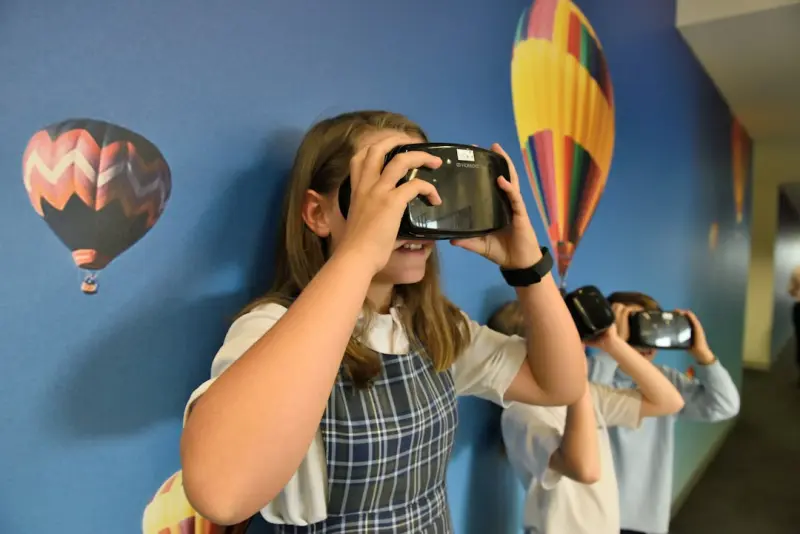
Stepping Into the Virtual Garden: How VR Is Redefining Senior Well‑Being
When I first slipped on a lightweight headset during a tech expo, the world around me dissolved into a sun‑dappled meadow. I could hear the distant chirp of birds, feel the breeze on my virtual face, and even see a gentle stream ripple under my gaze. It was more than a novelty; it was a reminder that the senses we cherish in old age—sight, sound, touch—can be sparked anew through immersive technology. As someone who has spent decades at the intersection of health research and emerging tech, I’ve come to believe that virtual reality (VR) is poised to become a cornerstone of senior health, not just a fleeting gadget.
Why Seniors Are the Perfect Audience for VR
Age brings a wealth of experience, but it also brings challenges: reduced mobility, social isolation, and a gradual decline in certain cognitive functions. Traditional interventions—exercise classes, group outings, and cognitive puzzles—remain invaluable, yet they can be limited by transportation, weather, or physical ability. VR sidesteps many of these barriers by delivering rich, multi‑sensory experiences directly to the living room.
- Mobility‑free exploration: Seniors can wander through a virtual museum, hike a mountain trail, or stroll along a historic downtown without leaving their chair.
- Social connection: Multi‑user platforms enable family members or fellow seniors to meet in a shared virtual space, fostering conversation and collaboration.
- Cognitive stimulation: Interactive environments demand attention, memory recall, and problem solving, exercising the brain in ways that static activities cannot.
These benefits are not just theoretical. Studies are beginning to show measurable improvements in balance, mood, and even neuroplasticity among older adults who engage with VR regularly.
Designing VR Experiences That Honor the Senior Mind
Creating an effective VR experience for seniors is about more than flashy graphics. It requires an understanding of how aging brains process information and a commitment to accessibility.
1. Simplicity Over Spectacle
Complex controls can be daunting. Interfaces that rely on simple gestures—like pointing and selecting with a single hand—reduce cognitive load. Voice commands further streamline interaction, letting users focus on the experience rather than the hardware.
2. Gentle Navigation
Fast, disorienting motion can cause motion sickness, especially in older users whose vestibular systems are more sensitive. Slow panning, teleportation shortcuts, and optional “comfort modes” that reduce peripheral movement keep the experience pleasant.
3. Multi‑Sensory Integration
Adding ambient sounds, subtle haptic feedback, and even scent modules (when possible) deepens immersion. You might remember the power of music in seniors' emotional health; coupling visual scenes with tailored soundscapes amplifies the therapeutic impact.
4. Meaningful Content
Activities should resonate with personal histories. A virtual recreation of a hometown, a walk through a favorite historic period, or a guided garden that mirrors a participant’s past can evoke cherished memories, reinforcing identity and emotional well‑being.
Three VR Pathways to Better Health
Below are three distinct ways seniors can integrate VR into their daily routine, each targeting a different pillar of health.
A. Cognitive Fitness: The Virtual Puzzle Garden
Imagine a tranquil garden where each flower represents a memory cue. To “grow” a bloom, the user must answer a question, match patterns, or solve a simple riddle. Over time, the difficulty adjusts to the user’s performance, ensuring a balance between challenge and success.
- Memory reinforcement: Repeated exposure to familiar objects and words strengthens recall pathways.
- Executive function: Planning the garden layout and selecting which plants to nurture engages decision‑making skills.
- Neuroplasticity: New neural connections form as the brain adapts to novel, immersive tasks.
Researchers have observed that regular engagement with such interactive environments can slow the progression of mild cognitive impairment, offering a non‑pharmacological supplement to traditional therapies.
B. Physical Wellness: Guided Virtual Walks
For seniors with limited mobility, a virtual stroll can still provide cardiovascular benefits. Paired with a lightweight treadmill or even just seated leg lifts, the visual cue of moving through a forest or along a beach encourages the body to mimic the motion.
- Balance training: Visual flow helps the brain coordinate proprioceptive signals, improving steadiness.
- Muscle activation: Even low‑impact leg movements stimulate circulation and maintain muscle tone.
- Motivation boost: Seeing a beautiful horizon can make a five‑minute routine feel like an adventure.
Integrating these walks with data from wearable sensors—an area explored by the digital rehab revolution—allows clinicians to monitor progress remotely and adjust programs in real time.
C. Emotional Resilience: Virtual Story Circles
Storytelling has long been a therapeutic tool. In VR, a circle of avatars can gather around a virtual campfire, each participant sharing a memory or a hopeful vision for the future. The shared visual space creates intimacy without the logistical hurdles of travel.
- Social bonding: Seeing faces (or avatars) react in real time fosters empathy.
- Emotional release: Expressing experiences in a safe, immersive setting can alleviate stress and anxiety.
- Purpose and meaning: Contributing to a collective narrative reinforces a sense of belonging.
These circles can be moderated by caregivers or volunteers trained in active listening, ensuring the environment remains supportive and inclusive.
Practical Tips for Getting Started
For seniors curious about stepping into VR, here are some actionable steps to ensure a smooth transition.
- Choose the right headset: Look for lightweight models with adjustable straps, easy‑to‑use controllers, and a clear field of view. Some devices are designed specifically for older adults, featuring larger icons and simplified menus.
- Start with short sessions: Begin with 5‑10 minute experiences to gauge comfort. Gradually extend the duration as tolerance improves.
- Set up a safe physical space: Clear the area of obstacles, use a sturdy chair, and ensure good lighting to prevent tripping.
- Involve a friend or family member: Having a familiar presence during the first few sessions can reduce anxiety and provide immediate assistance if needed.
- Leverage existing health programs: Many senior centers and assisted living facilities are piloting VR programs. Ask your local community center about upcoming sessions.
Addressing Common Concerns
Is VR safe for older eyes? Modern headsets have adjustable lenses to accommodate various prescriptions, and many include built-in eye‑tracking to reduce strain. However, it’s wise to consult an optometrist if you have significant vision issues.
What about motion sickness? As mentioned, selecting experiences with limited rapid movement and using comfort settings can minimize discomfort. Taking breaks and focusing on a stationary reference point (like a virtual horizon) also helps.
Is it expensive? While high‑end devices can be pricey, the market now offers budget‑friendly options that deliver quality visuals. Additionally, many healthcare insurers are exploring coverage for VR‑based therapeutic programs, recognizing their potential cost‑savings in long‑term care.
The Future Landscape: From Novelty to Necessity
We are at the cusp of a paradigm shift where technology isn’t merely an aid but an integral part of the health ecosystem for seniors. As AI-driven content creation improves, VR experiences will become more personalized, adapting in real time to a user’s emotional state, cognitive performance, and physical capacity. Imagine a virtual garden that subtly changes its colors based on heart‑rate variability, encouraging calm when stress spikes, or a memory game that dynamically introduces new challenges as neural pathways strengthen.
Integration with other digital health tools—such as remote monitoring platforms, nutrition trackers, and tele‑medicine—will create a holistic, data‑rich portrait of senior health. In this future, a caregiver might receive a concise weekly report: “Mrs. Liu completed three 15‑minute garden sessions, showed a 12% improvement in recall tasks, and reported higher mood scores.” Such actionable insights could dramatically reduce the need for reactive interventions, shifting the focus to proactive well‑being.
Conclusion: A Call to Explore the Virtual Frontier
For seniors, the world may feel smaller as mobility and social circles evolve, but technology offers a gateway to infinite horizons. Virtual reality, when thoughtfully designed and compassionately applied, can reignite curiosity, strengthen bodies, and nurture souls. I invite you—whether you’re a senior, a caregiver, or a health professional—to step into this emerging garden of possibilities. The seedlings are already planted; with a little guidance, they can blossom into a vibrant, healthier future for our aging community.

Lifan Chen is a freelancer based in Toronto specializing in marketing. With expertise in crafting effective marketing strategies and campaigns, Lifan helps businesses grow their brand presence and reach target audiences. As a Toronto-based freelancer, Lifan combines local market insights with creative marketing skills to deliver tailored solutions for clients.
Related Posts

Flavorful Memory: How Reviving Family Recipes Boosts Senior Brain and Gut Health
Reviving heritage dishes with gut‑friendly ingredients, supported by wearable tracking, offers sen... Read More
How Smart Pillboxes Are Redefining Senior Independence
Smart pillboxes turn medication management into a confidence‑boosting routine, offering reminders,... Read More

Embracing Vibrant Health After 60: A Holistic Guide for Seniors
A senior’s guide to vibrant health: movement, nutrition, sleep, community, and purpose combine for... Read More
Top Posts

Tiny Mental Breaks: How Micro‑Mindfulness Reshapes Daily Calm
Learn the power of micro‑mindfulness: tiny, intentional pauses paired with movement and soundscapes that build lasting calm and resilience in a busy world....Read More

Turning Cancer Treatment Into a Personal Data Quest
Learn how a data‑centric mindset transforms cancer treatment, from wearables and symptom apps to community insights, giving patients actionable control over t...Read More
Prediabetes Unplugged: Micro‑Movement, Metabolic Reset, and Insurance Hacks
A practical playbook merges frequent low‑intensity movement, strategic fasting, and insurance‑leveraged resources to lower glucose, boost insulin sensitivit...Read More

How Seasonal Food Swaps Can Quietly Rewire Prediabetes
A practical guide to using seasonal produce, mindful cooking, and community support to stabilize blood sugar and reverse prediabetes, featuring actionable swaps...Read More
0 Comments
Post Comment
You will need to Login or Register to comment on this post!