
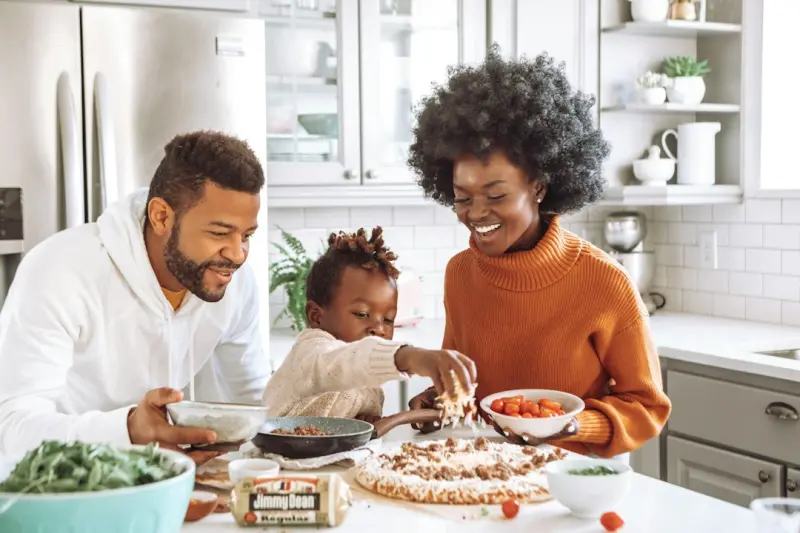
When I was a teenager, my grandmother would summon us to the kitchen with the clatter of pots, the sweet scent of simmering broth, and a story about how her mother once cooked the same dish during a snowstorm in a remote village. Those moments were more than just meals; they were a bridge to heritage, a tactile memory, and an unspoken lesson in resilience. Today, as a senior myself, I’ve realized that those culinary rituals are a hidden prescription for brain health, emotional balance, and social connection. In this post, I’ll walk you through why reviving family recipes can be a powerful strategy for seniors to sharpen cognition, protect the gut, and stay socially vibrant.
Why Food Memories Matter for the Aging Brain
Our brains are wired to remember stories tied to the senses—taste, smell, texture, and sound. When a familiar aroma triggers a recollection, the hippocampus lights up, reinforcing neural pathways that might otherwise dull with age. This phenomenon, known as “flavor-evoked autobiographical memory,” offers a natural, enjoyable way to exercise the brain.
- Engagement of multiple senses: Cooking demands sight, sound, touch, smell, and taste, providing a full‑sensory workout.
- Problem‑solving in real time: Adjusting seasoning, timing, and temperature keeps executive function sharp.
- Emotional reward: Sharing a beloved dish releases dopamine, reinforcing positive mood loops.
In short, the act of cooking isn’t just sustenance—it’s a cognitive gym.
The Science: Gut‑Brain Connection in Seniors
While the nostalgia factor is compelling, the underlying biology is equally fascinating. The gut houses roughly 100 trillion microbes, forming a complex ecosystem that communicates directly with the brain via the vagus nerve, immune signaling, and metabolic by‑products. A healthy gut barrier prevents “leaky gut,” a condition linked to inflammation, cognitive decline, and mood disorders.
For seniors, preserving gut integrity is especially critical. The gut barrier naturally weakens with age, and factors like reduced fiber intake, medications, and chronic stress can exacerbate the problem. Fortunately, there are practical steps to reinforce this barrier.
Our earlier piece Guarding the Gut Barrier: A Practical Blueprint for Whole‑Body Resilience outlines a detailed plan to protect the gut lining. In a nutshell, it emphasizes prebiotic fibers, fermented foods, and polyphenol‑rich ingredients—all of which can be woven into traditional family recipes.
Even more intriguing is the emerging research that suggests a healthy gut can boost creativity and focus, as detailed in Your Gut’s Hidden Superpower: Fuel Creativity, Focus, and Resilience. By feeding our gut the right nutrients, we indirectly feed our mind.
Reviving Family Recipes: A Practical Blueprint
Below is a step‑by‑step framework that any senior (or senior‑friendly caregiver) can follow to transform beloved recipes into brain‑boosting meals.
- Identify a heritage dish: Choose something that carries personal meaning—maybe a chicken soup, a lentil stew, or a spice‑laden rice pilaf.
- Audit the ingredient list: Spot hidden sugars, excessive sodium, or saturated fats that could harm gut health.
- Swap for gut‑friendly alternatives:
- Replace refined white flour with whole‑grain or almond flour.
- Swap heavy cream for Greek yogurt or cashew cream, adding probiotics.
- Introduce fermented veggies (kimchi, sauerkraut) as side dishes or toppings.
- Boost neuroprotective nutrients:
- Omega‑3 fatty acids (wild‑caught salmon, chia seeds) support neuronal membranes.
- Curcumin (turmeric) and rosmarinic acid (rosemary) have anti‑inflammatory properties.
- Polyphenol‑rich berries can be incorporated into sauces or desserts for antioxidant power.
- Document the process: Write down the adjusted recipe, note sensory impressions, and record how you felt after the meal. This journaling habit doubles as a memory aid.
- Share the experience: Invite a neighbor, grandchild, or local community group to cook together. Social interaction magnifies the cognitive benefits.
Flavorful Brain Boosters: Nutrients That Support Cognition
Let’s dive deeper into the specific ingredients that have the strongest evidence for senior brain health.
- Leafy Greens (Spinach, Kale, Collard Greens) – Loaded with vitamin K, lutein, and folate, they support brain cell structure.
- Fatty Fish (Salmon, Mackerel, Sardines) – High in DHA, a crucial omega‑3 fatty acid for synaptic fluidity.
- Nuts & Seeds (Walnuts, Flaxseeds, Pumpkin Seeds) – Provide plant‑based omega‑3s, vitamin E, and antioxidants.
- Legumes (Lentils, Chickpeas, Black Beans) – Offer fiber for gut health and steady glucose, preventing spikes that can impair cognition.
- Spices (Turmeric, Sage, Cinnamon) – Contain bioactive compounds that reduce oxidative stress and inflammation.
- Fermented Foods (Yogurt, Kefir, Miso) – Deliver live cultures that enhance the gut microbiome.
By integrating these items into familiar dishes, you keep meals enjoyable while delivering a neuroprotective cocktail.
Tech Meets Tradition: Using Wearables to Track Nutrient Impact
While the kitchen is a timeless arena, modern seniors can leverage subtle technology to fine‑tune their nutrition. Wearable health trackers now measure heart‑rate variability, sleep quality, and even blood oxygen levels—metrics that correlate with dietary intake.
For example, a senior who incorporates omega‑3‑rich fish into meals may notice improved HRV, a sign of better autonomic balance. Likewise, a reduction in nighttime awakenings could indicate a stabilized gut microbiome.
Our investigation How AI‑Powered Wearables Are Quietly Transforming Sleep Apnea Management highlighted how AI algorithms interpret raw data to suggest lifestyle adjustments. Applying similar analytics to nutrition can help seniors identify which recipes truly lift their mood, cognition, and energy.
Here’s a simple workflow:
- Wear a sleep‑tracking device for at least a week to establish a baseline.
- Introduce a new gut‑friendly recipe on day three.
- Continue tracking sleep, resting heart rate, and daily step count.
- At week’s end, compare metrics. Notice any improvements? That’s your body speaking.
Even a modest device like a wrist‑band can provide enough data to empower seniors to experiment confidently.
Social Spice: Turning Cooking into Community
Isolation is a silent epidemic among older adults, and loneliness has been linked to accelerated cognitive decline. Cooking clubs can transform solitary kitchens into communal hubs. Consider these low‑barrier ideas:
- Intergenerational Potluck: Invite grandchildren or local teens to share a dish. The exchange of stories bridges generational gaps and reinforces memory.
- Virtual Recipe Swap: Use video calls to showcase a family recipe, allowing participants to ask questions in real time.
- Neighborhood “Taste‑of‑Home” Walk‑Through: Host a rotating dinner where each participant prepares a single course from a shared theme (e.g., “Mediterranean Memories”).
These gatherings do more than feed the stomach—they nurture belonging, purpose, and a sense of contribution.
Putting It All Together: A Weekly Plan
Below is a sample seven‑day schedule that blends culinary nostalgia, gut‑friendly tweaks, wearable monitoring, and social interaction. Feel free to adapt it to your preferences and mobility level.
| Day | Meal Focus | Activity |
|---|---|---|
| Monday | Hearty Lentil Soup (family recipe) | Log baseline sleep & HRV with wearable. |
| Tuesday | Grilled Salmon with Turmeric‑Lemon Drizzle | Prep ingredients with grandchild; discuss spice origins. |
| Wednesday | Fermented Cabbage Stir‑Fry | Update journal: taste, mood, energy after dinner. |
| Thursday | Spinach & Walnut Pesto Pasta (whole‑grain) | Review wearable data; note any sleep improvements. |
| Friday | Berry‑Infused Greek Yogurt Parfait | Host a virtual recipe swap with a neighbor. |
| Saturday | Roasted Chicken with Sage & Sweet Potatoes | Attend a local seniors’ cooking club (in‑person or online). |
| Sunday | Family‑Style Rice Pilaf with Mixed Herbs | Reflect on the week’s cognitive and emotional changes; plan next week’s recipes. |
Over time, you’ll likely notice clearer thinking, steadier digestion, and a brighter mood—all measurable in subtle ways.
Final Thoughts: A Recipe for Longevity
When I first re‑created my grandmother’s chicken soup with probiotic‑rich miso and a sprinkle of turmeric, I felt a warmth that went beyond the broth. It was a reminder that the past holds actionable wisdom for the present, especially when we pair it with modern insights about the gut‑brain axis and wearable tech.
So, I invite you to dust off those handwritten recipe cards, add a pinch of science, and share the feast with someone you love. In doing so, you’ll not only preserve family heritage—you’ll nurture a thriving, resilient brain that can continue to savor life’s flavors for years to come.

William Roy is a freelance writer originally from Montreal who moved to Ottawa with his wife of 50 years to be closer to their grandkids. Alongside his writing, William has a passion for fishing.
Related Posts

Finding Calm in the Canopy: Natural Healing for Seniors
Discover the restorative power of forest bathing and sensory gardens for seniors, offering simple st... Read More
Tiny Balance Drills and Everyday Habits: A Senior’s Blueprint for Independence
Learn how tiny balance exercises, everyday strength tools, mindful breathing, and social connections... Read More
Storytelling as Medicine for Senior Mental Fitness
Storytelling isn't just nostalgia; it's a brain‑boosting, mood‑lifting, community‑building pra... Read More
Top Posts
Beyond Pills: Gamified Breath Work to Master Blood Pressure
A fresh, data‑driven approach to blood pressure blends gamification, breathwork, cold exposure, micro‑periodized nutrition, and wearable tech, giving busy p...Read More
Reframing Eating Disorders: From Moral Panic to Physiological Feedback
A new approach to eating disorders treats food as feedback, not a moral failing, by combining physiological insights, AI‑powered self‑tracking, and collabor...Read More

Redefining the Vape Ritual: From Habit to Mindful Experience
Explore how the vape ritual can become a purposeful, health‑conscious practice—blending design, flavor storytelling, and community connections for a richer ...Read More

The Quiet Power of Rhythm: Syncing Your Body Clock to Stabilize Blood Sugar
Learn to manage blood sugar by syncing meals, movement, and breathwork with your body’s natural clock, using wearable data and simple daily rituals for lastin...Read More
0 Comments
Post Comment
You will need to Login or Register to comment on this post!