

Why a Smart Pillbox Is More Than Just a Gadget
When I first helped my neighbor, Mrs. Alvarez, sort through a mountain of blister packs, I realized the sheer anxiety that comes with juggling dozens of prescriptions. It wasn’t just the fear of missing a dose; it was the feeling of losing control over a body that had spent a lifetime caring for others. A holistic toolkit for chronic conditions can’t ignore medication management, yet many seniors still rely on paper charts and memory tricks that were designed for a pre‑digital era. The rise of smart pillboxes—devices that remind, track, and even dispense medication—offers a quiet revolution. They give seniors a tangible sense of agency, turning the daily chore of pill‑taking into a confidence‑building ritual.
From Alarm Clock to Health Coach: The Evolution of Reminders
Remember the clunky alarm clocks that buzzed at 6 a.m. to wake us for school? Today’s smart pillboxes have evolved far beyond that simple beep. They sync with smartphones, voice assistants, and even wearable devices to send multimodal alerts: a gentle vibration on a wristband, a spoken reminder from Alexa, or a flashing light that’s easy on aging eyes. The technology learns patterns, noticing if a dose is consistently missed and prompting a follow‑up check‑in. This adaptive approach mirrors how a personal health coach might adjust a fitness plan based on progress; the pillbox becomes a silent partner, nudging you back on track without judgment.
Data‑Driven Safety: Reducing Medication Errors
Medication errors are a silent epidemic among older adults. A study from the National Council on Aging found that nearly one in four seniors experiences a dosing mistake each year. Smart pillboxes combat this by recording each opening, creating a real‑time log that can be shared with caregivers or physicians. If a dose is skipped, an alert can be sent to a family member, prompting a quick call to clarify. Over time, this data paints a clear picture of adherence trends, helping doctors fine‑tune prescriptions—perhaps reducing a pill that’s rarely taken or adjusting timing to better fit a senior’s daily rhythm.
Empowering Independence While Keeping Loved Ones Informed
Independence is a prized value for many seniors, yet the desire for safety often creates tension with family members. Smart pillboxes bridge that gap. By granting controlled access to a trusted circle—children, spouses, or home‑care aides—senior users can maintain privacy while offering peace of mind to loved ones. A caregiver might receive a daily summary: “All doses taken on schedule,” or a gentle nudge: “Missed 2 pm dose, please check in.” This balance preserves dignity, allowing seniors to feel capable while still benefiting from a safety net.
Choosing the Right Device: Features That Matter
Not all smart pillboxes are created equal. When I consulted with a local senior center, the top priorities they voiced were simplicity, reliability, and clear visual cues. Look for these key features:
- Compartment Flexibility: Ability to hold varying pill sizes and quantities.
- Battery Life: Devices should run for weeks on a single charge to avoid frequent recharging.
- Connectivity Options: Bluetooth for smartphone pairing, Wi‑Fi for remote monitoring, and optional cellular backup for homes without internet.
- Emergency Alerts: Some models can trigger a call to a preset contact if a dose is missed multiple times.
Reading reviews and testing a demo unit before purchase can prevent the frustration of a gadget that feels more like a tech hurdle than a helpful ally.
Integrating Technology With Daily Routines
Technology works best when it fits seamlessly into existing habits. I encouraged Mrs. Alvarez to place her smart pillbox on the kitchen counter—where she already prepares her morning coffee. The device’s reminder now coincides with her coffee ritual, making the action almost automatic. Pairing medication times with regular activities—like a midday walk or evening television program—creates mental anchors that reinforce adherence. Over weeks, these pairings become second nature, reducing the cognitive load of remembering each dose.
Beyond the Pillbox: Complementary Digital Tools
While a smart pillbox is a powerful centerpiece, it shines brightest when paired with other digital health resources. For example, medication‑tracking apps can log side effects, allowing seniors to spot patterns that might signal a need for dosage adjustment. Some platforms even integrate with telehealth services, so a doctor can review adherence data during a virtual visit. If you’re curious about how lifelong learning fuels healthy aging, check out our article on Curiosity as a Longevity Engine. Staying mentally active complements the physical benefits of proper medication management.
The Human Touch: When Technology Meets Compassion
Even the smartest device can’t replace the warmth of a caring conversation. Regular check‑ins—whether by phone, video call, or a brief in‑person visit—reinforce the idea that medication adherence is a shared responsibility, not a solitary burden. Families can set up a weekly “med‑check” ritual, reviewing the pillbox’s log together and discussing any concerns. This practice not only catches errors early but also strengthens relational bonds, reminding seniors that they’re supported in every aspect of their health journey.
Addressing Common Concerns and Misconceptions
Many seniors worry that adopting new tech will be overwhelming. The truth is, most modern smart pillboxes are designed with senior usability in mind: large fonts, high‑contrast displays, and tactile buttons. For those who are less comfortable with smartphones, some devices operate entirely offline, offering audible reminders without requiring an app. If privacy is a concern, ensure the chosen system encrypts data and allows you to control who sees the adherence logs. By addressing these barriers up front, you can turn skepticism into confidence.
Looking Ahead: The Future of Medication Management
As artificial intelligence continues to mature, we can expect pillboxes that predict optimal dosing times based on sleep patterns, activity levels, and even food intake. Imagine a device that syncs with a wearable heart‑rate monitor, adjusting reminders to avoid times when a senior is most likely to be inactive or distracted. While those capabilities may still be on the horizon, the current generation of smart pillboxes already offers a solid foundation for safer, more independent living. Embracing them today means stepping into a future where seniors can manage their health with the same confidence they’ve applied to every other chapter of their lives.

Deb Roberts is a freelancer who writes on various subjects, bringing versatility and depth to her work. Alongside her broad writing expertise, she has a special passion for horses.
Related Posts
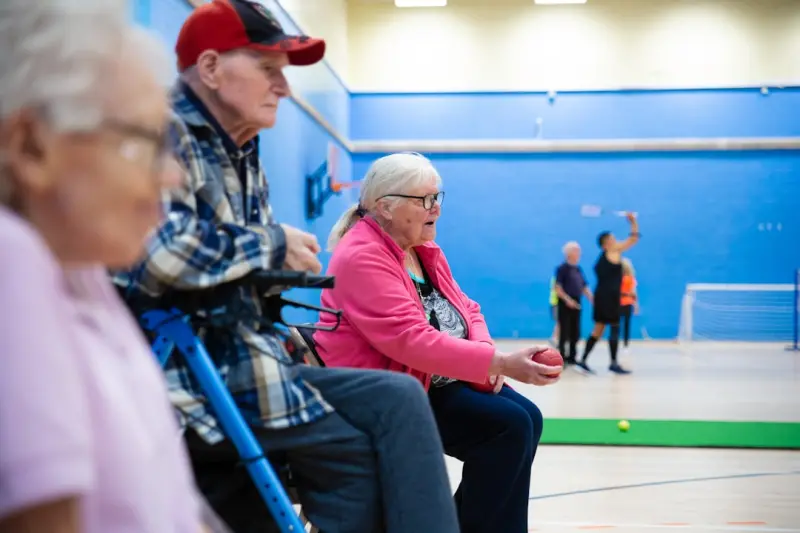
Reimagining Retirement: Intergenerational Skill Swaps for Senior Health
A fresh look at senior health: intergenerational skill swaps blend teaching, tech, and community to ... Read More

The Healing Power of Shared Music for Senior Wellness
Music isn’t just background noise—it’s a potent health tool for seniors. In this post, Becky P... Read More

Why Curiosity and Community Are the New Anti‑Aging Prescription for Seniors
Seniors can enhance brain health, immunity, and overall wellbeing by pairing playful curiosity with ... Read More
Top Posts

Designing Workspaces to Defeat Prediabetes
Discover how the physical and digital design of your workplace impacts prediabetes risk and get actionable steps— from lighting upgrades to active seating and...Read More

When the Clock Won’t Stop Ticking: Turning Insomnia into a Nighttime Advantage
Learn how to reframe sleeplessness, craft a sensory sanctuary, use breathwork, and leverage data‑driven rituals to turn insomnia into a nightly advantage for ...Read More
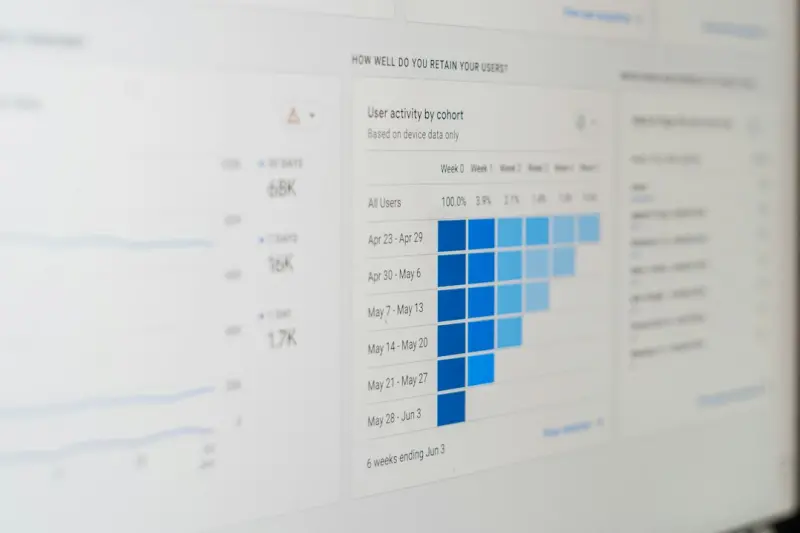
Rewriting the Cancer Narrative: Data, Design, and Community Empowerment
A fresh look at cancer care that blends narrative medicine, data personalization, therapeutic design, and micro‑community experiences to empower patients and ...Read More
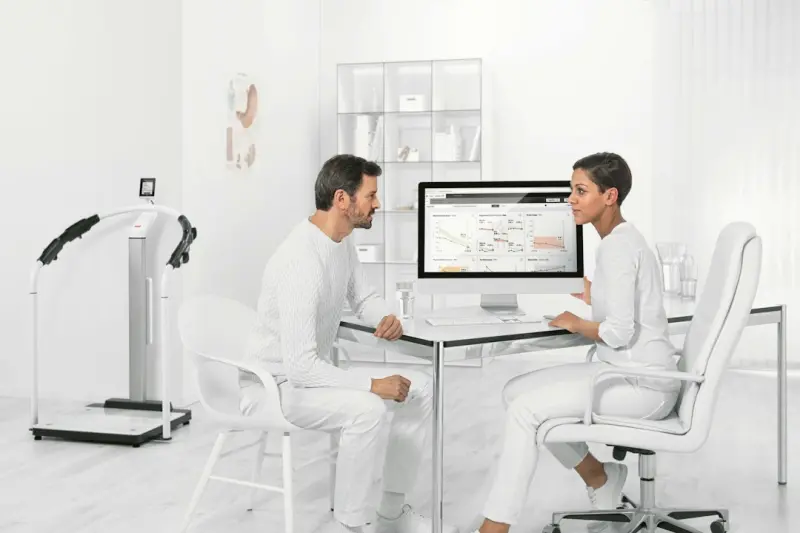
Beyond the Clinic: How AI and Motion Capture are Redefining Physiotherapy
The post examines how artificial intelligence, motion‑capture, virtual reality, and wearable sensors are reshaping physiotherapy, offering objective data, eng...Read More
0 Comments
Post Comment
You will need to Login or Register to comment on this post!