
Why Physiotherapy Needs a Digital Upgrade
When I first walked into a traditional physiotherapy clinic, the scent of fresh towels and the rhythmic clack of exercise balls felt reassuringly familiar. Yet, as a lifelong tinkerer who’s spent years watching SaaS platforms turn static processes into kinetic growth engines, I kept asking myself: What would happen if we applied the same relentless iteration mindset to rehab? The answer is simple—physiotherapy is on the brink of a digital renaissance, and the tools to get there are already in our hands.
The Pain Point: One‑Size‑Fits‑All Protocols
Most patients still receive a cookie‑cutter set of exercises based on the therapist’s best guess and a handful of follow‑up visits. While that model worked in a pre‑Internet world, it fails on three critical fronts:
- Adherence—Studies show that up to 70% of prescribed home exercises are abandoned within weeks.
- Data Gaps—Therapists rely on self‑reported pain scores that are subjective and often inaccurate.
- Scalability—A clinic can only see so many patients per day, limiting access for those who need care the most.
In SaaS terms, this is a classic case of a high churn, low insight product. The solution? Turn physiotherapy into a data‑rich, continuously optimized service.
Enter the Digital Twin: A Real‑Time Model of the Body
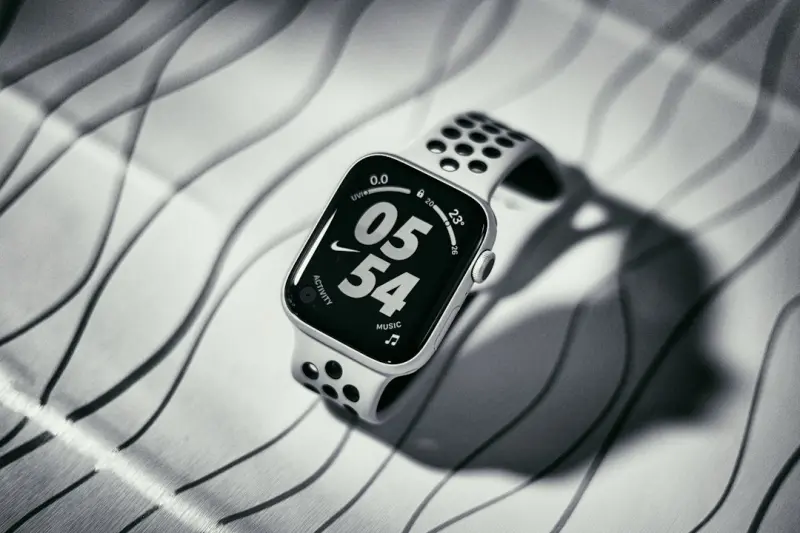
Imagine having a virtual replica of a patient’s musculoskeletal system that updates every time they take a step, stretch a hamstring, or sit at a desk. That’s the promise of a digital twin for physiotherapy. By fusing wearable sensor streams with AI‑driven biomechanics, therapists can watch a live simulation of joint load, muscle activation, and range of motion—right from their laptop.
In practice, a patient wears a lightweight, Bluetooth‑enabled sensor suite (think smart socks, a chest strap, and an inertial wrist band). The data flows into a cloud platform where machine‑learning algorithms translate raw motion into actionable insights:
- Detecting compensatory patterns before they become injuries.
- Quantifying load on a healing rotator cuff in real time.
- Predicting when a patient is ready to progress to the next exercise tier.
This isn’t speculative; it’s the same technology that powers smart sensor frameworks for chronic disease management. The only difference is the focus: movement health instead of metabolic health.
AI‑Guided Exercise Prescription: From Static Sheets to Adaptive Playbooks
Traditional exercise sheets are static PDFs that can’t adapt to a patient’s day‑to‑day variability. By contrast, an AI‑driven prescription behaves like a recommendation engine on a streaming platform. It constantly asks: “What did the patient just achieve? How did they feel? What should come next?” The system then curates a micro‑session that fits into a 5‑minute coffee break or a 30‑minute post‑work wind‑down.
One of the biggest hurdles in this approach is avoiding over‑automation. The therapist remains the ultimate decision maker, but the AI serves as a data‑backed co‑pilot. For example, if the model detects a sudden dip in hip extension during a squat, it can automatically suggest a mobility drill and flag the therapist for a quick check‑in.
Gamification and Engagement: Turning Rehab into a Habit Loop
We know from behavioral science that instant feedback and clear progress markers are powerful habit‑forming levers. By overlaying a points system, achievement badges, and leaderboards onto the rehab app, patients start to see their exercises as quests rather than chores.
Consider a scenario where a patient earns “Stability Ninja” points for maintaining balance on a wobble board for a full minute. The app then unlocks a new video tutorial, reinforcing the dopamine loop that keeps them coming back. The key is to keep the gamified elements subtle—too much can feel like a children’s game and erode credibility.
Remote Supervision Without Losing the Human Touch
Telehealth exploded as a necessity, but many clinicians worry that virtual sessions dilute the therapeutic relationship. The digital twin and AI stack actually deepen that connection. Therapists receive a concise “session health report” before the video call, highlighting any red flags and celebrating wins. This prep time transforms a generic check‑in into a focused, data‑rich conversation.
Moreover, asynchronous video analysis lets patients upload short clips of themselves performing a movement. The platform runs a quick AI scan, returns a visual heatmap of muscle activation, and suggests micro‑adjustments—all before the therapist even logs in.
Integrating Brain Fitness: The Missing Link
Physical recovery isn’t just about muscles and joints; it’s also a neurological process. The brain rewires itself in response to movement, a phenomenon known as neuroplasticity. By pairing physiotherapy with a targeted brain fitness routine, we accelerate this rewiring.
Simple cognitive drills—like dual‑task walking where patients count backward while stepping over obstacles—stimulate the prefrontal cortex and improve proprioception. When the AI platform recognizes that a patient’s reaction times are improving, it can safely increase the complexity of balance challenges, creating a virtuous loop between mind and body.
Data Privacy and Ethical Considerations
Every digital health initiative must grapple with privacy. The physiotherapy stack adheres to a “privacy‑by‑design” philosophy:
- All sensor data is encrypted at rest and in transit.
- Patients own their raw data and can export it at any time.
- AI models are transparent; therapists receive an explanation of why a recommendation was made.
By building trust from day one, we avoid the pitfalls that have plagued other health‑tech rollouts and ensure patients feel safe sharing intimate movement data.
Business Implications: Turning Rehab Into a Scalable Service
From a SaaS perspective, the digital physiotherapy platform unlocks three revenue levers:
- Subscription Tiers—Basic plans for home exercises, premium tiers for AI‑enhanced monitoring, and enterprise licenses for clinics.
- Data‑Driven Partnerships—Insights can be anonymized and sold to research institutions or equipment manufacturers looking to understand real‑world movement patterns.
- Outcome‑Based Pricing—Clinics can shift from fee‑for‑service to value‑based contracts, getting paid based on measurable improvements in range of motion or pain scores.
This model mirrors the evolution of other health SaaS verticals, where data, continuous engagement, and outcome tracking become the core value proposition.
Getting Started: A Pragmatic Roadmap for Clinics
For therapists who are curious but cautious, here’s a low‑risk rollout plan:
- Pilot a Wearable Cohort—Select 20 patients with chronic lower‑back pain and provide them with a basic sensor kit.
- Integrate an AI Dashboard—Use an off‑the‑shelf analytics platform that can ingest sensor data and surface simple metrics (e.g., daily step count, squat depth).
- Introduce Micro‑Gamification—Add a points system for daily adherence and celebrate milestones in the clinic’s newsletter.
- Gather Feedback—Run a 90‑day satisfaction survey and adjust the workflow based on therapist and patient insights.
- Scale Gradually—Expand to other injury types, add brain‑fitness modules, and eventually migrate to a fully integrated AI prescription engine.
This incremental approach minimizes disruption while allowing the clinic to measure ROI in real time.
The Future: A Fully Closed Loop of Healing
When the digital twin, AI, gamification, and brain fitness converge, physiotherapy becomes a closed‑loop system. Data flows from the patient to the platform, informs the therapist, triggers adaptive prescriptions, and feeds back into the patient’s daily routine—all without a single “lost” exercise sheet.
In that future, a patient recovering from an ACL reconstruction might never set foot in a clinic again, yet they’ll achieve a faster, safer return to sport thanks to continuous, personalized guidance. Therapists will spend less time on paperwork and more time on high‑impact, empathetic coaching—exactly the kind of work that drew them to the profession in the first place.
Conclusion: Embrace the Upgrade or Get Left Behind
The physiotherapy landscape is poised for a seismic shift. The tools—wearables, AI, cloud analytics—are already mature enough for early adoption. What remains is the willingness of clinicians to treat their practice like a product: iterate, measure, and improve. If we can bring the same vigor that we apply to building SaaS platforms into the rehab room, we’ll not only boost outcomes but also redefine what it means to heal in the digital age.

Craig Brett is a freelancer with a passion for the outdoors. His love for nature inspires his work, bringing authentic and engaging perspectives to projects related to outdoor activities, adventure, and environmental topics.
Related Posts
Why Virtual Reality Is the Next Frontier in Physiotherapy
Virtual reality is more than a novelty; it’s a game‑changing tool that boosts engagement, provid... Read More
Fascia First: Unlocking Hidden Mobility for Desk‑Bound Professionals
Fascia, the connective tissue web, often gets ignored in workplace wellness. This article explains i... Read More

The Next Wave of Physiotherapy: How Holistic Care Is Redefining Recovery
Explore how modern physiotherapy merges holistic health, wearable tech, and personalized movement pl... Read More
Top Posts

Finding Freedom: A Personal Roadmap to Quit Vaping Without Losing Your Spark
A heartfelt guide that blends breathwork, sensory substitutes, nutrition, and community support to help you quit vaping while rediscovering true calm and vitali...Read More

Health Insurance: The Unsung Hero of Employee Well‑Being
A deep dive into how health insurance, when treated as a strategic wellness partner, can reduce burnout, improve mental health, and become a growth engine for c...Read More

Unlocking Sustainable Testosterone: Lifestyle Strategies Men Can Actually Stick To
A comprehensive guide explores natural, everyday tactics—nutrition, movement, sunlight, stress reduction, and sleep—that help men sustain healthy testostero...Read More

Unlocking Metabolic Flexibility: A Sustainable Path to Fat Loss
Learn a practical, science‑backed approach to metabolic flexibility that rewires your body’s fuel system, making sustainable fat loss natural and effortless...Read More
0 Comments
Post Comment
You will need to Login or Register to comment on this post!