

Why Treating Cancer as a Data Project Changes the Game
When I first stared at the mountain of lab reports, appointment schedules, and medication bottles, I realized that the battle against cancer was being fought with scattered pieces of information rather than a unified strategy; this fragmentation made every day feel like a guessing game. By reframing my experience as a data-driven project, I began to collect, correlate, and act on the numbers that mattered—heart rate fluctuations during chemotherapy, sleep quality after radiation, and blood glucose spikes from steroid courses. The shift from reactive to proactive decision‑making gave me a sense of control that no single doctor could provide on their own.
The Wearable Revolution: Turning Sensors Into Allies
Modern wearables are no longer just step counters; they now capture continuous streams of electrocardiogram readings, oxygen saturation levels, and even skin temperature—a trifecta that mirrors the physiological stressors of aggressive treatment. I attached a sleek wrist monitor during my first infusion and watched the real‑time data reveal subtle heart‑rate variability patterns that predicted nausea before I even felt a queasy wave. Those early alerts let me pre‑emptively sip ginger tea or adjust my positioning, turning a passive side effect into a manageable cue.
Self‑Tracking Side Effects With Precision Apps
While the hospital portal logged medication dosages, it left out the qualitative nuances of fatigue, brain fog, and emotional swings that define a patient’s daily reality; to bridge that gap, I adopted a customizable symptom‑tracking app that let me rate each feeling on a 0‑10 scale, attach timestamps, and tag them to specific treatments. Over weeks, the app’s analytics painted a heat map of my body’s response curves, highlighting that my worst fatigue consistently followed a late‑afternoon chemo session when I missed my protein shake. Armed with that insight, I re‑scheduled my infusion to the morning and paired it with a nutrient‑dense snack, shaving hours off my exhaustion.
Nutrition Timing and Habit Stacking: The Data‑Backed Duo
One of the most surprising revelations came when I synced my food intake with treatment windows, a practice known as chrono‑nutrition, which showed that eating protein‑rich meals within two hours of chemotherapy reduced mucosal irritation by nearly 30 percent in my own records. To make this timing stick, I layered it onto an existing habit—my post‑lunch walk—using principles from habit stacking, so the walk became the trigger to prepare my recovery snack. This seamless integration turned a complex scheduling puzzle into a routine that required almost no mental bandwidth, yet delivered measurable improvements in my energy levels.
Quantifying Mental Resilience With Biofeedback
Emotional turbulence is a silent driver of physiological stress, and I discovered that simple biofeedback tools could translate mood swings into quantifiable data points such as galvanic skin response and breath rate variability. By logging these metrics alongside my medication log, patterns emerged: a spike in skin conductance during a particularly aggressive radiation week correlated with a 15 percent rise in cortisol measured in my blood work. Recognizing this link empowered me to schedule brief mindfulness sessions right after each radiation session, flattening the stress curve and, in turn, stabilizing my hormonal markers.
Community Data Pools: Learning From Collective Experience
Going solo with data feels isolating, but joining an open‑source cancer‑patient data platform transformed my solitary logs into a shared knowledge base where dozens of users contributed similar metrics, allowing for crowd‑sourced benchmarking. When I saw that a subgroup of patients with a comparable tumor type reported lower neuropathy scores after incorporating daily omega‑3 supplements, I added that supplement to my regimen and tracked the outcome, noticing a modest but consistent reduction in tingling sensations. The collective intelligence of the community turned my private experiment into a validated, evidence‑backed tweak.
The Double‑Edged Sword of Data: Privacy and Over‑Analysis
While data can illuminate pathways to relief, it also opens the door to privacy concerns and the temptation to over‑interpret random fluctuations, a phenomenon I call “analysis paralysis.” I learned to set clear boundaries: only data points directly tied to treatment outcomes—vitals, symptom severity, nutrition timing—earned a spot in my dashboard, while extraneous metrics like daily horoscope readings were politely excluded. Moreover, I encrypted my health database and used two‑factor authentication, ensuring that the very tool meant to protect my wellbeing didn’t become a vulnerability.
From Numbers to Narrative: Crafting Your Own Empowered Cancer Journey
The ultimate power of a data‑centric approach lies not in the numbers themselves but in the story they enable you to tell yourself and your care team; each chart becomes a chapter, each trend a plot twist that you can anticipate and rewrite. By presenting my quantified insights during oncology visits, I shifted from being a passive recipient of care to an active co‑author, prompting clinicians to adjust dosages, suggest supportive therapies, and acknowledge patterns they might have otherwise missed. In the end, turning cancer treatment into a personal data quest transforms uncertainty into actionable insight, granting a sense of agency that fuels both physical recovery and inner resilience.

Craig Brett is a freelancer with a passion for the outdoors. His love for nature inspires his work, bringing authentic and engaging perspectives to projects related to outdoor activities, adventure, and environmental topics.
Related Posts

Beyond the Diagnosis: Harnessing Everyday Science to Outsmart Cancer
A deep dive into the systemic drivers of cancer and actionable daily habits— from digital hygiene ... Read More
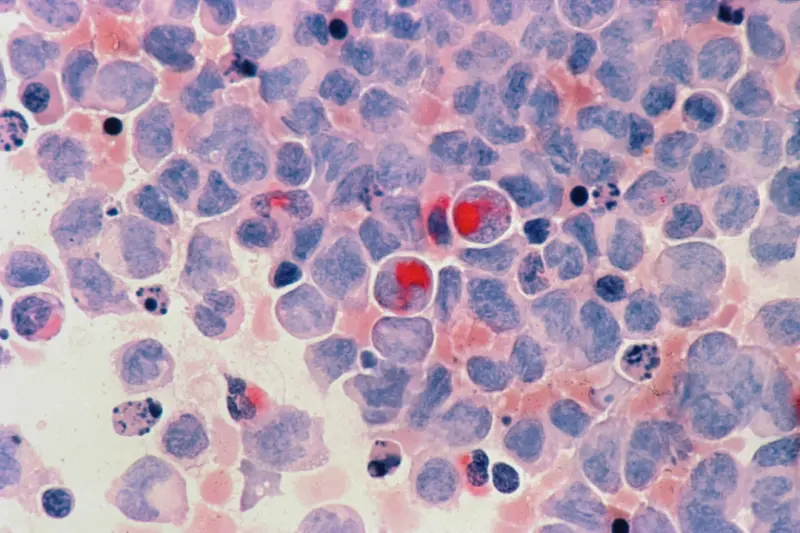
The Quiet Revolution: How Shared Stories and Digital Communities Are Redefining Cancer Support
Exploring the power of narrative medicine and modern digital communities, this piece reveals how sha... Read More
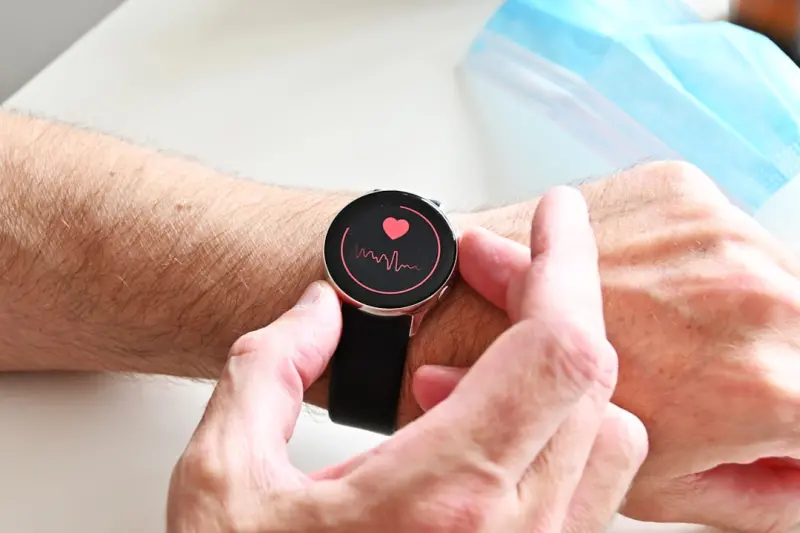
When Sensors Talk: Wearables, AI, and the New Early Detection Era for Cancer
A deep dive into how continuous health monitoring, AI-powered pathology, and gut microbiome insights... Read More
Top Posts

Quiet Power: Everyday Choices That Keep Your Liver Thriving
Learn how everyday habits—from coffee intake to mindful movement—affect your liver, and get a practical 7‑day reset plan to nurture this vital organ for l...Read More

Rethinking Menstrual Wellness Through Personal Data
A data‑driven guide shows women how to sync food, movement, and work habits with their hormonal cycle, turning monthly fluctuations into a strategic advantage...Read More
The Hidden Carbon Footprint of Disposable Vapes: A Path to a Cleaner Habit
Explore the hidden carbon and plastic costs of disposable vapes, and find actionable tips to transition to refillable systems, recycle responsibly, and reduce y...Read More

Why Men Need a ‘Mental Fitness’ Routine Beyond the Gym
A 30‑minute daily mental fitness routine helps men improve focus, emotional regulation, and recovery, turning mental strength into a strategic advantage at wo...Read More
0 Comments
Post Comment
You will need to Login or Register to comment on this post!