
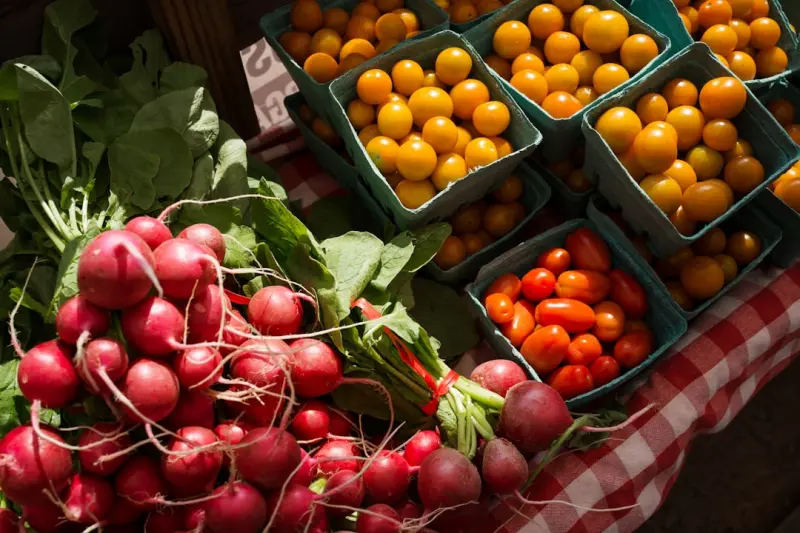
Why the Calendar Can Be Your Secret Weapon Against Prediabetes
When I first learned I was hovering in the prediabetic range, my mind raced to the usual suspects: strict diets, endless calorie counting, and the looming threat of medication. What I didn’t expect was the quiet power of the seasons. By simply aligning what lands on my plate with the natural rhythm of the year, I discovered a subtle but profound influence on my blood‑sugar stability. This isn’t about a trendy “seasonal diet” fad; it’s about harnessing the biochemical cues that nature offers and letting them work in concert with our bodies.
Understanding the Seasonal Signal
Plants produce a cocktail of phytochemicals that shift with the sun’s angle, temperature, and daylight length. These compounds—flavonoids, anthocyanins, and polyphenols—do more than add color to our plates. They interact with our gut microbiota, modulate inflammation, and can even affect insulin sensitivity. When we eat foods that are naturally in season, we’re essentially speaking the same language our bodies have evolved to understand.
Seasonal Swaps That Speak to Your Metabolism
Below is a practical, month‑by‑month guide that pairs nutrient‑dense, season‑aligned foods with simple preparation ideas. The goal isn’t to overhaul your life overnight but to make incremental swaps that, over time, become second nature.
- Winter (December‑February): Root vegetables like carrots, parsnips, and turnips are rich in soluble fiber, which slows glucose absorption. Roast them with a drizzle of olive oil and a sprinkle of rosemary for a heart‑warming side.
- Spring (March‑May): Fresh greens such as spinach, arugula, and young kale burst with chlorophyll and magnesium, a mineral that helps insulin receptors function optimally. Toss a spring salad with lemon‑zest vinaigrette and a handful of toasted pumpkin seeds.
- Summer (June‑August): Berries, tomatoes, and cucumbers reach peak antioxidant levels. Blend a chilled tomato‑cucumber gazpacho, topping it with a spoonful of crushed berries for a sweet‑savory twist that keeps cravings at bay.
- Fall (September‑November): Apples, pears, and squash provide both soluble fiber and a gentle dose of natural sweetness. Try a baked acorn squash stuffed with quinoa, diced apples, and a dash of cinnamon.
Each of these swaps is deliberately low in refined carbs and high in fiber, two pillars of prediabetes management. But the magic truly unfolds when you pair these foods with an awareness of your gut’s role.
The Microbiome Connection
Our gut microbes thrive on diversity. Seasonal eating naturally diversifies the substrate they receive, fostering a more resilient microbiome. A robust microbiome, in turn, produces short‑chain fatty acids (SCFAs) that improve insulin sensitivity and reduce systemic inflammation. For a deeper dive into this relationship, check out Gut Microbiome Mastery: The Hidden Engine Behind Focus and Resilience.
How to Track, Not Obsess
One of the biggest pitfalls for anyone with prediabetes is falling into a data‑overload loop: obsessively logging every bite, every step, every glucose spike. While data can be empowering, it can also become a source of stress that spikes cortisol—and cortisol can raise blood sugar. Instead of constant logging, adopt a “pulse check” approach:
- Choose one day per week to record your meals and a fasting glucose reading.
- Notice patterns—do you feel steadier on days when you ate more seasonal produce?
- Use those insights to adjust, not to punish yourself.
This method aligns with the philosophy in Turning Glucose Numbers into Your Personal Narrative, where numbers become a story rather than a scoreboard.
Mindful Cooking: Turning the Kitchen into a Lab
When you treat cooking as an experiment, you give yourself permission to play, test, and iterate. Here are three “kitchen lab” ideas that reinforce seasonal eating while subtly supporting blood‑sugar control:
- Flavor Pairing Experiments: Combine a seasonal fruit with a protein source (e.g., pear slices with a dollop of ricotta). Observe how the pairing affects satiety and cravings.
- Texture Trials: Swap a starchy side (like white rice) for a fiber‑rich alternative (cauliflower rice or farro) during the same season. Notice changes in post‑meal energy levels.
- Temperature Play: Serve the same vegetable both hot (roasted) and cold (raw) within a week to see how temperature influences digestion speed.
Documenting these experiments doesn’t have to be a spreadsheet; a simple notebook works. Over weeks, you’ll build a personal cookbook that’s tuned to your metabolic responses.
Movement That Mirrors Nature
Seasonal eating pairs beautifully with seasonal movement. In winter, prioritize gentle indoor activities like yoga or resistance band circuits that keep muscles active without overtaxing the body. As days lengthen in spring, add brisk walks or light jogging. Summer invites swimming or bike rides, while fall can be a time for hiking amidst changing foliage. This rhythmic approach supports glucose uptake by muscles and reduces the temptation to stay sedentary—a known risk factor for prediabetes.
Leveraging Community Support
Social accountability amplifies any lifestyle change. Find or create a “Seasonal Swap Circle” with friends, coworkers, or a local community garden. Share recipes, swap produce, and celebrate small wins. The collective energy not only makes the journey enjoyable but also reinforces commitment.
When Insurance Meets Prevention
Many health plans cover nutrition counseling, but it’s often under‑utilized. Schedule a session with a registered dietitian and ask them to focus on seasonal strategies. This aligns with the insights from The Untapped Power of Health Insurance for Preventive Wellness, reminding us that we can tap existing resources without extra cost.
Addressing Common Concerns
“I don’t have access to fresh seasonal produce.” Look for frozen options that are flash‑frozen at peak ripeness. They retain most of the phytochemicals and fiber. Farmers’ markets often have a “night‑before” section where you can pre‑order for pickup.
“I’m worried about missing out on favorite non‑seasonal foods.” The goal isn’t elimination but moderation. Enjoy a favorite treat once a month and pair it with a fiber‑rich side to blunt the glucose spike.
“Will this actually reverse prediabetes?” While individual results vary, studies show that even modest reductions in HbA1c (0.5–1.0%) can shift a person out of the prediabetic range. Seasonal eating, when combined with movement and stress management, contributes to those numbers.
Putting It All Together: A 30‑Day Blueprint
Use the following checklist to integrate seasonal swaps, movement, and community support:
- Identify your current season and list three staple produce items you’ll incorporate each week.
- Plan one “kitchen lab” experiment per week and record observations.
- Schedule two movement sessions that reflect the season’s outdoor opportunities.
- Join or start a Seasonal Swap Circle; share a recipe and a progress update every Sunday.
- Book a nutrition counseling appointment, mentioning your focus on seasonal nutrition.
- Pick one day each week for a “pulse check”—log meals and fasting glucose.
At the end of the month, review your log. Celebrate any improvement in glucose stability, energy levels, or mood. Then repeat, adjusting the produce list as the season shifts.
Final Thoughts
Prediabetes often feels like a battle against an invisible foe. By aligning our plates with the natural cadence of the year, we invite a silent ally—nature itself—into the fight. Seasonal eating doesn’t demand perfection; it asks for curiosity, patience, and a willingness to let the calendar guide us toward steadier blood sugars, a happier gut, and a more vibrant life.

Tammy French is a Montessori Teaching Assistant and freelance writer passionate about education, creativity, and inspiring lifelong learning through engaging content.
Related Posts

Turning Prediabetes Into a Launchpad for Whole‑Body Resilience
A fresh look at prediabetes shows how tiny habit shifts, supportive communities, and mindful movemen... Read More

The Connection Between Prediabetes and Preventive Care: A Comprehensive Approach to Wellbeing
Prediabetes is a condition where blood sugar levels are higher than normal but not high enough to be... Read More
Prediabetes as a Strategic KPI: Turning Early Risk into Competitive Advantage
Treating prediabetes as a strategic KPI transforms it from a health warning into an actionable perfo... Read More
Top Posts

Nicotine’s Double‑Edged Sword: Boosting Focus Without Burning Out
A deep dive into nicotine’s cognitive effects, weighing its productivity benefits against health risks, and offering practical guidelines for professionals se...Read More

Micro‑Movement Mastery: Turning Everyday Moments into Health Wins
A simple, science‑backed approach shows how integrating micro‑exercises into daily routines can transform stamina, posture, and overall well‑being—no sp...Read More
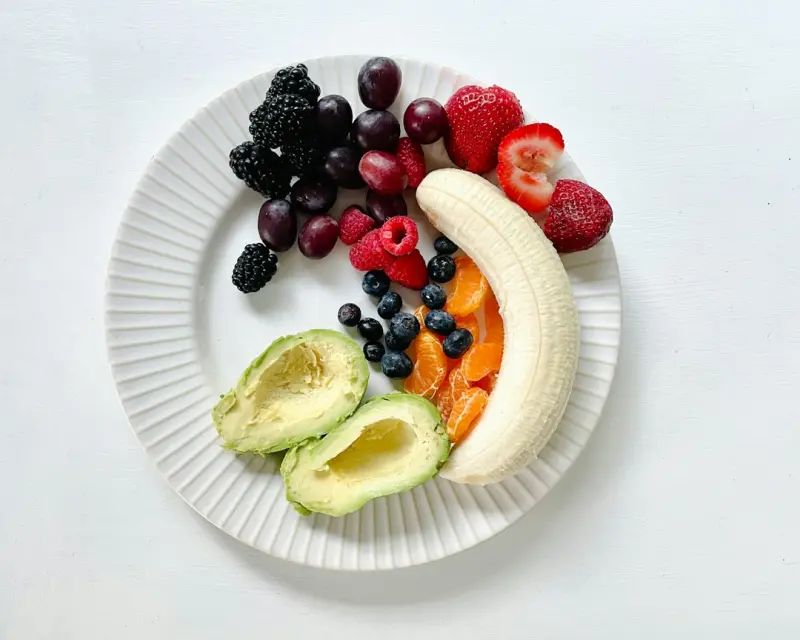
Seasonal Food Synergy: Aligning Your Plate with Nature’s Calendar for Better Health
Eating with the seasons provides a natural boost to immunity, mood, and energy. Learn practical tips, nutrient guides, and the science behind seasonal food syne...Read More

The Gentle Power of Infant Massage: Boosting Brain, Digestion, and Bonding
A deep dive into the science and practice of infant massage, revealing its impact on neural growth, digestive comfort, and emotional connection, with easy steps...Read More
0 Comments
Post Comment
You will need to Login or Register to comment on this post!